Tasmania Closes Loophole to Help Abuse Survivors Seek Justice
Tasmania will introduce new laws allowing abuse survivors to hold institutions accountable, even when abusers weren't formal employees. The change closes a legal gap that prevented survivors from seeking compensation from churches and other organizations.
Survivors of child sexual abuse in Tasmania just gained a powerful new path to justice.
The state government announced it will introduce legislation closing a loophole that let some organizations avoid responsibility for abuse committed by individuals who weren't formal employees, like priests. The new vicarious liability laws mean institutions can now be held accountable regardless of employment status.
The loophole emerged from a 2024 High Court decision that determined priests weren't technically employees of churches. That ruling devastated survivors who were mid-lawsuit or planning legal action, suddenly finding their cases blocked by a technicality.
Attorney General Guy Barnett said the legislation fixes that problem and applies to "institutions of any color or persuasion" where abuse occurred. The laws will work retrospectively, giving survivors whose cases were derailed a second chance at accountability.
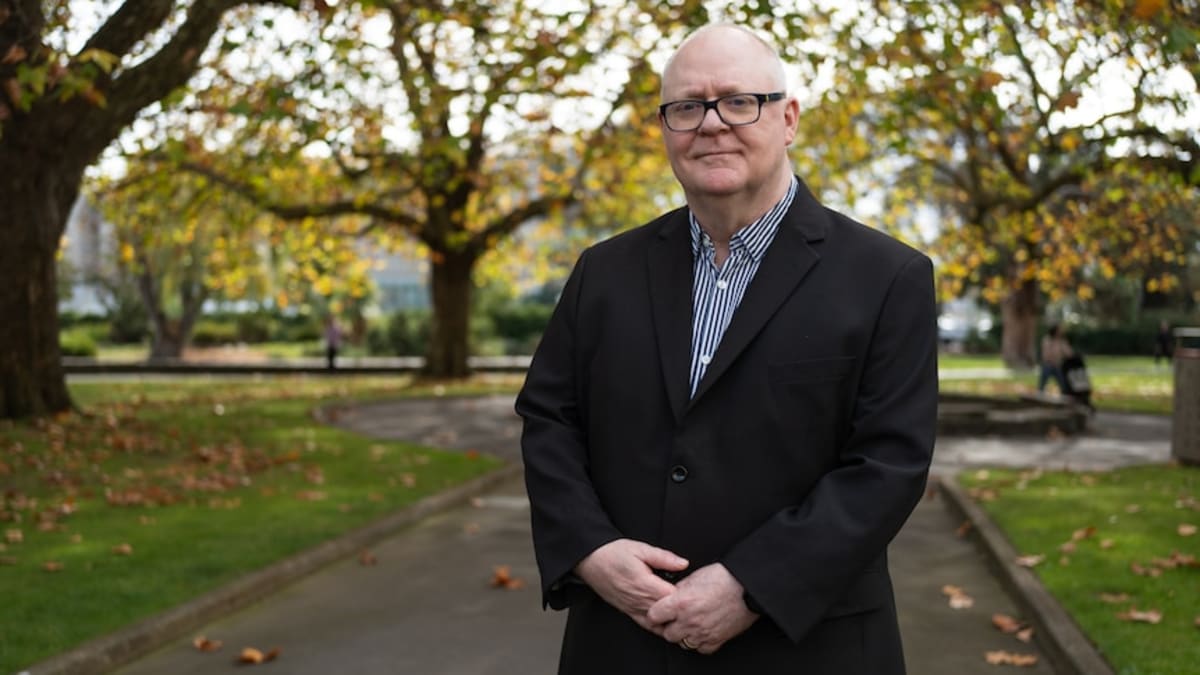
Steve Fisher, a survivor, advocate, and CEO of Beyond Abuse, called the reform essential. "It needed to happen so people who have been abused by institutions can finally get the compensation they deserve," he said.
Why This Inspires
What makes this legislation remarkable is how it was developed. The government consulted directly with survivors throughout the drafting process, ensuring their lived experiences shaped the final law.
Fisher emphasized why that matters. "That gives you a unique insight into what abuse survivors battle with every day, and what is needed to help them have the life they were robbed of," he explained.
Tasmania joins other Australian states including Victoria in reversing the High Court decision's impact. The move creates what Fisher calls a "level playing field" where survivors can pursue the justice they've long been denied.
Draft legislation will be released for public consultation in coming weeks, with the government aiming to pass it in the second half of 2026. Fisher and other advocates will continue working to ensure the final law serves survivors effectively.
For people who've waited years or decades for acknowledgment and accountability, this represents more than legal reform—it's validation that their experiences matter and their pursuit of justice is supported.
More Images

Based on reporting by ABC Australia
This story was written by BrightWire based on verified news reports.
Spread the positivity!
Share this good news with someone who needs it