Tasmania Island Survey Finds Rare Animals Thriving
Indigenous rangers on Truwana Island discovered thriving populations of rare mammals—including threatened dunnarts and blonde echidnas—using camera traps for the first time. The find shows how traditional land management helps wildlife survive even with feral cats present.
A team of Indigenous rangers just proved that caring for land the traditional way can save species scientists thought were disappearing.
The Truwana Rangers set up 30 motion-sensor cameras across their island off Tasmania's coast, creating the first wildlife survey ever done there. When they checked the results after six months, they found half a million photos revealing something remarkable: rare small mammals are thriving despite feral cat populations that have devastated similar species elsewhere.
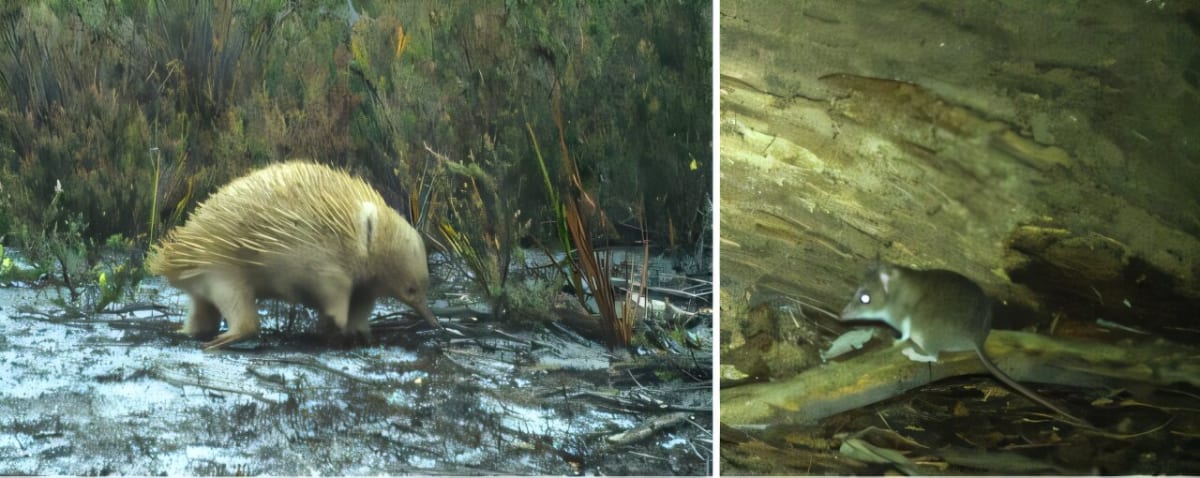
White-footed dunnarts, tiny carnivorous marsupials listed as threatened in New South Wales, appeared at six of the seven camera locations. These feisty hunters are rarely spotted even with intensive survey work in other parts of Australia. Fewer than 5,000 are believed to exist in Tasmania, making this previously unknown population a significant discovery.
The cameras also captured two rare blonde echidnas with a genetic mutation called leucism that reduces their pigment. These pale echidnas share the island with darker ones, all sporting the extra-thick fur unique to Tasmania's subspecies.
Other highlights included eastern pygmy possums, long-nosed potoroos, and Latham's snipe, a vulnerable shorebird that migrates all the way from northern Japan. Spotting the secretive snipe on camera means the island's wetlands are healthy enough to support this globe-trotting species.
The Ripple Effect
Truwana's success story started in 2005 when the island was returned to Aboriginal ownership. The community immediately began managing their country through traditional practices like cultural burning, weed control, and pest management.
Unlike nearby islands that were stripped bare during colonial times, Truwana kept most of its native vegetation. That cover gives small mammals places to hide from predators, letting them coexist even with feral cats around.
Senior Ranger Buck Brown said confirming these species with Western science partners validates what rangers have observed. Ranger Shane Hughes noted that elders told stories about these secretive animals, and seeing them survive makes the team proud of their land management work.
Dr. Elizabeth Znidersic from Charles Sturt University said working alongside the rangers fundamentally shaped the research. Their understanding of the land helped scientists interpret the camera data in more meaningful ways than standard survey methods could achieve.
Emma Spencer from WWF Australia said these results reinforce a pattern seen across Australia: where traditional owners lead land management, native species have better survival odds even facing pressures like feral animals and climate change.
The rangers say knowing these small animals live in specific landscapes motivates them to keep working hard, because the more they learn, the better they can manage for both community and country.
More Images


Based on reporting by Phys.org
This story was written by BrightWire based on verified news reports.
Spread the positivity!
Share this good news with someone who needs it