Tasmania Races to Save Native Duck Before It's Too Late
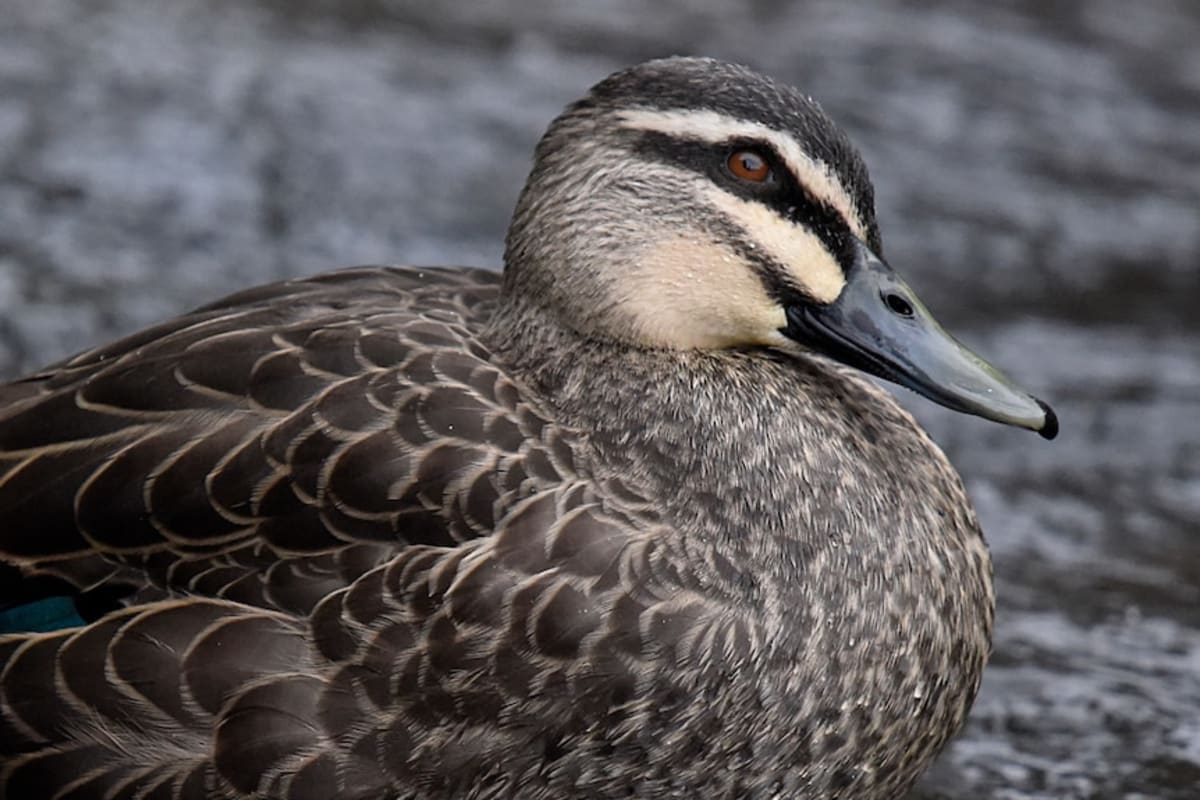
Volunteers in Tasmania are working to prevent native Pacific black ducks from disappearing like they did in New Zealand. Simple actions like not feeding ducks could save the species from extinction.
A group of dedicated Tasmanians is working to save a native duck species before it quietly vanishes forever.
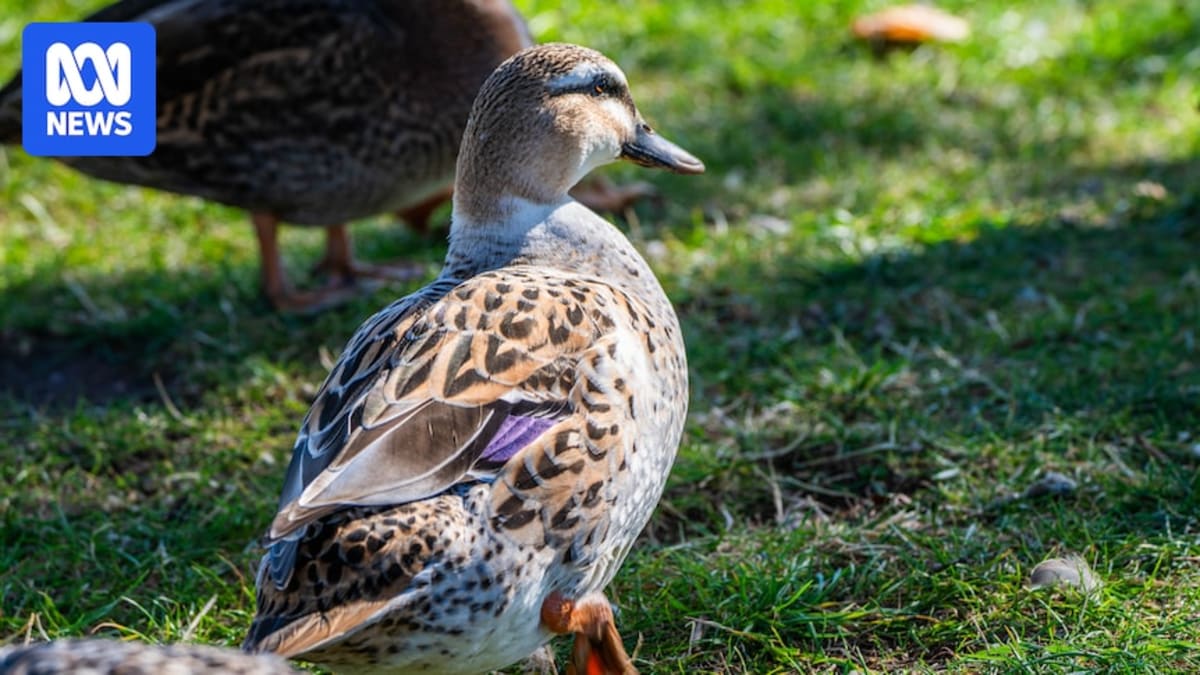
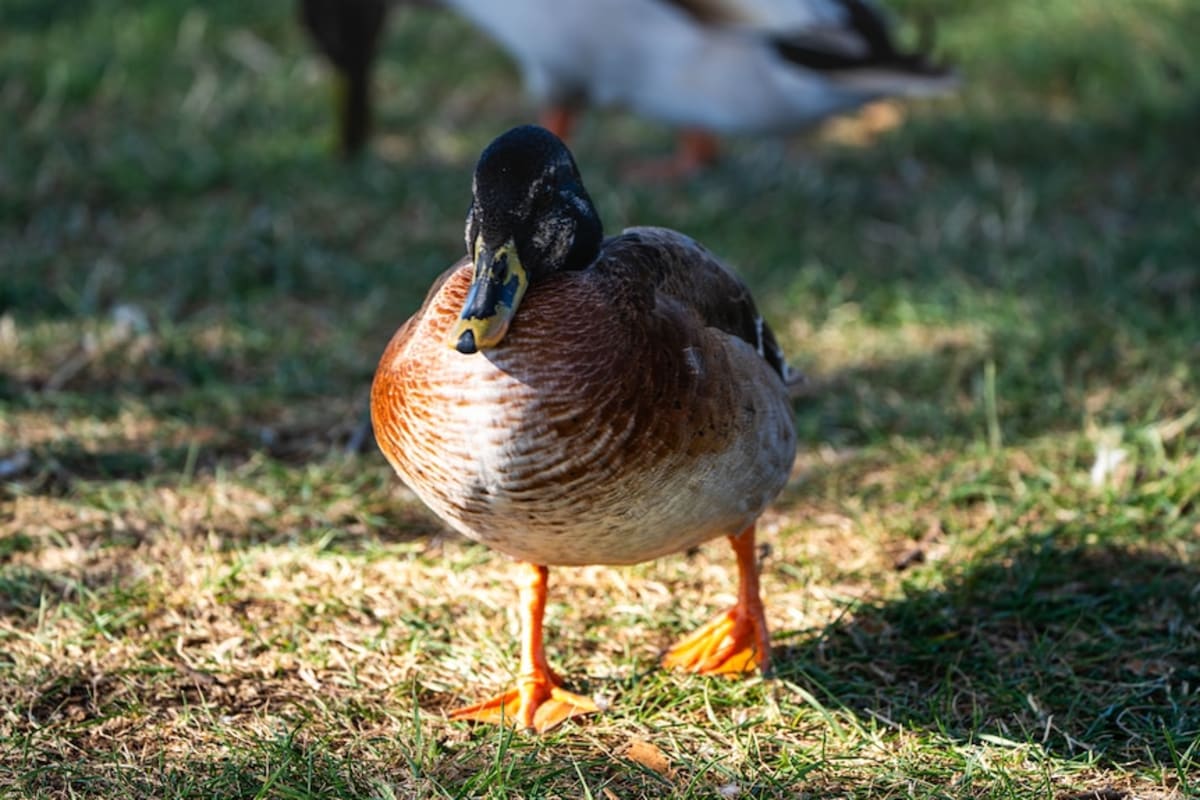
The Pacific black duck faces a surprising threat: crossbreeding with introduced domestic mallard ducks. This mixing has already wiped out the species in New Zealand, and experts warn Tasmania could be next without quick action.
"Hybrids born in one area can just slowly, or quite rapidly in some cases, completely replace the Pacific black duck," said Jason Graham from the Pacific Black Duck Conservation Group, a volunteer organization with Landcare Tasmania. The hybrid ducks inherit aggressive traits that help them outcompete native birds.
In New Zealand, mallards introduced for hunting have "effectively wiped out" native Pacific black ducks. While small pockets may still exist, they're nearly impossible to distinguish from hybrids, and reversing the damage is no longer possible.
Bird ecologist Dr. Eric Woehler confirmed Tasmania is seeing the same patterns. "There's no reason for us not to expect a similar outcome in Tasmania as what we've seen in New Zealand," he said.
But here's the good news: Tasmania still has time to act.
The Bright Side
Unlike New Zealand, Tasmania caught the problem early enough to make a difference. The solution doesn't require complex technology or massive funding. Instead, it relies on simple community actions that anyone can take.
The easiest step? Stop feeding ducks in public areas. When people feed ducks, it encourages Pacific black ducks and mallards to mingle in the same spaces, creating more opportunities for crossbreeding.
Local councils can help by removing mallard and hybrid birds from waterways before they breed with native ducks. Most of Tasmania's Pacific black ducks live in council reserves, making this approach practical and targeted.
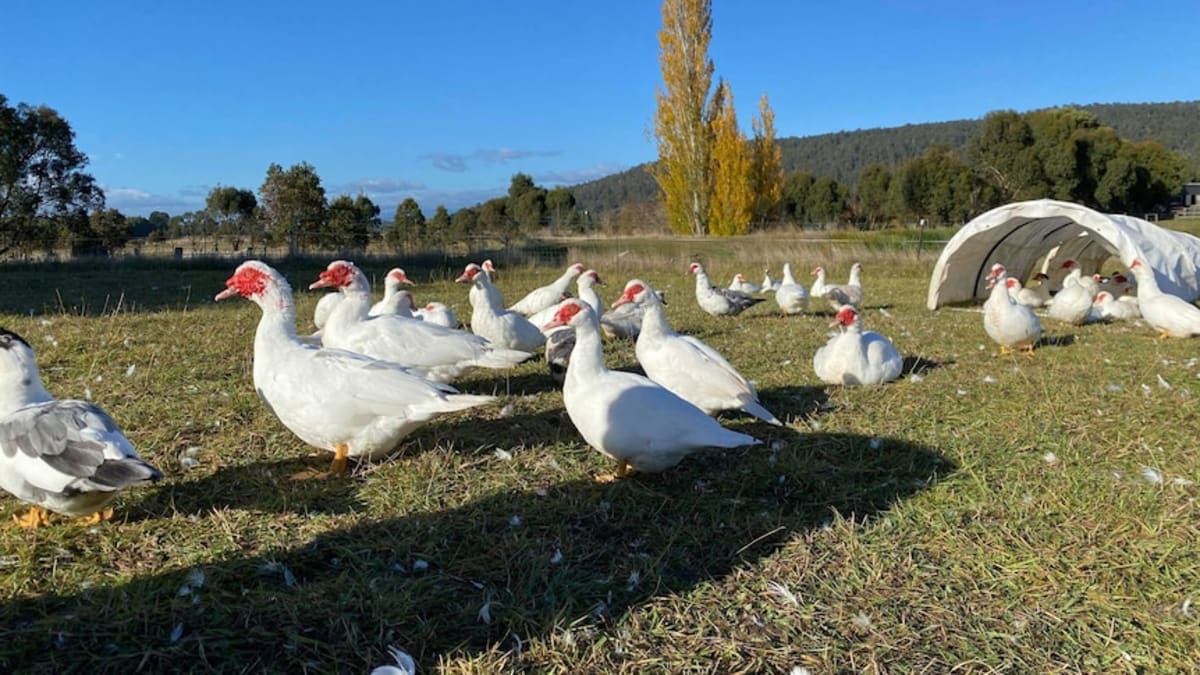
For property owners who keep ducks, switching to Muscovy ducks or guinea fowls eliminates the hybridization risk entirely. The conservation group also urges people never to release unwanted pet ducks into the wild.
Graham remains optimistic about the timeline. "If I had my way, we'd be able to sort this in the next few years, not decades away, which is pretty exciting," he said.
The key difference between Tasmania and New Zealand comes down to awareness and action happening now, before the problem crosses the point of no return.
More Images

Based on reporting by ABC Australia
This story was written by BrightWire based on verified news reports.
Spread the positivity!
Share this good news with someone who needs it
%2Ffile%2Fattachments%2F2998%2F14147038_376896.jpg)