Tasmania Restores Funding for Two Rural Health Services
Two community health services that lost state funding will now operate for another year, keeping thousands of medical appointments available in southern Tasmania. The government reversed its budget cuts just days after announcing them.
When Kerrie Duggan heard the Tasmanian state budget had cut funding for her urgent care clinic, she worried about patients like the 92-year-old woman she'd just helped keep out of the hospital. Now, those worries can wait at least another year.
The Tasmanian government reversed course this week, restoring funding for two southern health services that lost support in last week's state budget. Both the Cygnet Family Practice's urgent care service and Moreton Group's mobile GP program will receive one-year transitional funding through June 2027.
The Cygnet clinic operates three days weekly in a town 45 minutes south of Hobart, offering more than 100 appointments each week. Duggan, a nurse practitioner and co-owner, treats patients who might otherwise face long drives or emergency room visits for urgent care.
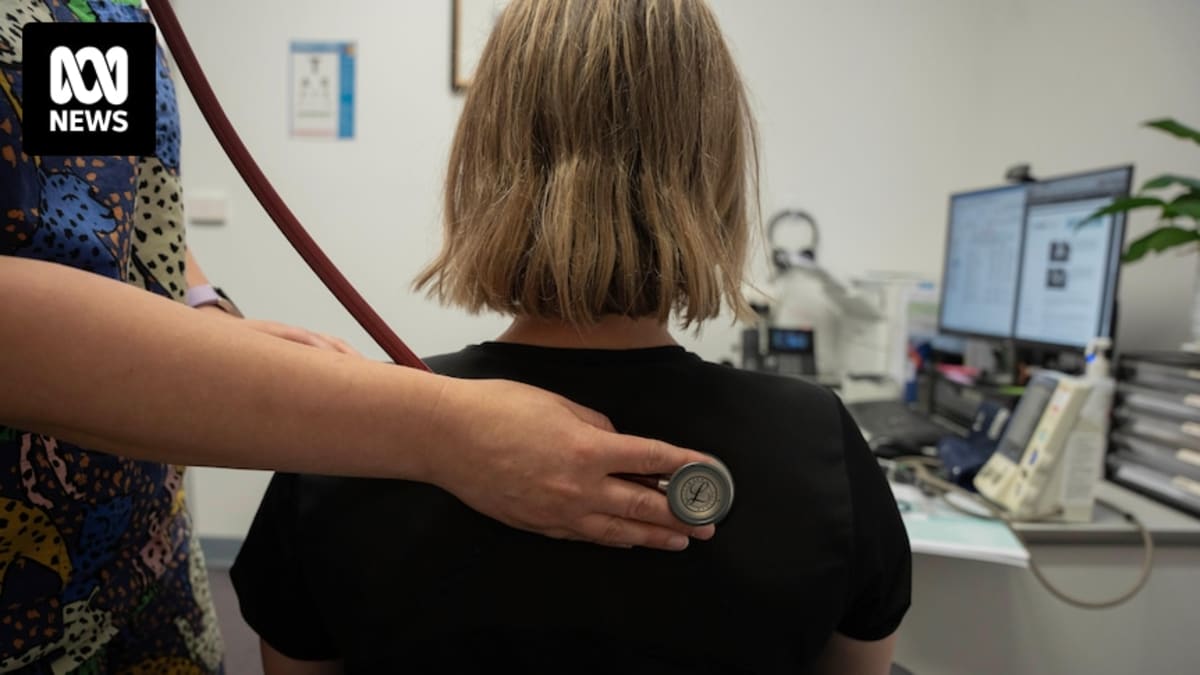
She shared how her team recently treated an elderly patient developing pneumonia at home, providing antibiotics, ordering tests, and preventing a hospital admission. "This person was able to stay home, in the comfort of their own home," Duggan said, "and had all the care that they needed to stay out of hospital."
The numbers tell a powerful story. The Cygnet service saves the state government over $1 million annually while costing just $250,000 to operate. It reduces ambulance calls and emergency department visits by treating people effectively in their own communities.
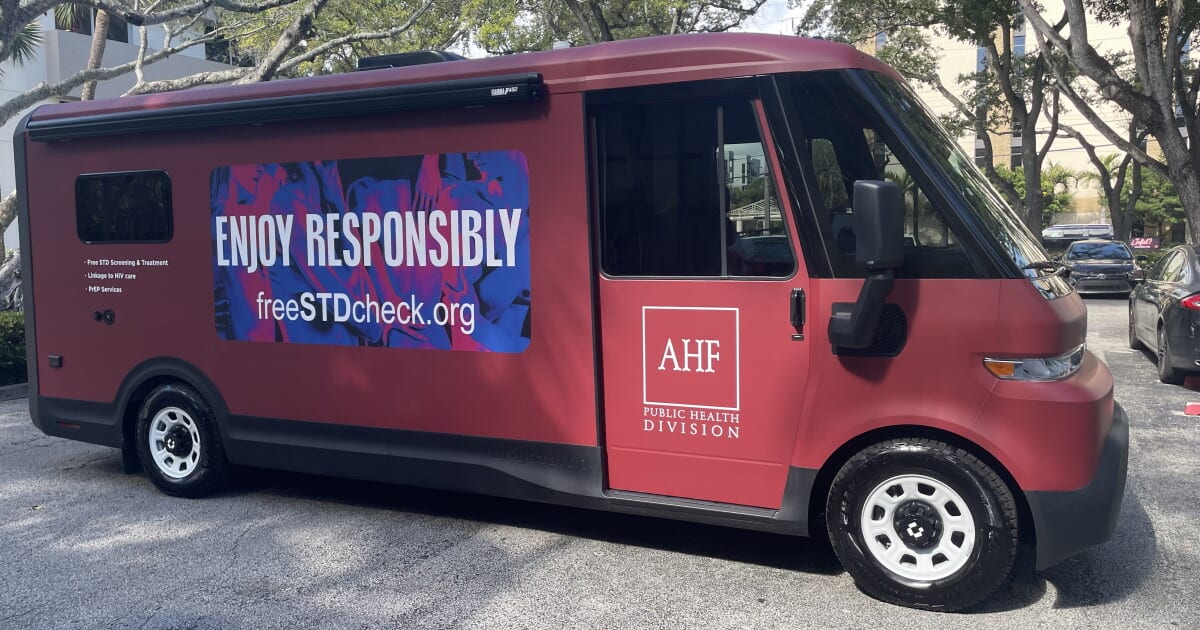
Moreton Group's mobile GP service has delivered 9,000 free appointments across regional and disadvantaged communities over two years. The program started as a 2024 Liberal Party campaign promise with $500,000 in funding for what was meant to be a trial run.
Rob Moreton thanked supporters who lobbied to keep the service running. "This is going to be transitional funding to help us transition to another model," he said, noting that the state is working with them to secure ongoing federal support.
The Ripple Effect
These services show how smart health care investments create waves of benefits. Fewer emergency visits mean hospitals can focus on critical cases. Patients avoid stressful ambulance rides and long waits. Communities stay healthier when care comes to them instead of requiring difficult journeys.
The one-year extension gives both services time to work with federal authorities on permanent funding. The state government noted that primary health care falls under federal responsibility, though both levels of government benefit when communities receive timely medical attention.
For now, southern Tasmanians can breathe easier knowing their local health lifelines will keep operating.
More Images




Based on reporting by ABC Australia
This story was written by BrightWire based on verified news reports.
Spread the positivity!
Share this good news with someone who needs it