Tasmania Town Fights Light Pollution for Stargazing
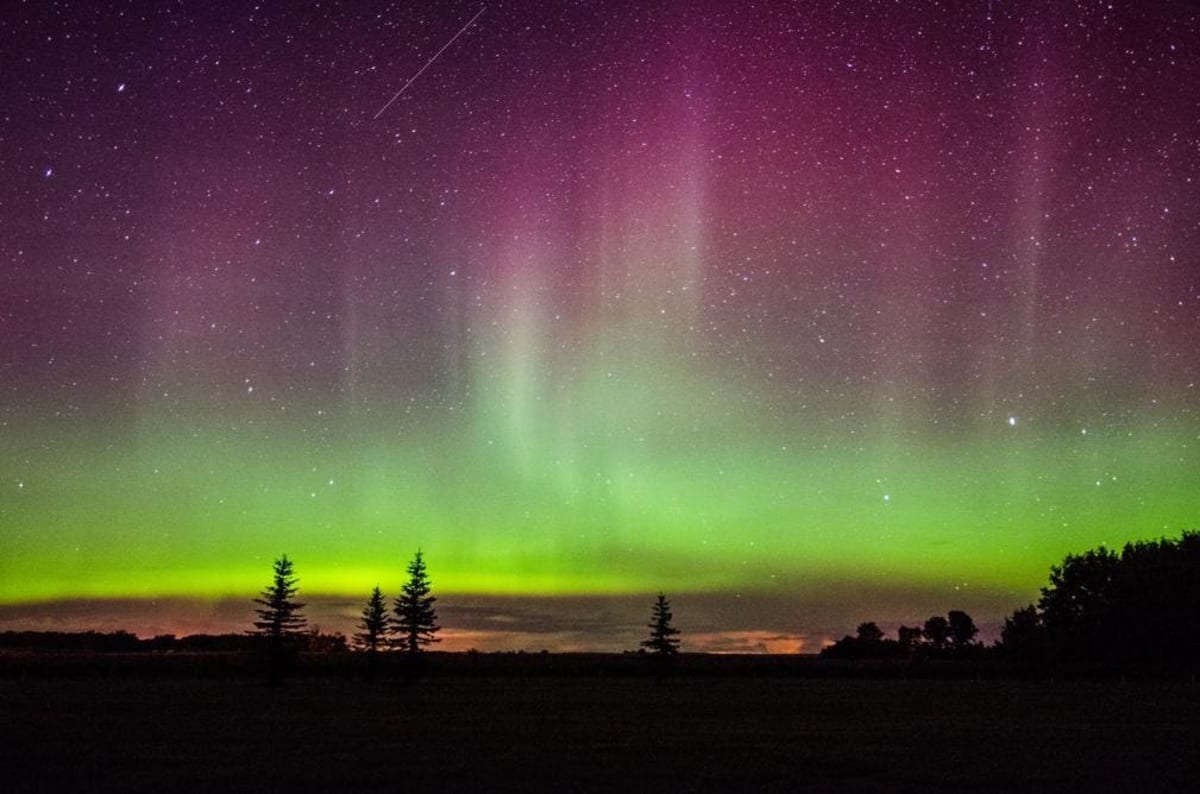
A 400-person Tasmanian town is becoming Australia's third dark sky sanctuary, protecting the wonder of seeing the Milky Way with your naked eye. Ross is switching to smart streetlights that dim at night, saving energy while saving the stars.
Marcus Rodrigues has chased clear night skies across Australia for 50 years, and he found the best view in a tiny midlands town most people drive through without stopping.
Ross, Tasmania, population 400, scores a 21 out of 22 on darkness meters. That means on a clear night, you can see the Milky Way stretching across the sky in stunning detail, just like humans did for thousands of years before cities glowed.
Now, residents are working to protect that darkness forever by earning Dark Sky International accreditation. If successful, Ross will become Tasmania's first and Australia's third officially recognized dark sky sanctuary.
The project started with retired astronomer Marcus Rodrigues, who moved from Sydney specifically to photograph the southern sky. "I've been lucky enough to go around Australia over the decades with my portable telescope, and the skies down here are by far the best in Australia that I've come across," he said.
Local volunteer Nigel Davies is leading the charge to meet the accreditor's strict requirements. All 54 streetlights in Ross need shields so light only shines downward, not up into the sky. The bulbs must emit warmer yellow tones instead of harsh blue-white light.
In March, the Northern Midlands Council approved a lighting management plan that makes these changes law. Davies proposed replacing every streetlight with new smart lights that dim after 10 PM and switch off from midnight to dawn.
The Ripple Effect
The smart lights solve multiple problems at once. They meet dark sky standards while slashing the town's energy costs and maintenance bills. Tasmania's energy distributor is reviewing the proposal, which could make Ross the first town in the state to use this technology.
The project has won over nearly everyone. Davies said 99 percent of residents support the plan, and every business in town signed letters backing the effort.
Tourism is another win. Ross already draws visitors for its historic architecture and clear skies, but official accreditation will put the town on dark sky travel maps worldwide. More tourists means more overnight stays at local hotels and meals at local restaurants.
For Rodrigues, who spent 11 years building a backyard observatory in Ross, the accreditation means his adopted hometown will stay perfect for stargazing. He discovered a small but passionate astronomical community after moving, including visual artist Scott Bennett who shares his love of photographing the cosmos.
The project typically takes two to three years to complete, but volunteers say protecting the darkness is worth the wait.
More Images


Based on reporting by ABC Australia
This story was written by BrightWire based on verified news reports.
Spread the positivity!
Share this good news with someone who needs it