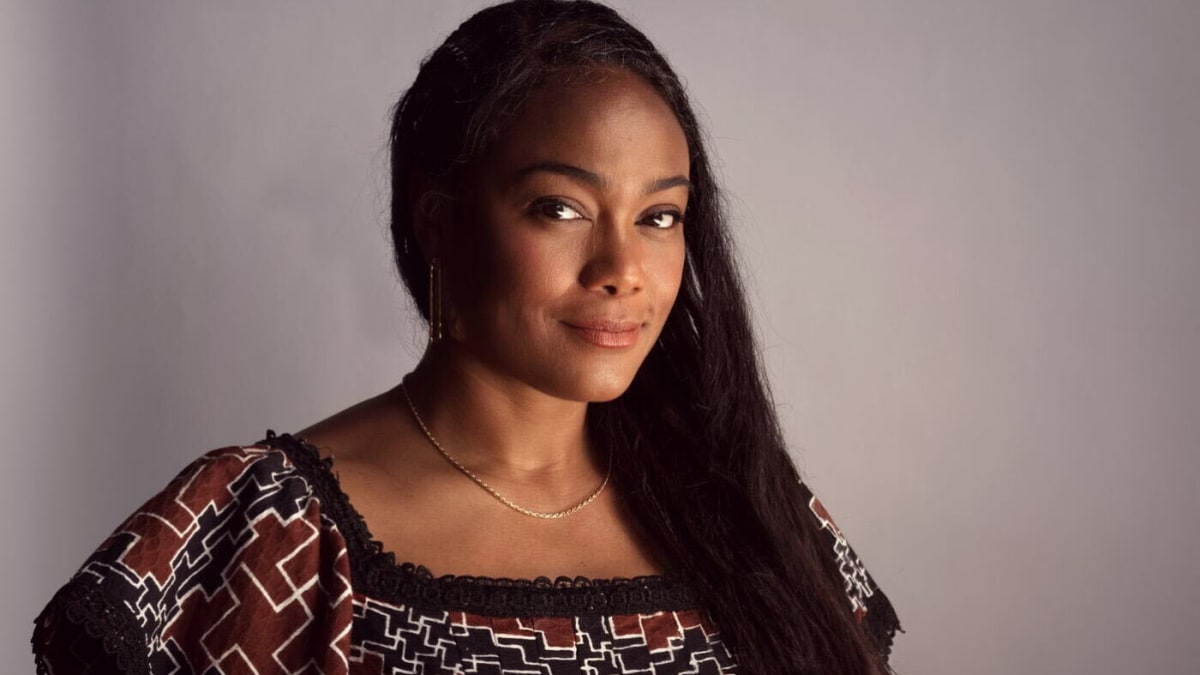
Tatyana Ali Champions Black Maternal Health After Trauma
After experiencing obstetric violence during childbirth, Fresh Prince of Bel-Air star Tatyana Ali became a powerful voice for Black and Indigenous mothers facing systemic healthcare inequities. Her advocacy is part of a growing movement driving real changes in hospital protocols and maternal care teams.
When Tatyana Ali welcomed her first son Aszi in 2016, what should have been a joyful delivery turned into a traumatic experience that would transform her into an advocate for thousands of mothers. The Fresh Prince of Bel-Air star now uses her platform to spotlight maternal health disparities and the solutions making a difference.
Ali describes a chaotic delivery where medical staff ignored her birth plan, physically restrained her, and performed a rare emergency procedure. The doctor pushed her crowning baby back inside her body before performing an emergency c-section. Her son spent days in the neonatal intensive care unit recovering from what hospital staff called a traumatic birth.
The 47-year-old actress says it took time to realize she'd experienced obstetric violence, a term describing mistreatment during childbirth. "It wasn't just me," she told NPR. "I was just one tiny drop in a very, very large bucket that has been overflowing for a very, very long time."
The statistics paint a stark picture. Black mothers in America are more than three times as likely to die from pregnancy-related causes compared to white women. In 2024 alone, 649 women died from maternal causes in the U.S., making it arguably the most dangerous developed country for childbirth.
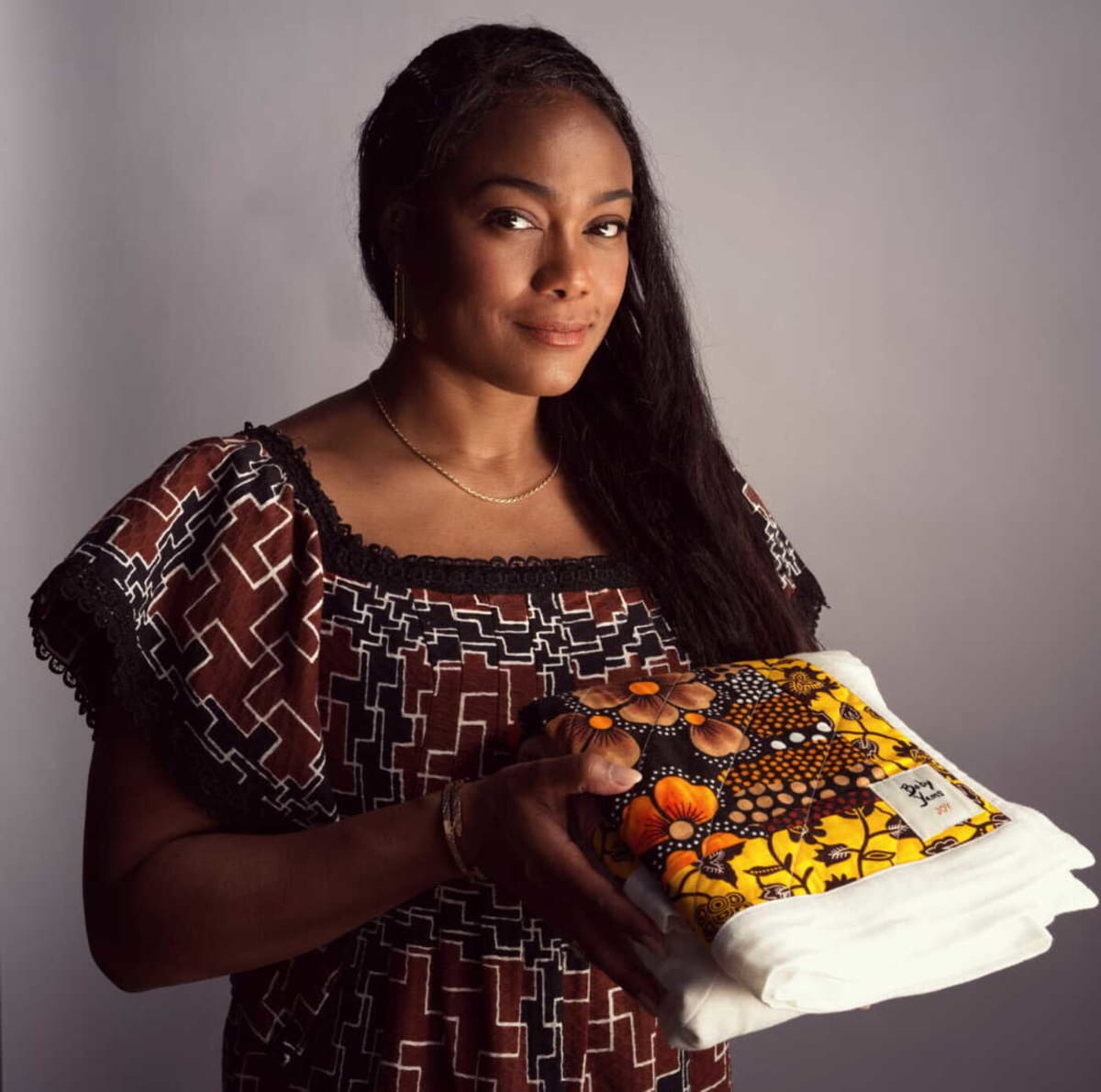
But Ali's story highlights a movement that's gaining momentum. She now advocates for reproductive justice and supports Black and Indigenous birth workers through fundraising efforts, including selling Baby Yams quilts to raise awareness and funds.
The Ripple Effect
Medical professionals like Dr. Tamika Auguste are listening and taking action. As chair of women's and infants' services at MedStar Washington Hospital Center, Auguste says her team now intentionally examines outcomes through the lens of racial demographics to identify and address bias.
"We are very purposeful in looking at outcomes with a lens of demographics of different racial breakdown," Auguste explains. Her hospital employs about a dozen midwives as part of integrated care teams including physicians, doulas, nurses, and anesthesiologists working together.
Auguste points to dangerous misconceptions still prevalent in medicine, like the false belief that Black patients have a higher pain threshold. By acknowledging these biases exist and communicating intentionally about them, medical teams can prevent bias from affecting patient care. She says these discussions are moving the needle, even if slowly.
The changes go beyond individual hospitals. Important work has improved protocols and guidelines for conditions like cardiac issues, hemorrhaging, and hypertension, which disproportionately affect Black women during pregnancy and delivery.
Ali continues raising her two sons, Alejandro and Aszi, with her husband Vaughn Rasberry while speaking out for mothers everywhere. She recently competed on Dancing with the Stars, using another platform to share her message about the most important role of her life: being a mother.
Healthcare providers across the country are joining the conversation, transforming trauma into momentum for change that could save thousands of lives.
More Images


Based on reporting by NPR Science
This story was written by BrightWire based on verified news reports.
Spread the positivity!
Share this good news with someone who needs it