Teacher and Students Build Full-Size 1940s Computer Replica
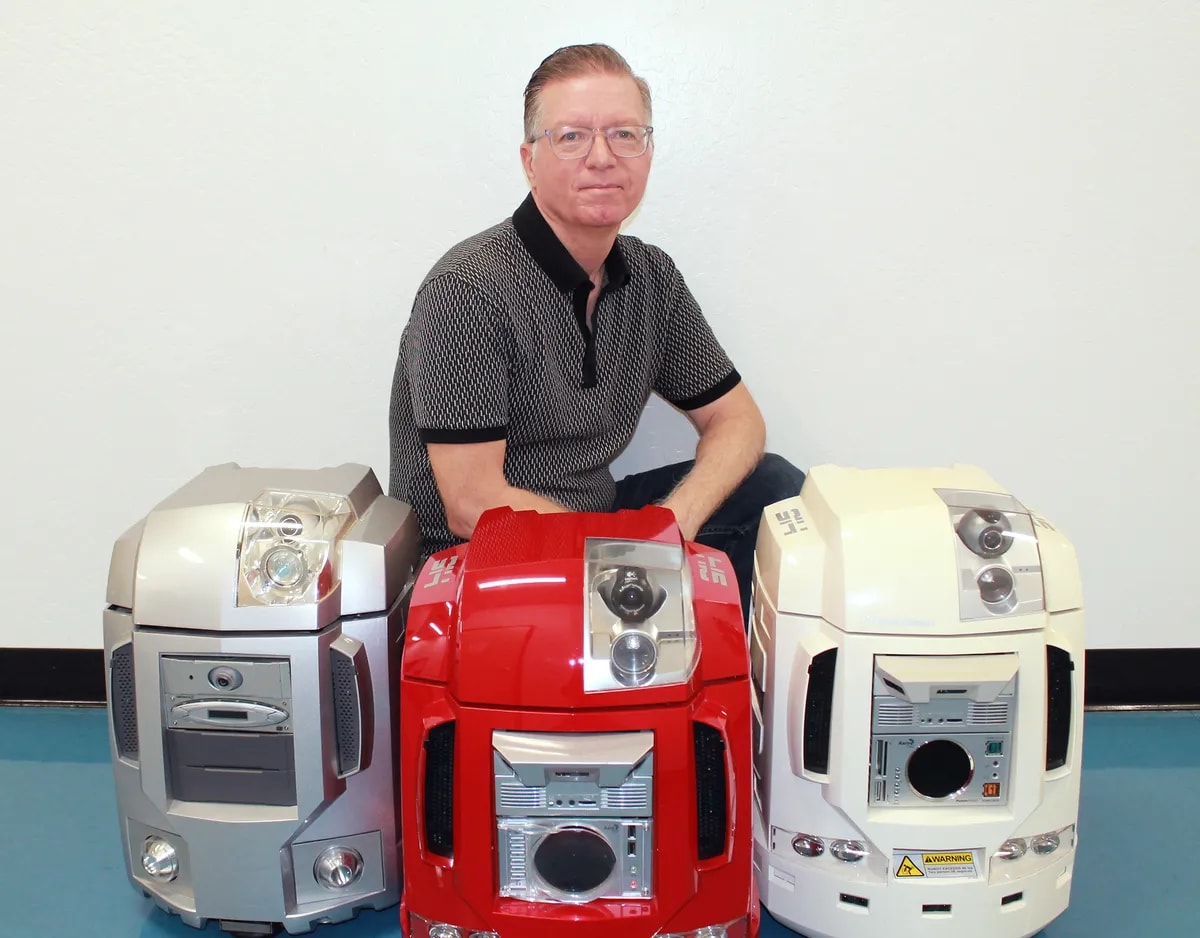
A former roboticist turned teacher is helping neurodivergent students build a life-size replica of ENIAC, one of the world's first computers, proving that different ways of thinking lead to extraordinary creations. Tom Burick's journey from struggling student to successful engineer inspired him to show his students that their unique minds are superpowers.
Tom Burick knows what it feels like when people focus on what you can't do instead of what you can. Now he's helping his students discover their hidden strengths by building a full-scale replica of one of history's most important computers.
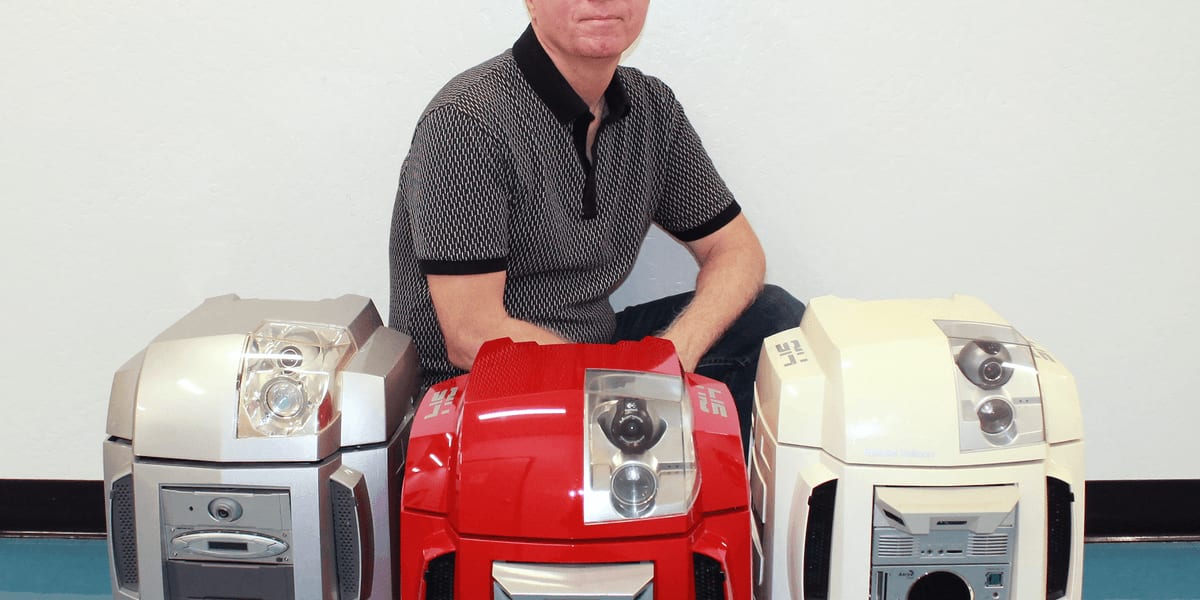
Burick teaches technology at PS Academy in Gilbert, Arizona, a school for students with autism and other specialized learning needs. This school year, he launched an ambitious project with his students to recreate ENIAC, the Electronic Numerical Integrator and Computer, for its 80th anniversary.
When ENIAC debuted in the 1940s, it was a thousand times faster than other machines and changed computing forever. The replica Burick's class is building matches the original exactly as it looked before being disassembled in the 1950s.
The project feels personal for Burick because he's neurodivergent too. Growing up in Latrobe, Pennsylvania, with dyscalculia, which makes traditional math challenging, he constantly heard about his limitations. But nobody talked about the gifts that came with thinking differently.
As a teenager obsessed with robots after watching Lost in Space, Burick taught himself engineering using college textbooks and visiting robotics labs. At 15, he built a 150-pound steel firefighting robot that won awards from IEEE. He learned by reading textbook pages over and over until concepts clicked, developing his own methods when traditional approaches didn't work.
His dyscalculia turned out to be connected to extraordinary 3D spatial reasoning. "I have this CAD program that runs in my head 24 hours a day," he says.
After high school, Burick skipped college and jumped straight into real-world problem solving. In 2000, he opened White Box Robotics, creating modular robots like building blocks. The company sold about 200 robots in 17 countries before the 2008 financial crisis forced it to close.
Instead of viewing the closure as defeat, Burick remembered the mentors who believed in him when he was young. In 2013, he started teaching young adults with autism, eventually joining PS Academy in 2019.
Why This Inspires: Burick sees his students facing the same doubts he once did, and he's determined to flip the script. He connects with them because he understands that neurodiversity isn't a limitation but a different way of seeing solutions. By tackling ambitious projects like the ENIAC replica, he's showing students that the same traits society calls challenges can be the very things that make them brilliant builders and creators.
The lesson goes beyond circuits and computer history. When you think differently, you often see possibilities others miss.
More Images
Based on reporting by IEEE Spectrum
This story was written by BrightWire based on verified news reports.
Spread the positivity!
Share this good news with someone who needs it