Teacher Finds First T-Rex Running Tracks in North Dakota
A Colorado schoolteacher led scientists to an incredible discovery: the first continuous footprints of a running T-Rex, captured 66 million years ago in what's now North Dakota. The rare trackway shows a moment frozen in time as a massive predator moved across an ancient landscape.
Imagine following in the footsteps of a running T-Rex. Thanks to a Colorado schoolteacher's sharp eye, scientists can now do exactly that with the first continuous tracks ever found from the iconic dinosaur.
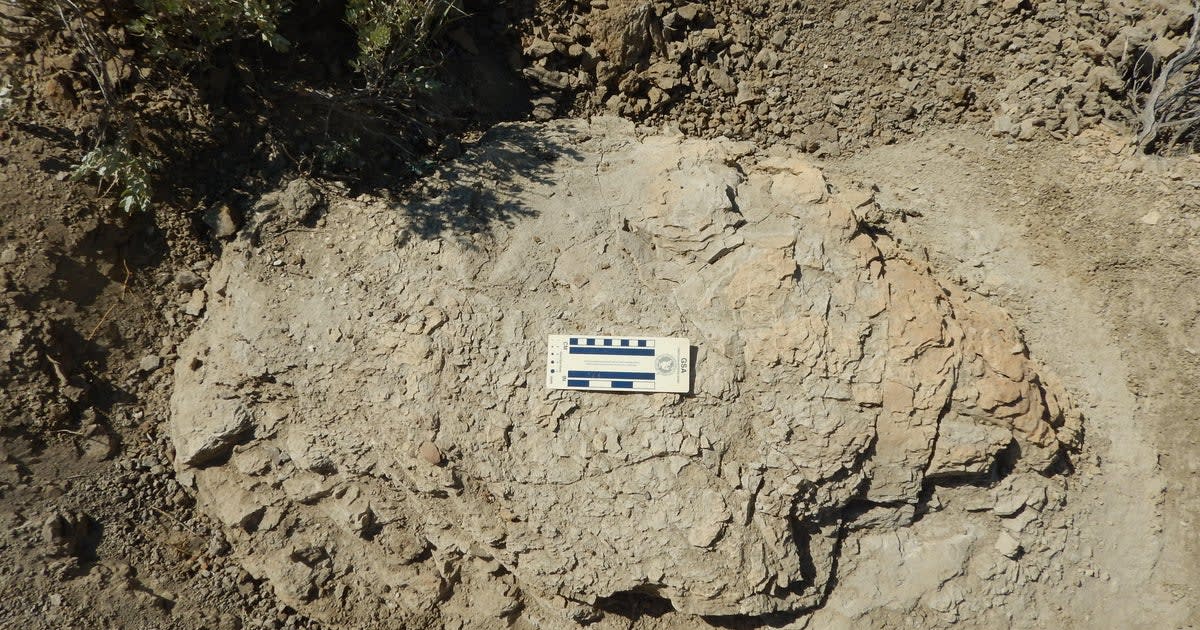
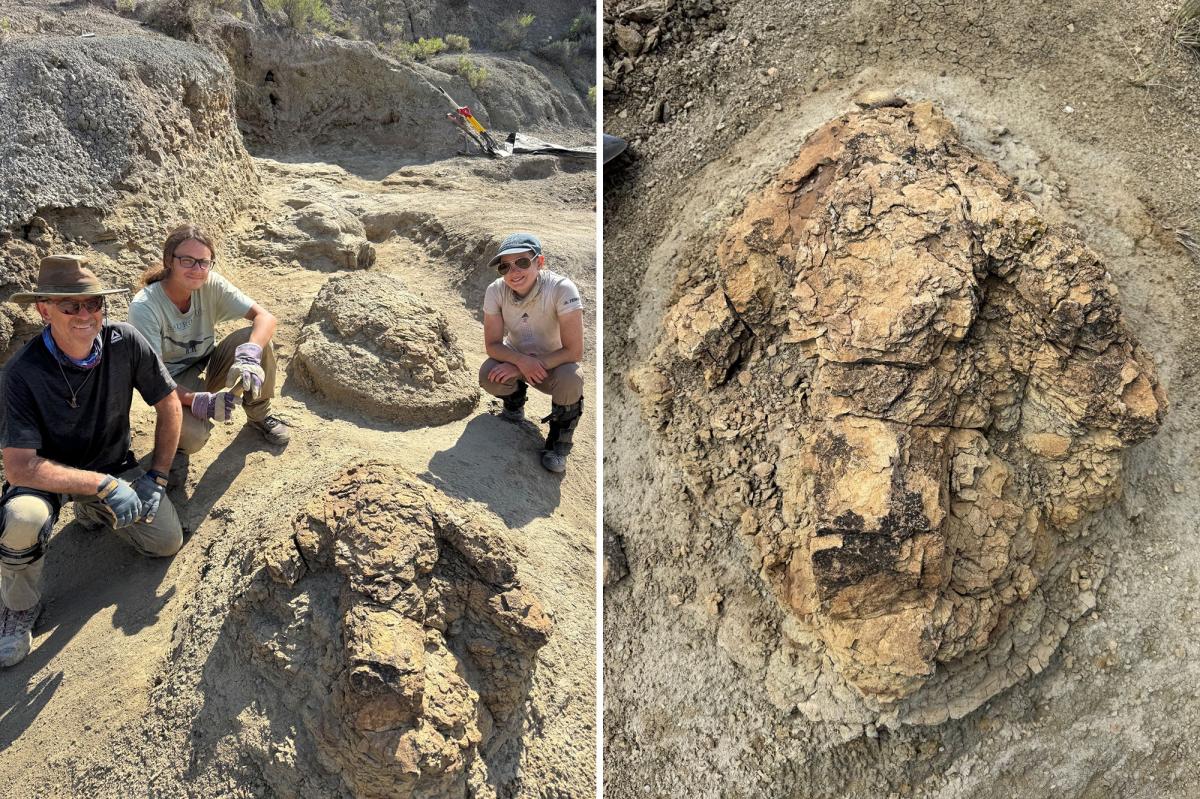
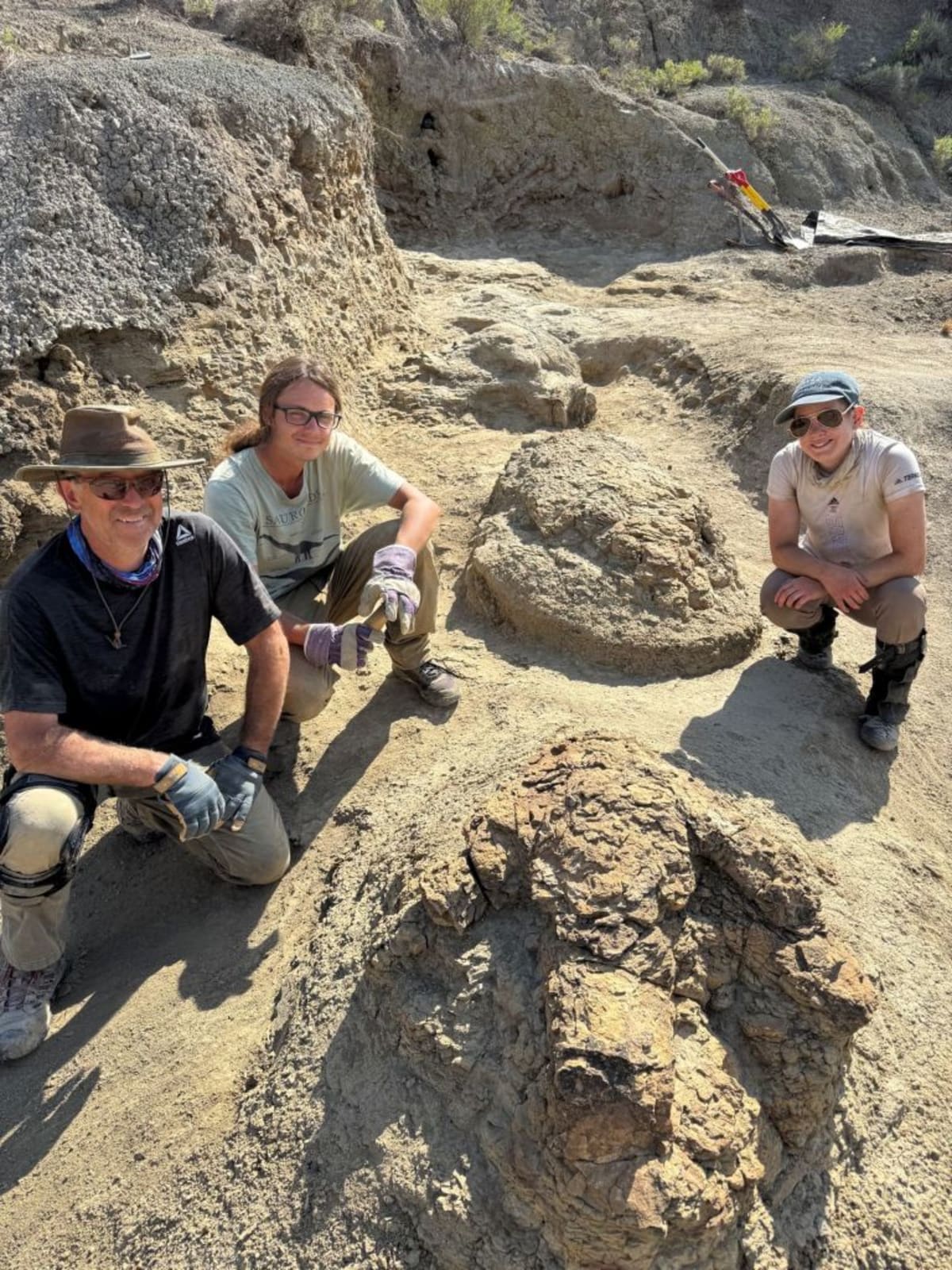
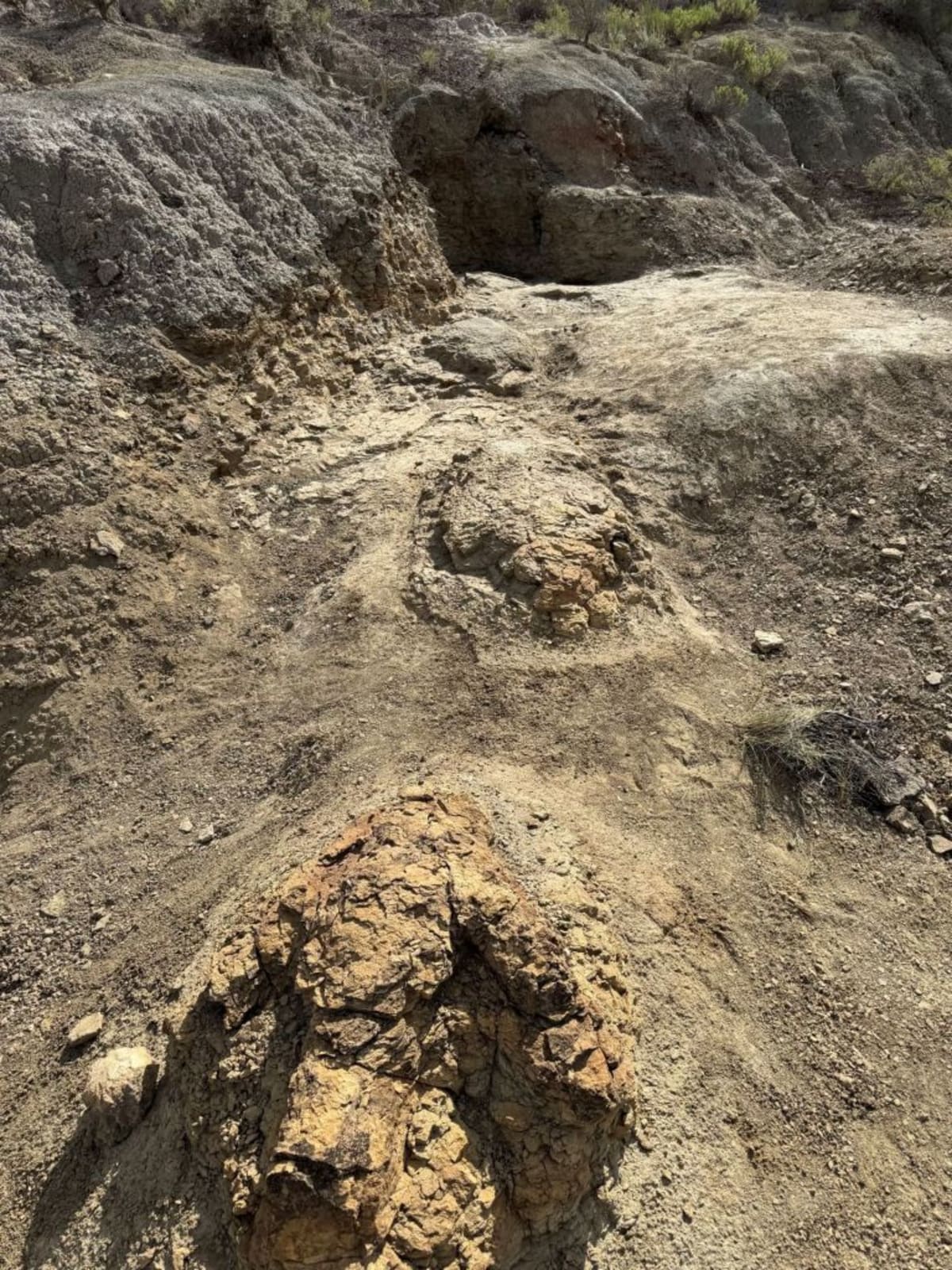
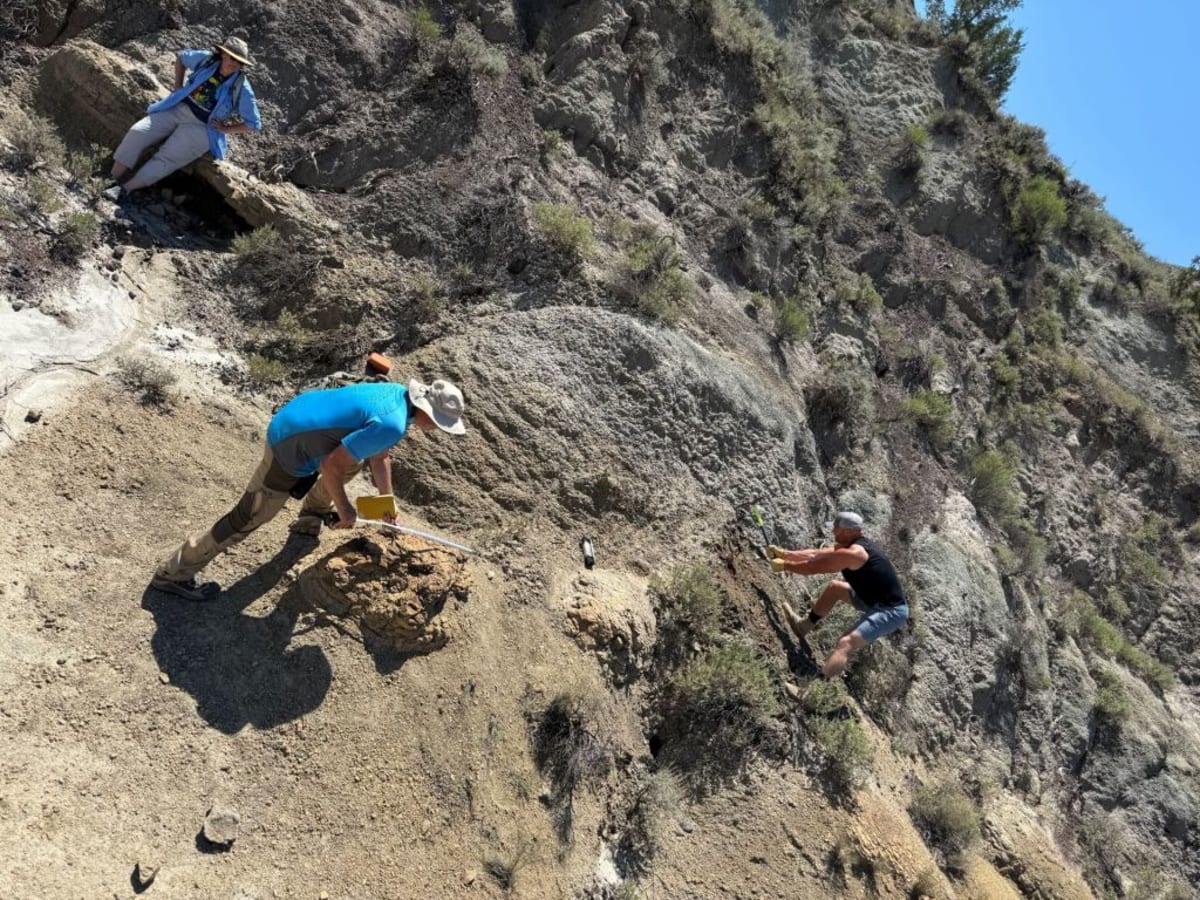
Kent Hups discovered four giant three-toed footprints spanning 23 feet in North Dakota's Badlands. The tracks, pressed into rock 66 million years ago in the Hell Creek Formation, offer something bones never could: a snapshot of behavior in real time.
"Bones tell us an enormous amount about these animals, but footprints capture a moment of behavior," said Tyler Lyson, senior curator of vertebrate paleontology at the Denver Museum of Nature & Science. With these tracks, scientists can literally follow the animal as it moved across the prehistoric landscape.
Each footprint measures about 3.3 feet, and the stride between them tells researchers how this apex predator was moving. While single T-Rex footprints from both adults and juveniles have been found before, this marks the first time anyone has discovered continuous tracks that show the path of travel.
The discovery came from Hups doing exactly what he teaches his students. "Science starts with curiosity, passion and careful observation," he wrote in a paper about the find. "I never imagined that could lead me to a discovery like this."
Scientists also uncovered T-Rex skeletal remains in the same area, adding even more data to our understanding of how these creatures lived. The tracks will be airlifted by helicopter to the Denver Museum of Nature & Science, where researchers and visitors alike can study this rare glimpse into dinosaur movement.
Why This Inspires
This discovery shows how curiosity and careful attention can lead to breakthroughs, even in fields studied for decades. Hups wasn't a professional paleontologist when he found these tracks. He was simply someone who looked closely at the world around him and knew when something mattered.
His find proves that major scientific discoveries don't only happen in labs with expensive equipment. Sometimes they happen because someone takes the time to really see what's in front of them, and has the knowledge to recognize its importance.
The trackway connects us to a specific moment 66 million years ago when a living, breathing T-Rex walked across wet ground. That moment is now preserved forever, ready to teach new generations about the ancient world.
More Images
Based on reporting by Google News - Science
This story was written by BrightWire based on verified news reports.
Spread the positivity!
Share this good news with someone who needs it