Teacher Helps Students With Disabilities Learn Life Skills
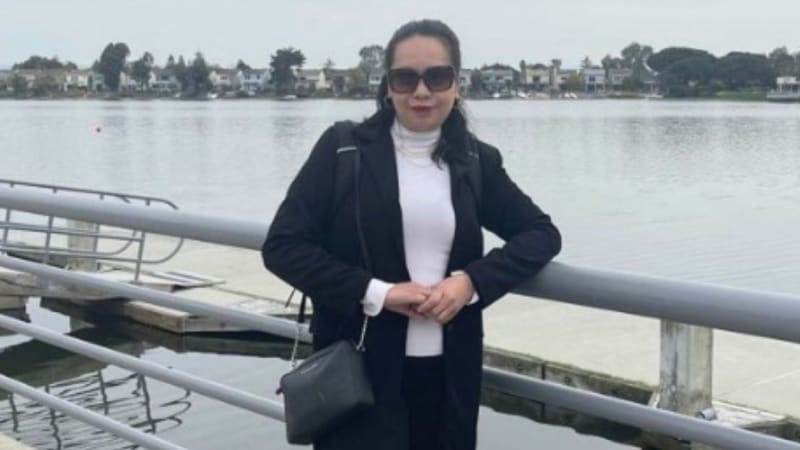
Ma Corazon Quinay created a new way to teach essential life skills to high school students with significant learning needs. Her program at Oceana High School connects classroom lessons to real-world tasks like shopping, cooking, and managing money.
A special education teacher in California is transforming how students with disabilities prepare for independent living. Ma Corazon Quinay developed a curriculum that turns everyday activities into powerful learning opportunities for teens with extensive support needs.
Quinay teaches in the Life Skills Program at Oceana High School in Pacifica, where she works with students who have significant cognitive and adaptive challenges. For nearly nine years, she's been refining an approach that connects traditional academics to practical skills students can use every day.
Her Life Skills Integration Model breaks down the walls between classroom learning and real life. Instead of teaching reading and math in isolation, Quinay embeds these skills into activities like following recipes, reading bus schedules, and counting money at stores.
The approach required Quinay to completely rethink standard teaching methods. She designs personalized plans for each student that balance academic growth with functional independence, tracking progress through careful data collection and continuous assessment.
Before moving to California, Quinay earned top honors as valedictorian in the Philippines and studied mathematics and computer science at the University of the Philippines on a merit scholarship. She later specialized in special education, earning both a diploma and master's degree in the field.
Her credentials include specialized teaching licenses from Hawaii, the Philippines, and California. The California Education Specialist Instruction Credential she holds is one of the field's most advanced certifications, reserved for educators serving students with complex learning needs.
Quinay also supervises paraprofessionals and administers state assessments that help determine what services students qualify for. Her principal notes that she maintains high instructional standards while never losing sight of each student's individual growth.
Why This Inspires
Quinay's work matters because students with disabilities often get stuck in programs that underestimate what they can achieve. By connecting academics to daily tasks, she's giving her students tools for real independence.
"My goal is to help students trust their abilities," Quinay explains. "When they trust themselves, progress follows." Her model proves that specialized instruction doesn't mean lower expectations. It means smarter, more personalized teaching that meets students where they are and helps them move forward.
Every student who learns to navigate a bus route, prepare a meal, or manage their own schedule gains not just a skill but confidence. That confidence opens doors to fuller, more independent lives after graduation.
More Images

Based on reporting by Google News - Student Achievement
This story was written by BrightWire based on verified news reports.
Spread the positivity!
Share this good news with someone who needs it