Teachers Leading the AI Revolution in K-12 Classrooms
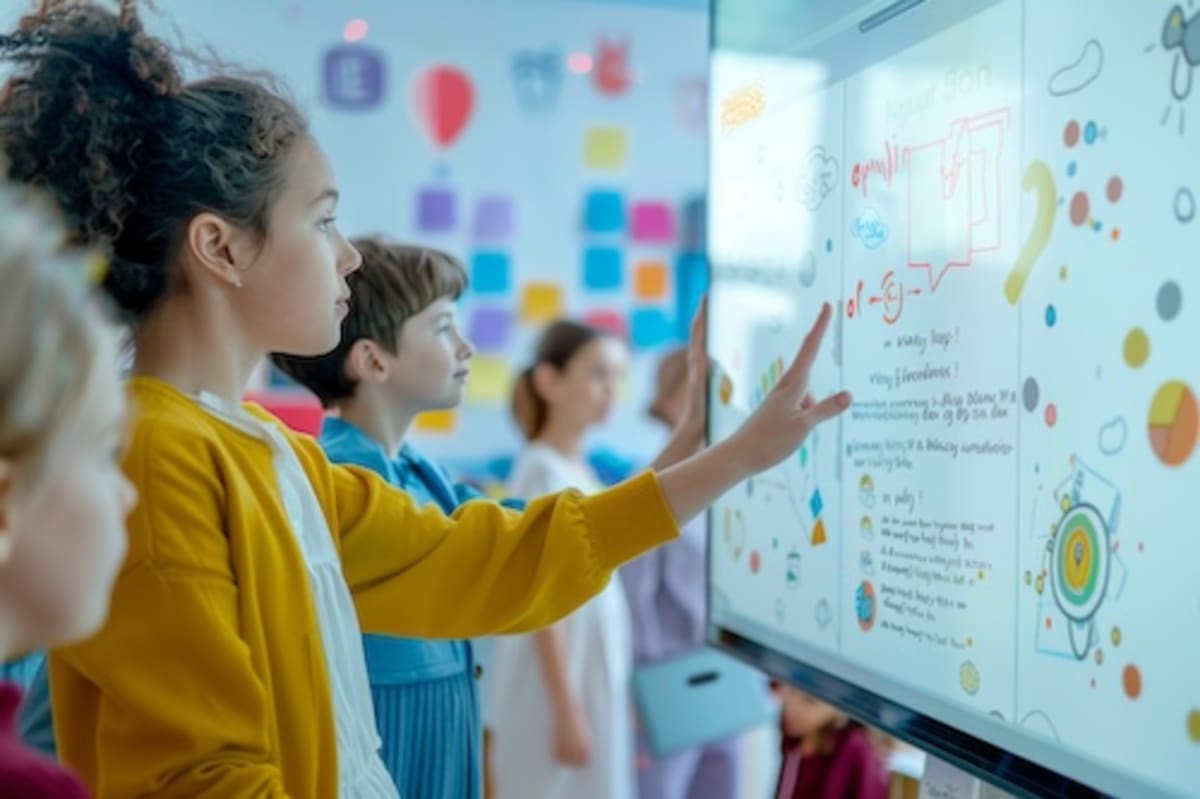
School districts are flipping the script on education technology by putting teachers in charge of innovation instead of relying on flashy new products. From Atlanta to classrooms nationwide, educators are becoming co-designers of the future rather than passive customers.
The next wave of education innovation isn't coming from Silicon Valley. It's happening in classrooms where teachers are finally getting the freedom to experiment and create.
School districts are rethinking their entire approach to technology. Instead of chasing every shiny new product, they're empowering educators to shape how AI and digital tools actually work for students.
Atlanta Public Schools is leading this shift with their Verizon Innovative Learning Labs in Title 1 schools. These collaborative spaces let students transform textbook learning into hands-on projects, like using augmented reality to explore planets in the solar system or designing 3D models that bring abstract concepts to life.
The district focuses on teaching best practices for AI use rather than creating restrictive policies. Content integration specialist Jen Hall says extensive training helps both teachers and students use technology safely and ethically.
This matters because students are becoming too dependent on AI shortcuts. The constant access to instant answers weakens critical thinking skills and the mental struggle that actually helps learning stick.
Dr. Stacy Hawthorne from the EdTech Leaders Alliance suggests moving beyond simple tests. Instead, students should demonstrate mastery by writing extended book chapters, launching letter campaigns about policy issues, or connecting math concepts to their hobbies.
The Ripple Effect
When districts give teachers autonomy to innovate, the impact spreads quickly. Schools are replacing traditional classroom observations with personalized coaching that encourages experimentation over compliance.
Teachers now follow a simple three-phase approach: explore new strategies without fear, refine what shows promise, and share successes with colleagues. When educators build on each other's wins, innovation takes off naturally.
Districts are also getting smarter about technology purchases. Procurement teams now prioritize tools with single sign-ons, offline modes, and built-in accessibility features like screen readers and adjustable interfaces.
Universal Design for Learning is moving from nice-to-have to essential. Schools use IT asset management solutions to track how devices are actually used, making decisions based on real student needs instead of vendor promises.
The traditional classroom walls are coming down as students gain more autonomy. Atlanta's 21st Century Classroom initiative centers on building future-ready skills through critical thinking, creativity, communication, and collaboration.
This teacher-led revolution proves that the best education technology doesn't replace the curiosity and joy in learning. When educators become co-designers instead of passive consumers, students get tools that truly help them explore, create, and become experts in what matters to them.
More Images
Based on reporting by Google News - School Innovation
This story was written by BrightWire based on verified news reports.
Spread the positivity!
Share this good news with someone who needs it