Team Builds Electric Car from Mismatched Parts Using $50 PC
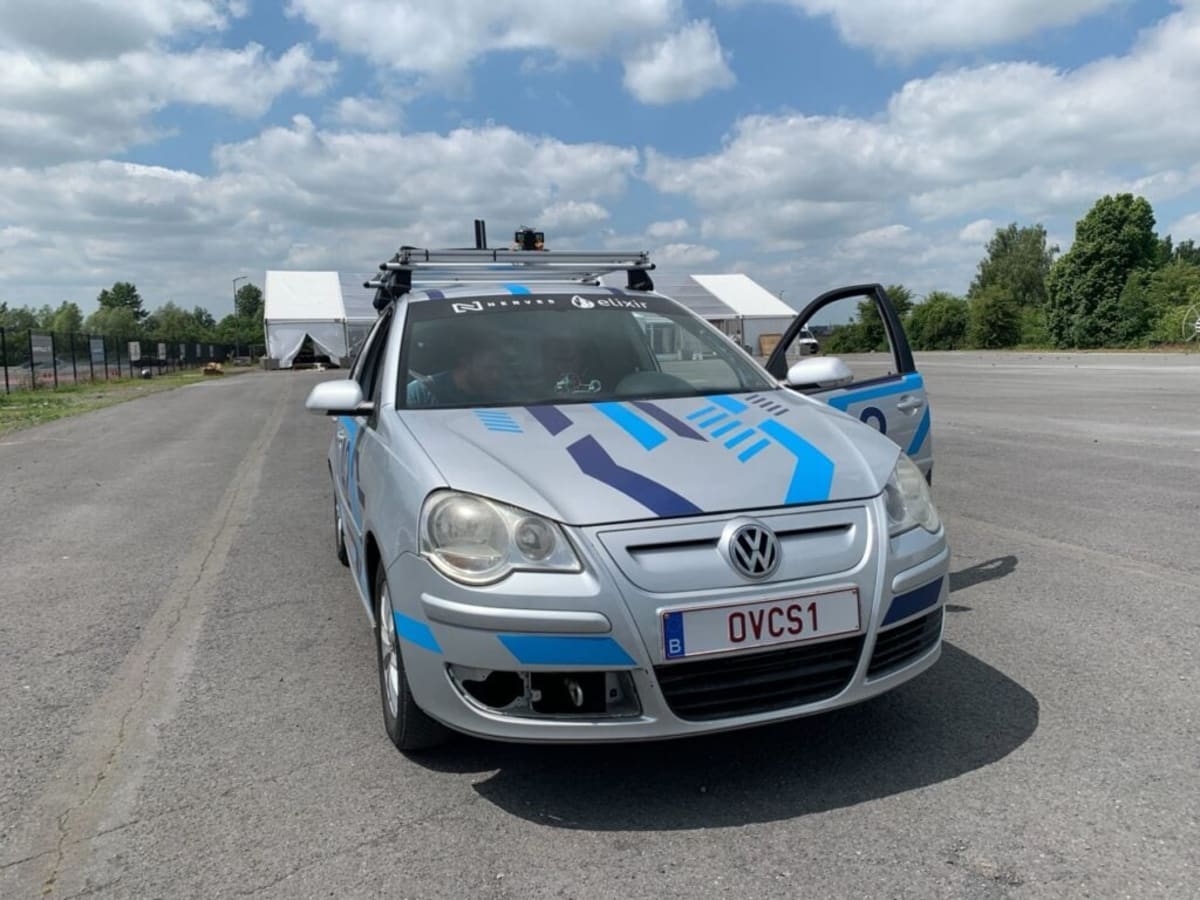
A group of makers converted an old VW Polo into a working electric vehicle using parts from different manufacturers and a Raspberry Pi computer to make them communicate. Their Open Vehicle Control System breaks the vendor lock-in common in modern cars.
Imagine building a working electric car like assembling Lego blocks from different sets, mixing brands freely until everything clicks.
That's exactly what Marc Lainez and his team accomplished with their Open Vehicle Control System project. Over 18 months, they transformed an old VW Polo into a functional electric vehicle using parts from multiple manufacturers, including a Nissan Leaf electric motor.
The real innovation isn't just the conversion itself. It's how they made incompatible parts talk to each other using affordable Raspberry Pi computers as translators.
Modern car manufacturers use proprietary technology that locks customers into specific brands for repairs and upgrades. Want to replace a part? You often need the exact component from the same manufacturer, speaking the same digital language.
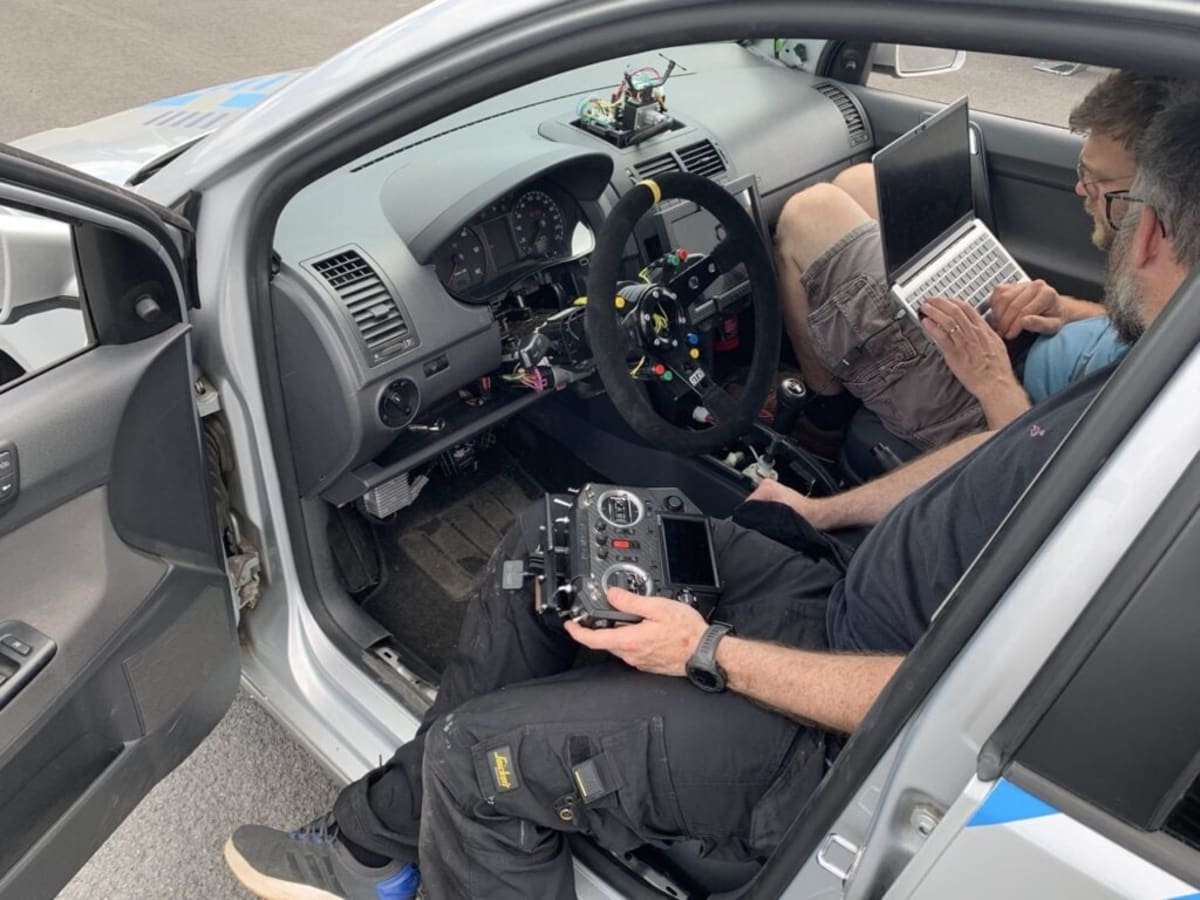
The OVCS team tackled this head-on by using Raspberry Pi to bridge the communication gap between components. The tiny computer translates messages across five different networks inside the car, routing information between the brakes, steering, motor, and displays.
Without reverse-engineering the secret languages car parts use to communicate, the project would have been impossible. The team spent countless hours monitoring data, pulling handbrakes repeatedly, watching which digital signals changed, piecing together the puzzle one message at a time.
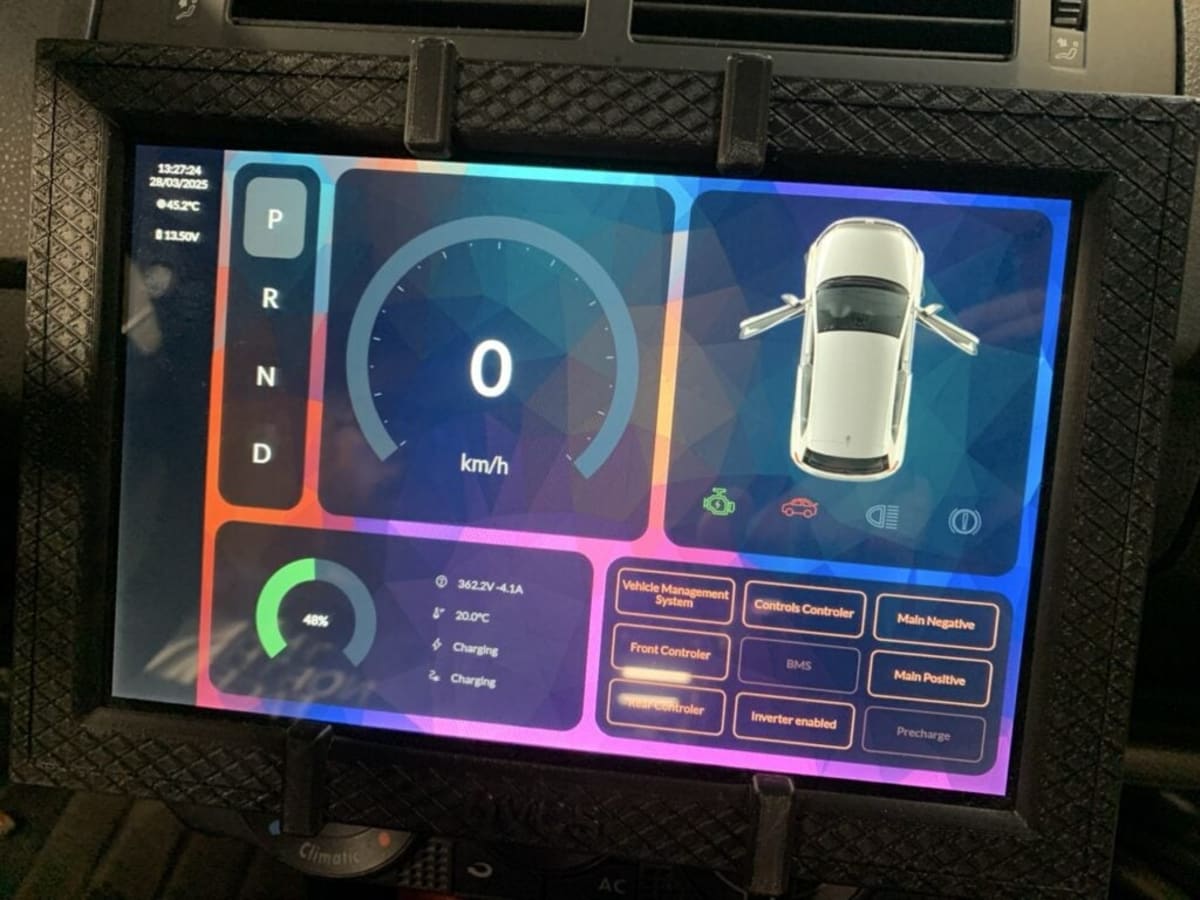
They used three Raspberry Pi computers throughout the vehicle. One powers the vehicle management system, essentially the car's brain. Another runs the infotainment system with a touchscreen gear selector. The third enables remote control capabilities, sending acceleration, braking, and steering commands wirelessly.
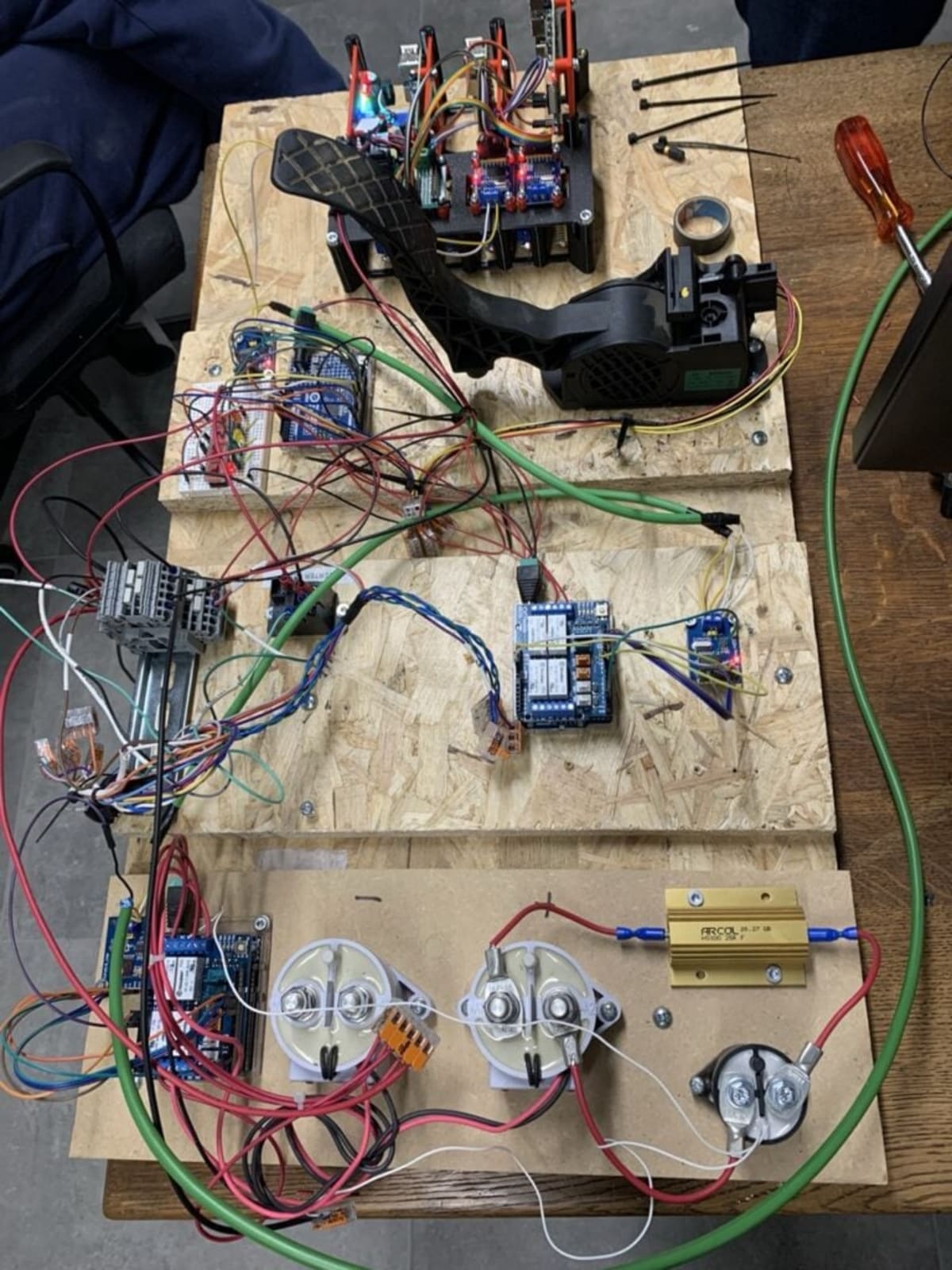
The team built their first prototype on wood before touching an actual car. This careful approach helped them test concepts safely before making permanent modifications.
The Ripple Effect
While this particular "Frankencar" isn't road-legal yet, the implications reach far beyond one converted Polo. Car enthusiasts worldwide share reverse-engineered information on forums, building a collaborative knowledge base that challenges manufacturer monopolies.
The project demonstrates how open-source thinking could reshape vehicle ownership. Imagine choosing the best motor from one brand, your favorite dashboard from another, and mixing parts based on performance and price rather than compatibility restrictions.
The team chose high-level programming languages and familiar development tools, making their work more accessible to other tinkerers. They're documenting everything they've learned so others can follow in their tire tracks.
Their next goal? Making the Frankencar self-driving, pushing the boundaries of what hobbyists can achieve with determination and affordable technology.
What started as a group of friends seeking a challenging hobby project became a working proof that the future of vehicles might be more open than manufacturers intended.
More Images

Based on reporting by Google News - Electric Vehicle
This story was written by BrightWire based on verified news reports.
Spread the positivity!
Share this good news with someone who needs it