Team Care Cuts High Blood Pressure in Low-Income Patients
A new study shows that combining home monitoring, health coaching, and medication adjustments helps low-income Americans finally control their high blood pressure. More than half of Americans with hypertension currently can't get it under control, despite having access to affordable medications.
High blood pressure fuels heart attacks and strokes, yet more than half of Americans still can't get it under control. Now a new study reveals a surprisingly simple solution that's working for people who need it most.
Researchers tested a team approach for low-income patients struggling with hypertension. Instead of relying only on medications, the strategy brought together primary care doctors, nurses, and community health workers to create a support network around each patient.
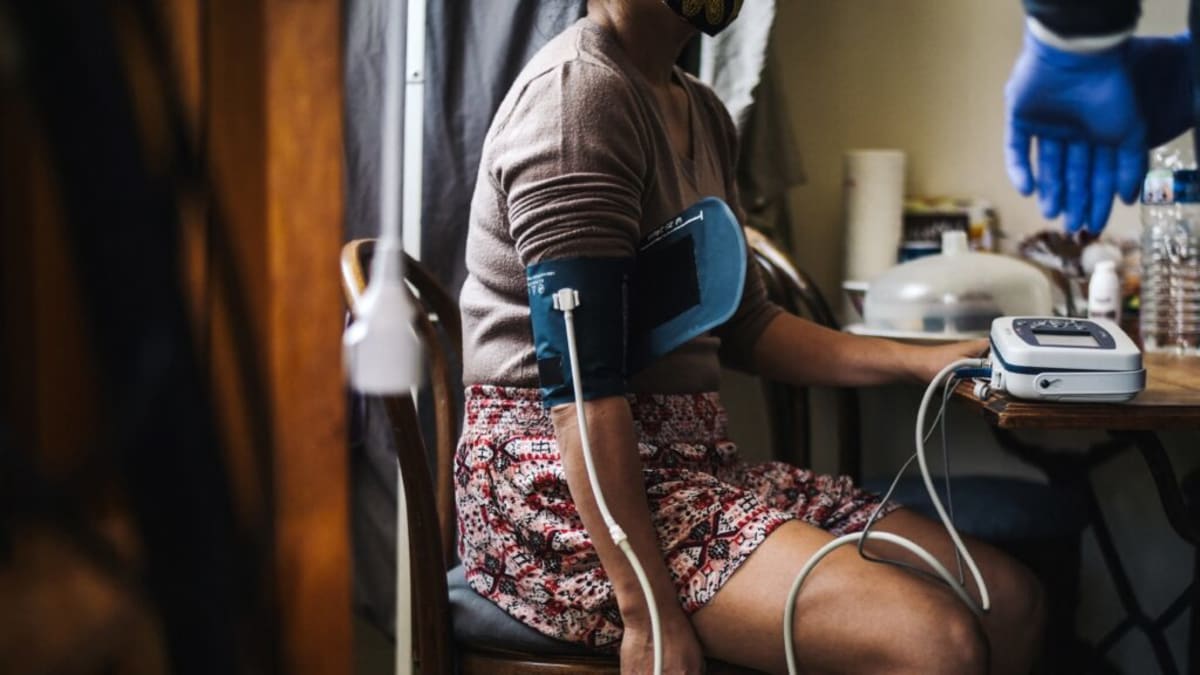
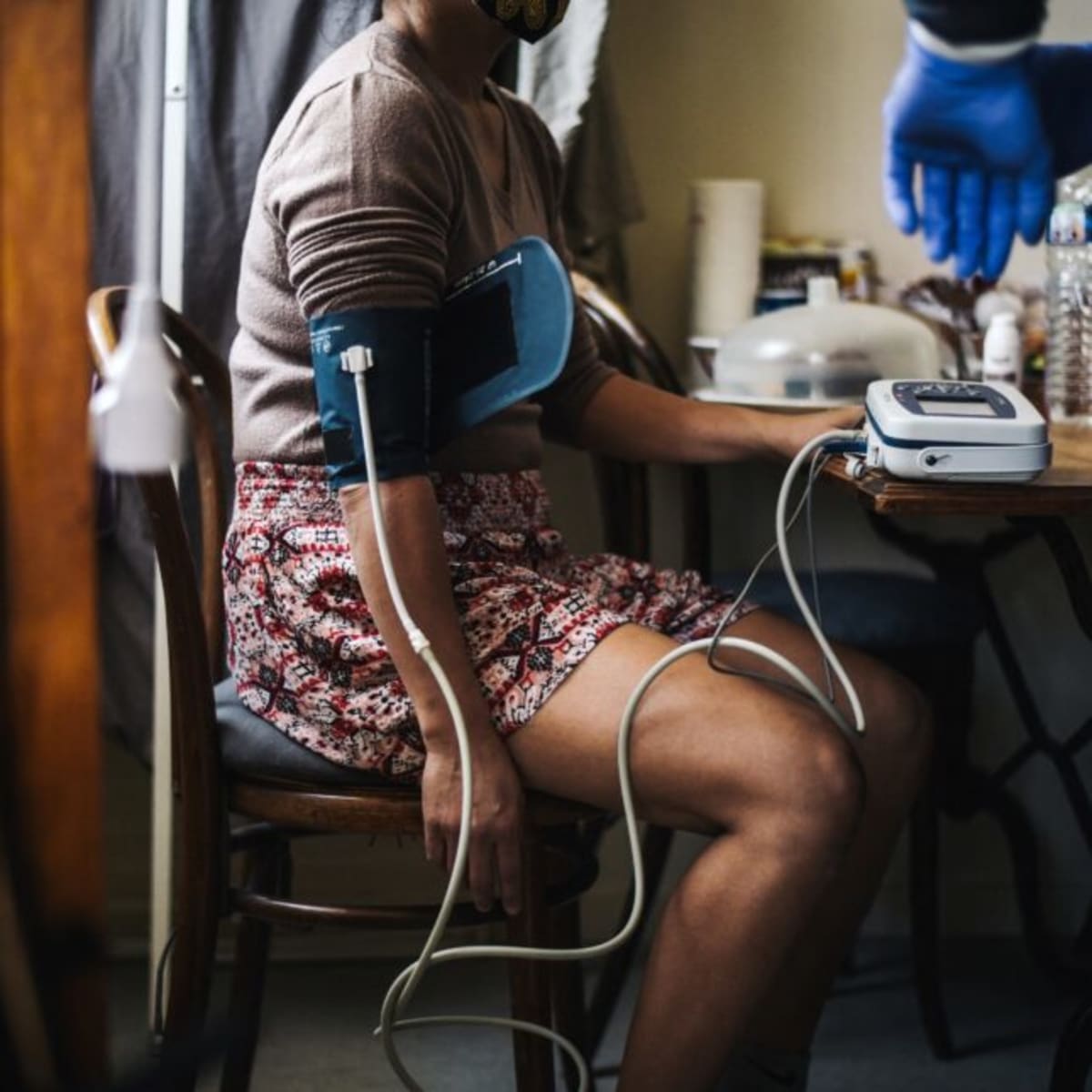
The program included three key elements. Patients monitored their blood pressure at home and received personalized feedback, got medication adjustments when needed, and worked with health coaches who understood their daily challenges.
What makes this research especially meaningful is where it succeeded. The study focused on patients facing tough social and economic barriers, the same populations where hypertension rates keep climbing and traditional treatment often falls short.
High blood pressure remains the leading risk factor for the number one cause of death in America and worldwide. The condition is treatable with effective and affordable medications that already exist, yet access to pills alone clearly isn't enough.
The Ripple Effect
This team-based model addresses what medications can't fix on their own. Community health workers who understand patients' real-life obstacles can spot barriers that doctors in 15-minute appointments might miss, from food insecurity affecting diet changes to transportation problems preventing pharmacy trips.
The protocol-driven approach also removes guesswork. Clear guidelines help every team member know exactly when and how to adjust treatment, creating consistency that benefits patients no matter which provider they see.
Home monitoring puts patients in the driver's seat of their own care. Regular feedback helps people see progress in real time, building motivation and catching problems before they become emergencies.
The study proves that controlling hypertension in challenging circumstances isn't about discovering new drugs. It's about wrapping the right support around people where they actually live their lives, acknowledging that health happens in communities, not just clinics.
Healthcare systems nationwide could adapt this model without waiting for expensive new technologies or treatments. The tools already exist, from home blood pressure cuffs to community health worker programs that many regions are already building.
When healthcare meets patients where they are with the support they actually need, even America's most stubborn health problem starts to budge.
More Images



Based on reporting by STAT News
This story was written by BrightWire based on verified news reports.
Spread the positivity!
Share this good news with someone who needs it