Tech Giants Build AI That Does Your Computer Work for You
Your computer might soon handle complex tasks on its own, from planning trips to managing emails, thanks to new AI technology from Nvidia, Microsoft, and Google. The tech giants are betting big that digital assistants are finally ready to move beyond setting alarms.
Imagine telling your computer what you need done and walking away while it handles everything from booking travel to managing your inbox. That future just got closer thanks to major breakthroughs from the world's biggest tech companies.
Nvidia, Microsoft, and Google recently unveiled new chips, laptops, and software designed to power AI agents that can tackle complicated tasks without constant human input. Unlike Alexa or Siri, which mostly play music and set timers, these new tools aim to understand what you want and figure out the steps to make it happen.
"The goal eventually is to figure out, 'Hey, how do I just tell the computer essentially what I want it to do, and then have it do it,'" said Bob O'Donnell, founder of tech research firm Technalysis.
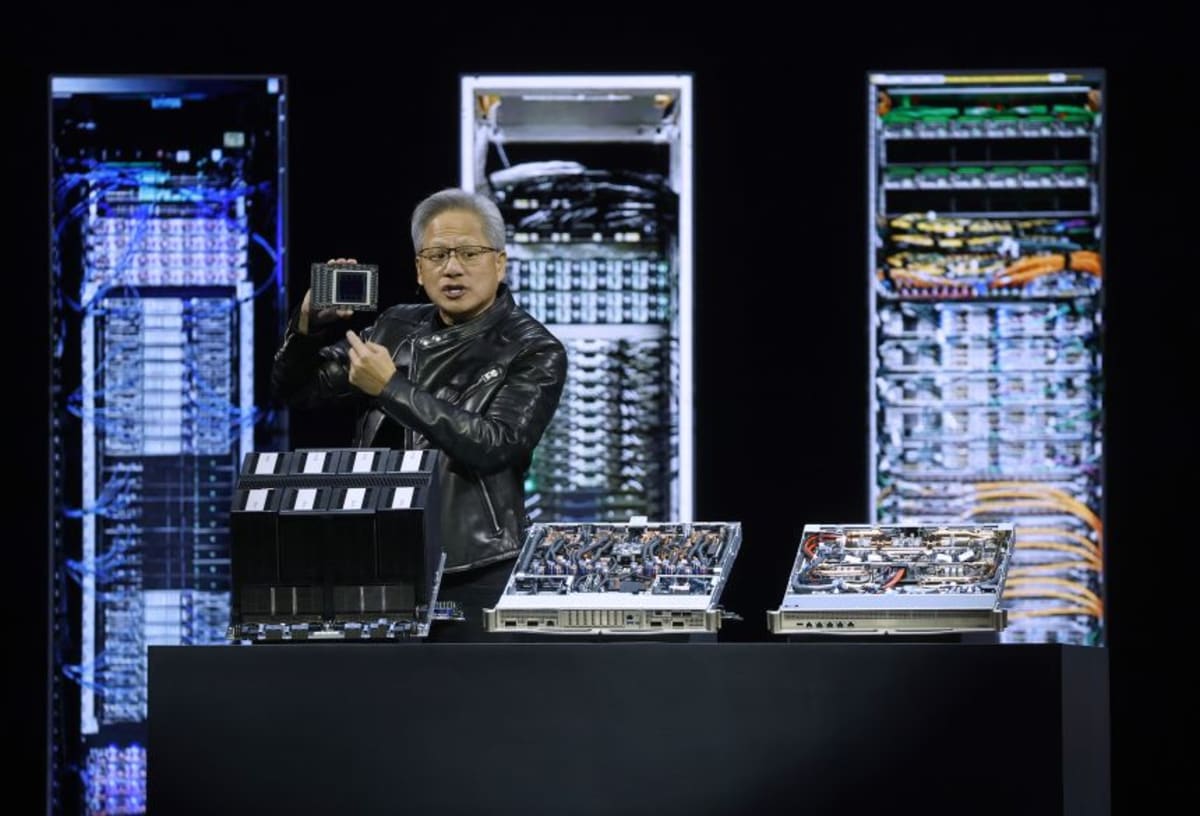
Nvidia revealed its new RTX Spark chip for laptops that can run AI agents without needing cloud connectivity. Dell, HP, and Lenovo will launch computers with the chip this fall, giving them more memory and processing power than standard laptops.
Google's upcoming Chromebooks will suggest helpful actions when you hover your mouse over things like dates in emails, offering to set up meetings automatically. Microsoft is creating an agent called Scout that monitors your emails and work chats across Outlook and Teams, handling tasks while you focus on other work.
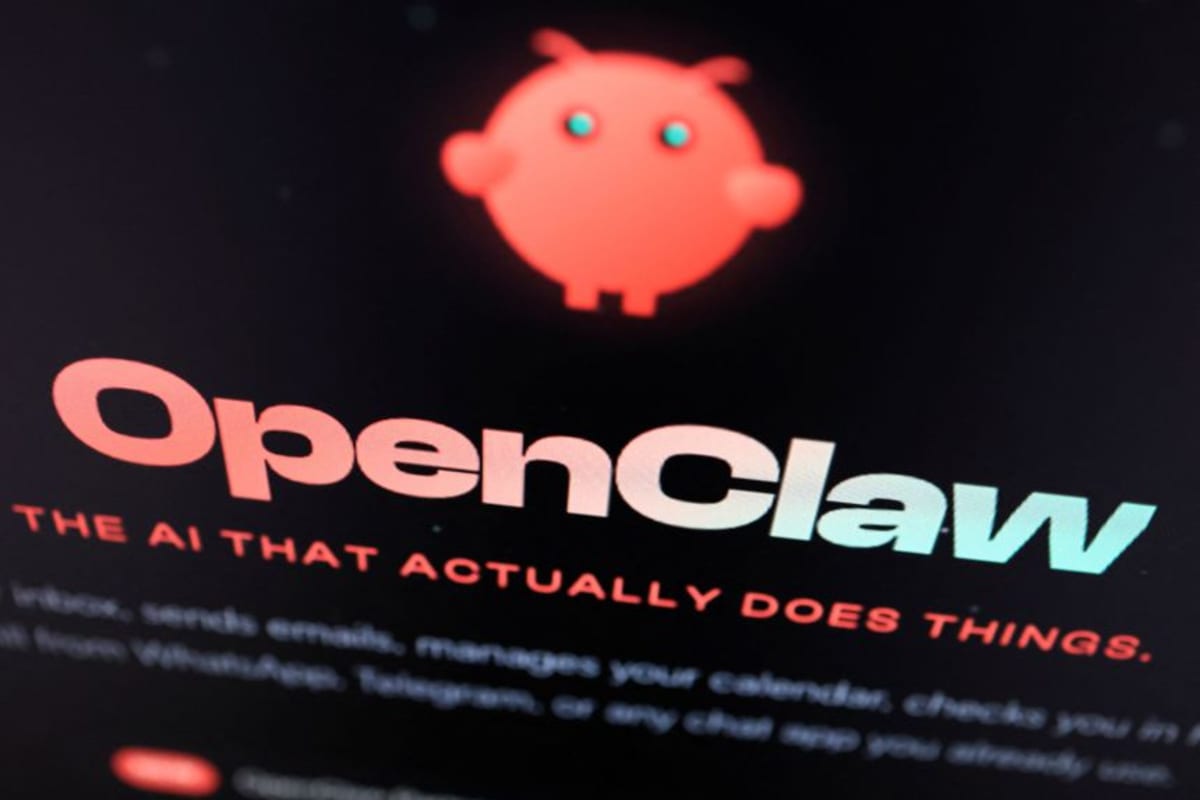
The shift started after ChatGPT launched in late 2022, showing how AI could understand complex requests. OpenClaw, a buzzy AI assistant popular with developers, already lets people run programs and complete multi-step projects with minimal prompting. Some developers now check their AI agent's progress by texting it through WhatsApp while they work on other tasks.
At a press conference this week, Nvidia CEO Jensen Huang demonstrated how a laptop with the new chip could design a house by coordinating between different 3D modeling apps. The AI agents worked together to complete the project, showing what's possible when computers can think several steps ahead.
The Ripple Effect
The benefits extend beyond convenience. Processing tasks locally instead of sending data to the cloud offers better security for businesses handling sensitive information. It could also reduce costs for companies that currently pay cloud computing fees.
Developers at some tech companies have started speaking their commands instead of typing, fundamentally changing how they interact with computers. The technology is spreading fastest in professional settings where the time savings justify the investment.
Still, experts say widespread adoption will take time. The new AI-powered laptops will likely cost more than most consumers want to spend, especially when the technology keeps improving rapidly. There's also the trust factor: what happens if your AI agent misunderstands your budget and buys concert tickets you can't afford?
"It's not yet become indispensable, right? And I think that's where the challenge exists," said David Naranjo, associate director at Counterpoint Research.
But the experts agree we're heading in the right direction. "There's a whole host of issues that need to be resolved before this becomes mass market," said Jitesh Ubrani of International Data Corporation. "But are we on the right track? Yes."
After a decade of digital assistants that disappointed, computers might finally be ready to truly help.
More Images

Based on reporting by Egypt Independent
This story was written by BrightWire based on verified news reports.
Spread the positivity!
Share this good news with someone who needs it