Tech Giants Build Solar Farms to Skip 15-Year Grid Waits
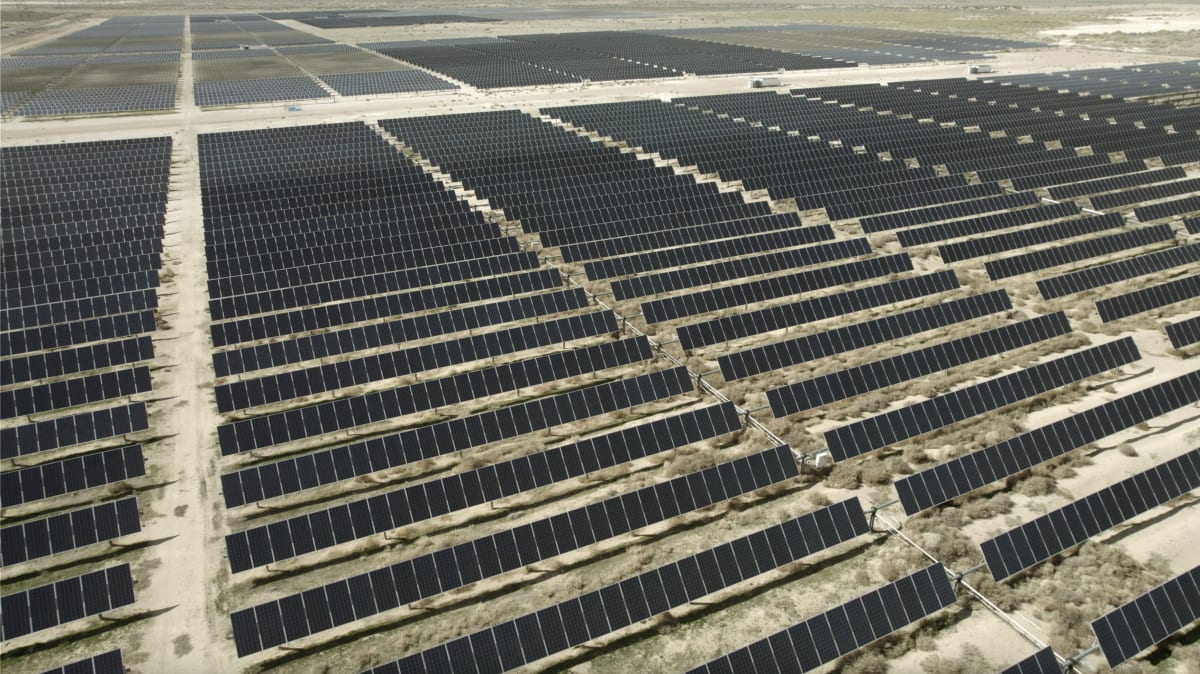
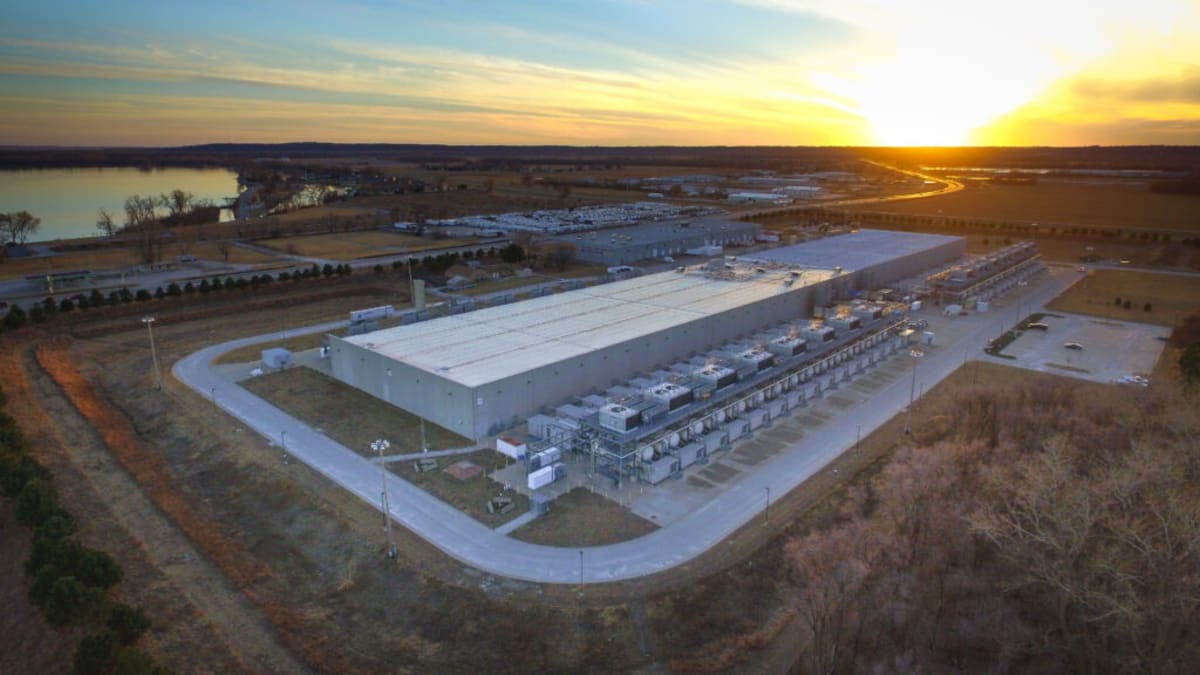
Data centers across America are building their own solar panels and batteries rather than waiting up to 15 years to connect to an overloaded power grid. This workaround is unlocking 56 gigawatts of clean energy and solving two problems at once.
America's power grid has a traffic jam problem, but tech companies just found a shortcut that's greener than anyone expected.
The nation's electricity grid is so backed up that new projects face waits of six to 15 years just to connect. Over 2,200 gigawatts of energy projects are stuck in line, nearly double the country's entire power capacity. But instead of waiting, data center developers are doing something remarkable: building solar panels and batteries right on their property.
As of early 2026, developers planned roughly 56 gigawatts of on-site clean power for data centers nationwide. That's enough to power about 42 million homes, and it accounts for 30% of all planned data center construction.
Texas is leading the charge with over 20 gigawatts of planned on-site capacity, followed by New Mexico with 9.2 gigawatts. Pennsylvania and Utah are also seeing major growth, with 7.5 and 6 gigawatts respectively.
Grid operators are making it easier to go this route. The Southwest Power Pool created a fast-track program that approves connection agreements in under 90 days for data centers that bring their own power generation. That's lightning speed compared to the typical multi-year wait.
Tech giants are also turning homes into virtual power plants. Sunrun, Tesla, and Renew Home announced plans for a massive 16-gigawatt network using home batteries and smart devices to feed power back to the grid. Google partnered with Voltus to aggregate 100 megawatts of flexible energy from existing buildings.
These virtual power plants could unlock up to 200 gigawatts of capacity nationwide by tapping into smart thermostats, home batteries, and other devices people already own. That's the equivalent of adding 200 large power plants without building a single one.
The Ripple Effect
What started as a workaround for impatient tech companies is becoming a clean energy accelerator. Every data center that builds solar panels instead of waiting for grid connection means faster carbon reduction and less strain on aging infrastructure.
The shift is also proving that distributed energy works at scale. When thousands of home batteries team up through virtual power plants, they can replace traditional power plants while giving homeowners control and savings.
This approach is creating jobs in solar installation, battery manufacturing, and energy management software. It's pushing innovation in grid technology that will benefit everyone, not just data centers.
Perhaps most importantly, it's showing that America doesn't have to choose between technological progress and environmental responsibility. The grid delays that seemed like a roadblock turned into a catalyst for cleaner, smarter power systems that can be built in months instead of decades.
Sometimes the best solutions come from solving two problems at once: tech companies get the power they need now, and the planet gets cleaner energy faster than anyone planned.
More Images


Based on reporting by PV Magazine
This story was written by BrightWire based on verified news reports.
Spread the positivity!
Share this good news with someone who needs it