Tech Giants Pledge to Cut Data Center Water Use by 2030
Major tech companies are racing to solve a problem most people don't know exists: data centers guzzle billions of gallons of water each year. Now they're making bold commitments to replenish more water than they use, easing a growing public concern.
The massive computers powering your favorite apps need water to stay cool, and Americans just discovered they're not happy about it.
A recent Gallup poll revealed that seven out of 10 Americans oppose data center development, with water scarcity topping their list of concerns. That wake-up call is pushing tech giants to rethink how they operate.
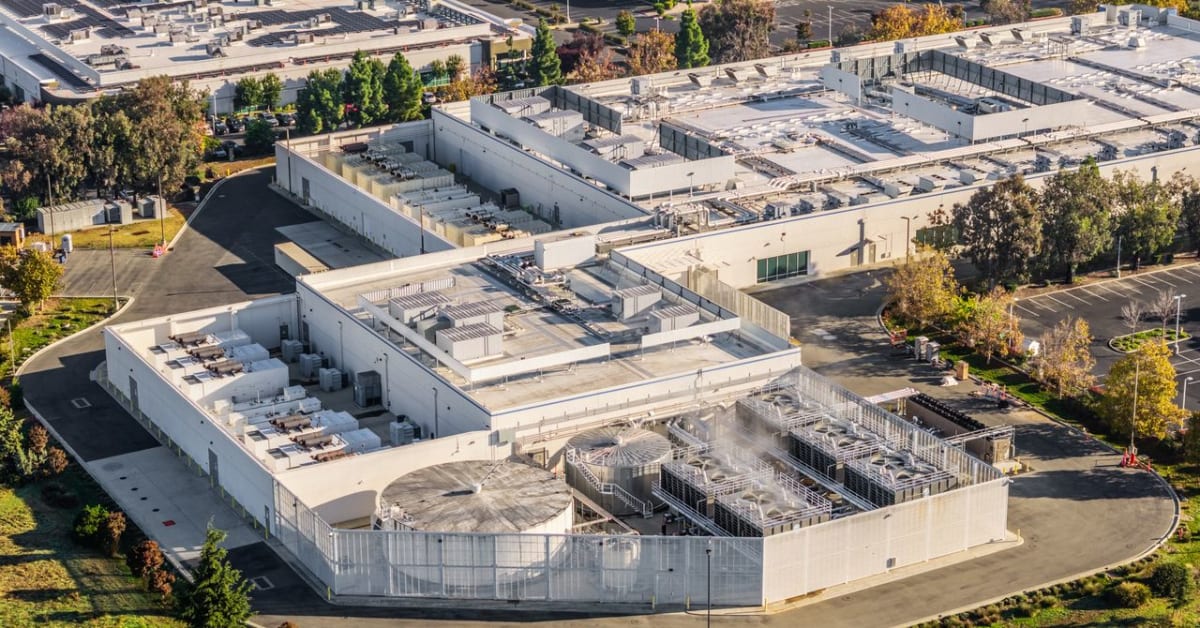
Data centers use water primarily through evaporative cooling, a process where fresh water absorbs heat from server racks and then evaporates into the air. Google's Iowa facility alone consumed over 1 billion gallons in 2024 using this method.
Lawrence Berkeley National Laboratory predicts that without changes, hyperscale data centers could gulp down 33 billion gallons of water annually by 2030. While that's less than agriculture or oil and gas, it becomes critical in drought-prone regions where every drop counts.
The good news? Tech companies are finally taking action.
Microsoft, OpenAI, and Oracle recently announced plans to move away from evaporative cooling entirely. Google took a different approach this week, rolling out comprehensive water commitments for communities hosting their data centers.
The Ripple Effect
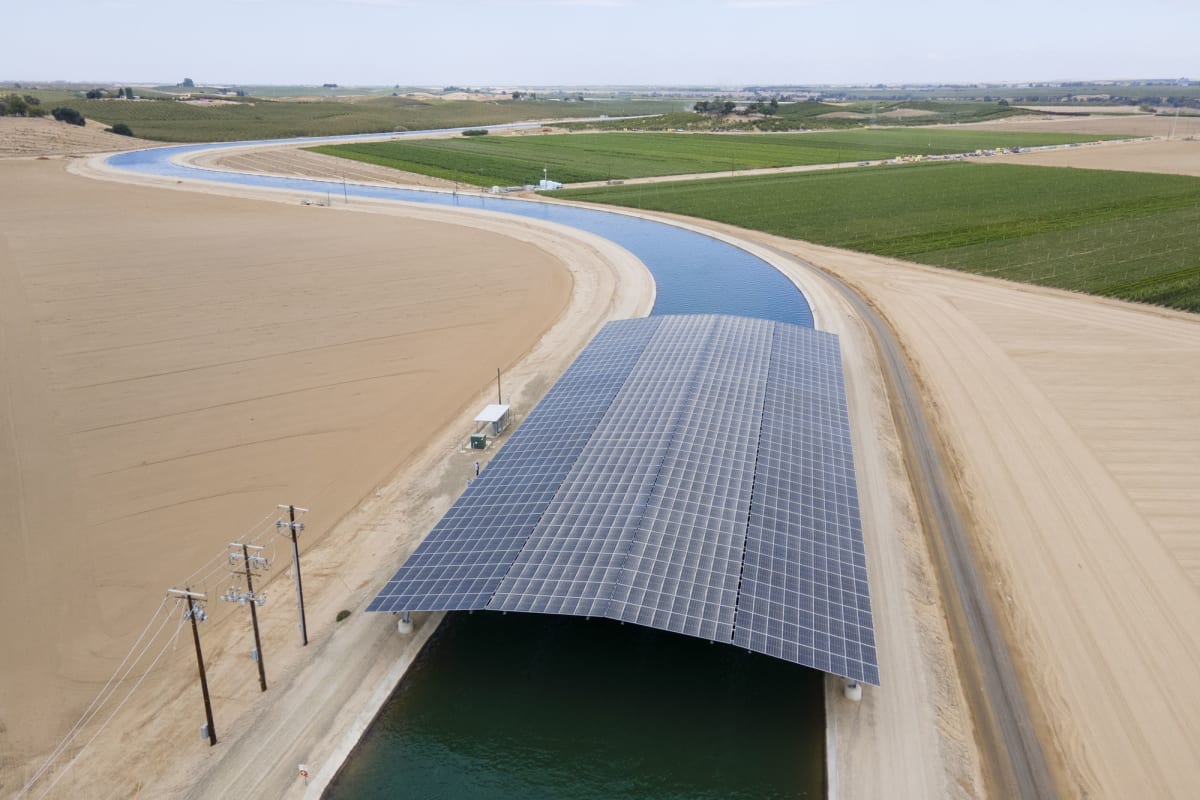
Google's new pledges include replenishing more freshwater than the company consumes through local water projects, scaling up recycled water use, and publicly disclosing annual water consumption. The company is also funding water conservation projects across the US.
Ben Townsend, Google's global head of infrastructure and sustainability, explains that the solution isn't one-size-fits-all. His team now conducts detailed hydrologic assessments at each site to determine which cooling methods work best for local watersheds.
There's an interesting twist. Research from UC Riverside found that strategic use of evaporative cooling in water-rich areas could actually free up 10 to 30 gigawatts of power on stressed electrical grids. That means using water wisely in some regions could reduce overall environmental impact.
The stakes are real. In 2024, Google had to halt plans for a data center near Santiago, Chile, after a court revoked permits over water concerns. Microsoft's internal records show their water use is still climbing despite conservation efforts.
But the momentum is shifting. Companies that once ignored water impact are now investing millions in local watersheds, adopting recycled water systems, and publicly tracking their consumption.
Professor Shaolei Ren from UC Riverside sums it up best: "Water is a highly local, highly regional issue. It's a limited resource, and we have to manage it very carefully." Tech companies are finally listening.
More Images




Based on reporting by Wired
This story was written by BrightWire based on verified news reports.
Spread the positivity!
Share this good news with someone who needs it