Tech Levels Playing Field for African Music Beyond Nigeria
African music is going global, but most of the world only hears Nigeria and South Africa. New technology is finally opening doors for artists across all 50+ nations to share their sounds.
The world is falling in love with African music, but it's mostly hearing songs from just two countries.
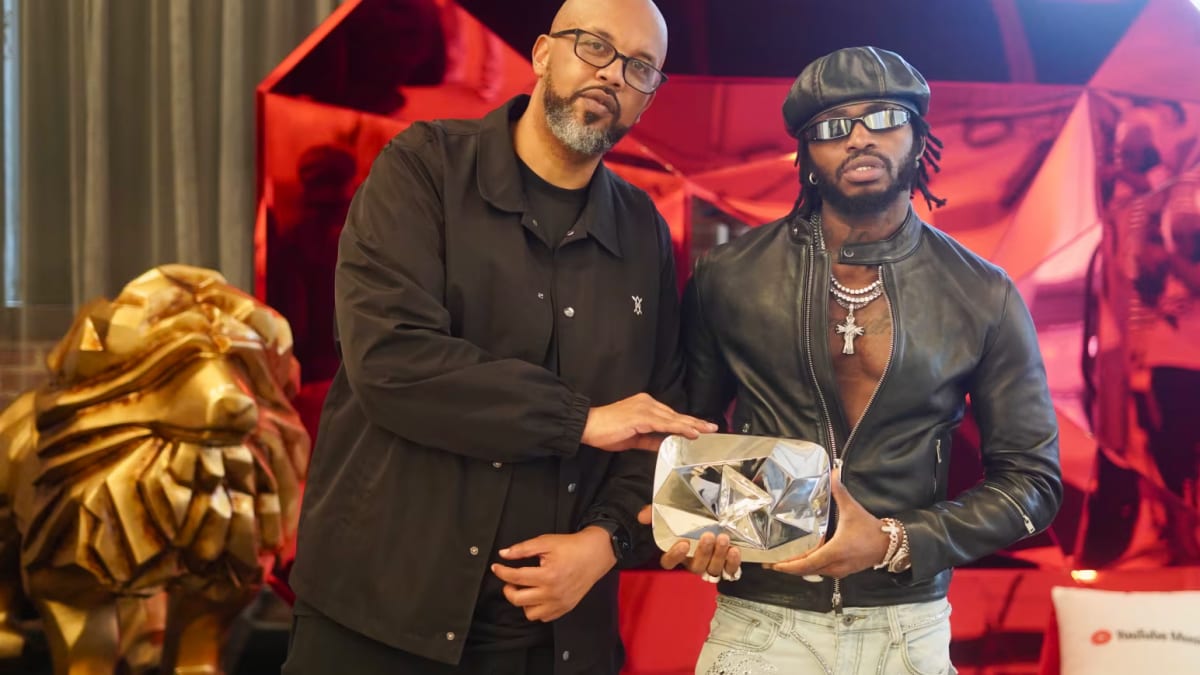
Nigeria's Afrobeats and South Africa's Amapiano have taken over global playlists, yet artists from 50 other African nations remain largely unheard. Tuma Basa, YouTube's former director of Black music and culture, says that's about to change thanks to streaming technology and social media.
"Nigeria and South Africa are dominating the most," said Basa, who recently left YouTube after eight years of championing African artists. English language content and strong diaspora communities have given these countries a head start in reaching international audiences.
South African dance challenges spread like wildfire on social media, while Nigerian and Ghanaian communities in the US and UK bring the music home with them. Events like Lagos's "Detty December" attract Black Americans and Brits who become ambassadors for the sound.
But Basa sees hope for overlooked regions. Cheaper recording technology, global streaming platforms, and social media are breaking down the old gatekeeping systems that kept emerging artists locked out.
The Bright Side
Artists no longer need expensive studios or major label deals to reach global audiences. A musician in Rwanda or Tanzania can now record, distribute, and promote music using the same tools available to artists in Lagos or Johannesburg.
Basa knows about bridging worlds firsthand. Born in the Democratic Republic of Congo to Rwandan parents, raised partly in Zimbabwe, and educated in the US, he describes himself as a "perpetual foreigner" who learned to understand different cultures.
That perspective shaped his work building RapCaviar at Spotify into one of streaming's most influential hip-hop playlists. He pushed African and diaspora sounds to wider audiences while helping launch major careers.
His advice for artists trying to break through? Forget the shortcuts. "Gaming the system is what backfires," Basa said. Instead, he recommends consistency and collaboration as the real path to sustainable success.
When artists work together, they tap into each other's audiences and build momentum organically. Regular releases help fans know they can count on you.
Basa stresses that technology alone won't solve everything. African countries still need better concert infrastructure, touring networks, and royalty collection systems so artists can actually profit from their cultural impact.
More importantly, they need African curators and executives in decision-making rooms at streaming platforms and labels. Without local knowledge, entire regions and genres get overlooked by gatekeepers who don't understand the music.
The global music industry is finally tuning into Africa, and the technology exists for every nation to be heard.
More Images


Based on reporting by Egypt Independent
This story was written by BrightWire based on verified news reports.
Spread the positivity!
Share this good news with someone who needs it