Tech Teams Help Millions Access Food Aid They're Missing
Every year, millions of Americans who qualify for food assistance never receive it because applications are too complex or they don't know programs exist. Now, public interest technology teams are bridging the gap between policy promises and real help.
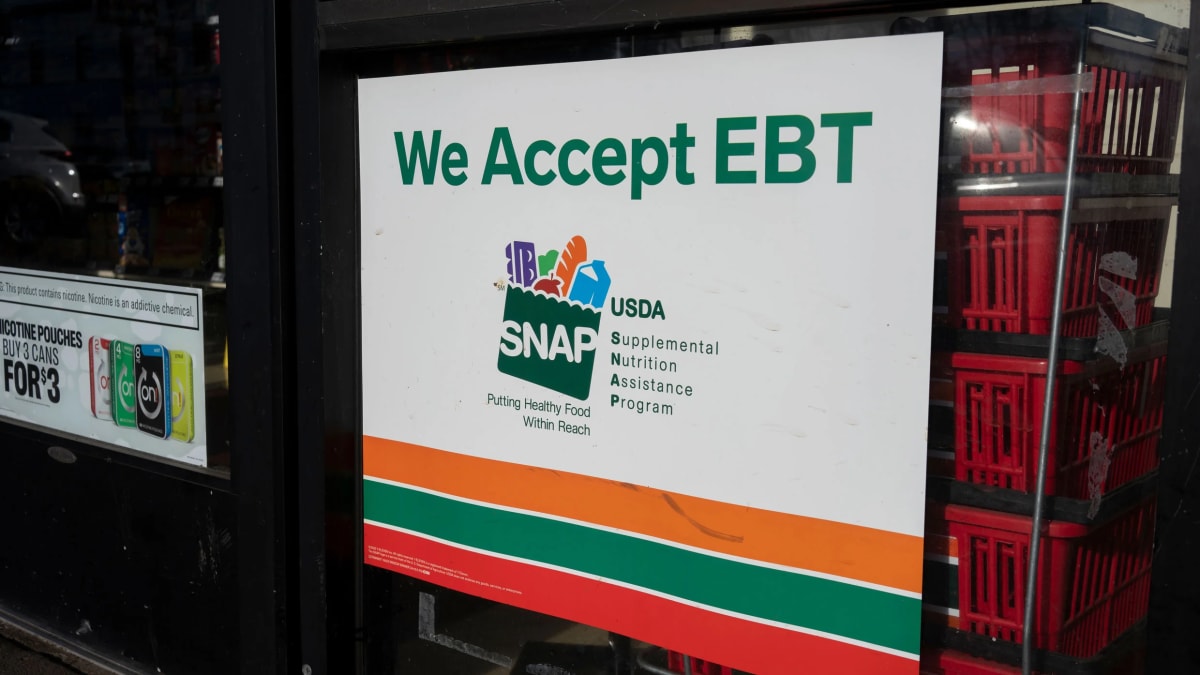
Millions of Americans who qualify for food assistance never get the help they need, even though the money sits waiting and they meet all the rules.
The problem isn't eligibility. It's that applications are too complicated, people don't know programs exist, or the system simply doesn't work for those it's meant to serve.
That's where public interest technology comes in. These teams combine tech experts, designers, social scientists, and community members to fix broken systems and get help to people who need it.
The approach has already prevented children from lead paint poisoning, kept families in their homes during eviction crises, and accelerated disaster recovery after the Los Angeles fires. Real people, real problems, real solutions.
The process starts simple. Teams ask two questions: What system is failing people? And how can we fix it?
Then comes the important part. Unlike typical tech projects, these teams include the people who matter most. Caseworkers know what data can't show. Community members understand daily realities. When they work together with engineers and policy experts, the solutions actually work.
The teams build, test, and rebuild. They make sure the system functions as intended and helps everyone fairly. They catch errors in real world conditions before rolling out widely.
This isn't about fancy apps or complicated platforms. It's about making government programs do what they promised: serve people.
Why This Inspires
Public interest technology proves that complex problems don't need complex solutions. When experts listen to the people they're trying to help and build systems together, bureaucracy transforms into genuine support. Food assistance reaches hungry families. Lead paint gets removed before poisoning children. Disaster victims get help faster when they need it most.
The work shows what's possible when technology serves humanity instead of the other way around. Every simplified form, every clearer website, every streamlined process means someone gets help they desperately need and rightfully deserve.
Communities across America are already using public interest technology to close gaps between policy and reality, turning government promises into delivered support one system at a time.
Based on reporting by Fast Company - Innovation
This story was written by BrightWire based on verified news reports.
Spread the positivity!
Share this good news with someone who needs it