Ted Turner Restored 2 Million Acres After Building CNN
The media mogul who created CNN spent decades buying damaged land and bringing it back to life. His ranches and plantations became proving grounds for restoring bison, endangered woodpeckers, and native forests.
Ted Turner built a television empire with CNN, then spent the rest of his life fixing broken ecosystems across America.
The billionaire who revolutionized 24-hour news became one of the country's largest private landowners, managing roughly 2 million acres. But he didn't just buy the land. He hired teams to restore what had been lost.
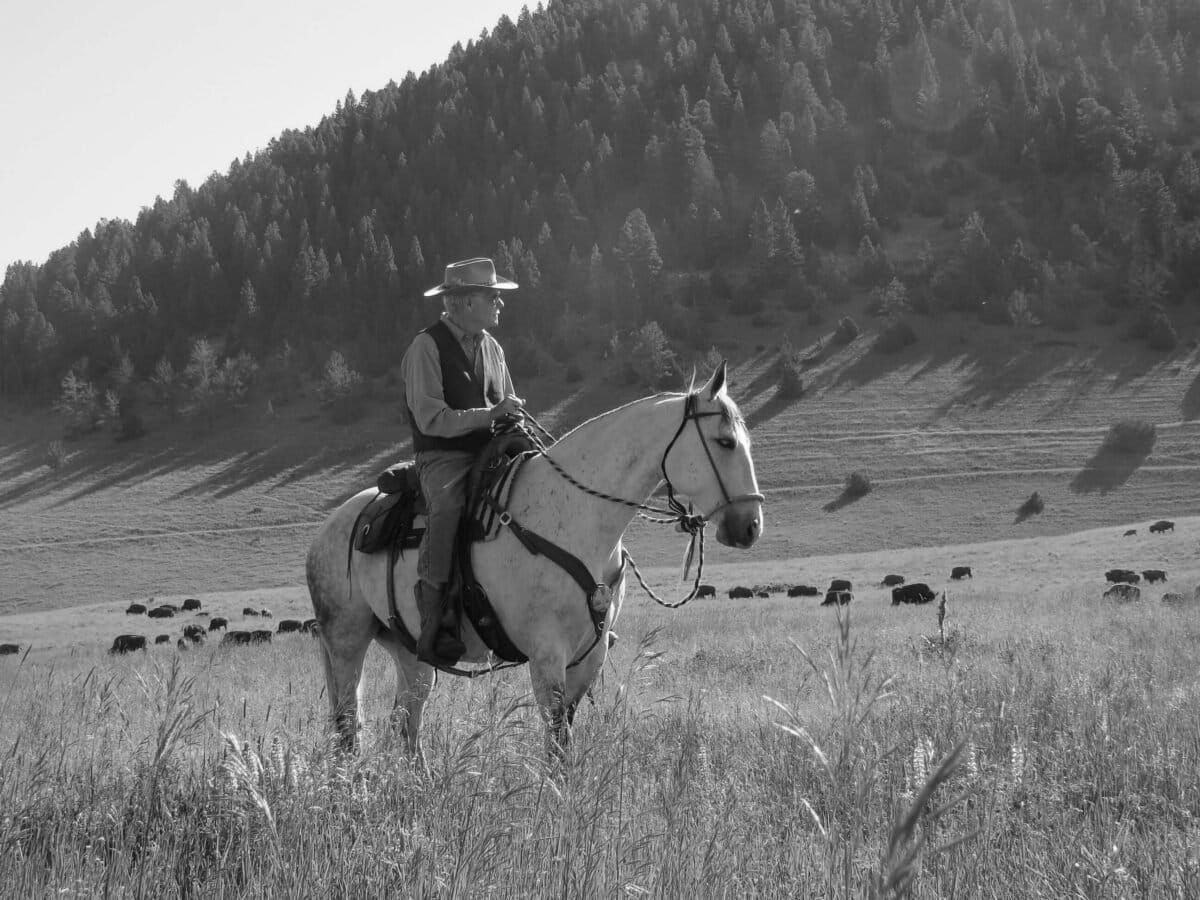
On his Montana ranch, Turner brought back herds of bison that once numbered in the millions before nearly going extinct. His Georgia plantation planted over one million longleaf pines to replace forests that had been completely cleared. At his Florida property, staff worked to save the red-cockaded woodpecker by restoring the native trees the birds needed for nesting.
Turner's approach was simple but radical for a wealthy landowner. "We limit pesticides. We promote natural plant and animal life. Native things. We don't even kill snakes," he explained at his Georgia property.
When he bought Montana's Flying D Ranch, locals worried he'd carve it into suburban lots. Instead, he removed fences and infrastructure to let the landscape breathe. A major watershed project removed invasive fish species and rebuilt habitat to bring back native westslope cutthroat trout.
The work extended beyond his own fences. Turner created foundations that gave hundreds of millions of dollars to environmental groups. He used his public platform to argue that protecting nature wasn't sentimental, it was practical survival.
His relationship with the land evolved over time. Though he remained a sportsman who kept quail plantations and hunting dogs, he stopped killing large animals. "My time for killing has passed," he told friends.
Turner died on May 6th, but his properties remain working examples of what restoration can achieve. Staff continue managing prairie dog populations he fought to protect, maintaining grasslands his bison herds helped heal, and tending forests planted to reverse centuries of damage.
The Ripple Effect
Turner's lands showed that private ownership could serve public good. His projects proved that damaged ecosystems could recover with sustained effort and investment. Watershed restoration on his Montana ranch demonstrated that private conservation work could produce landscape-level healing that benefited entire regions.
His philanthropy funded thousands of environmental organizations, spreading the restoration model far beyond his own properties. The foundations he created continue supporting groups working on climate, biodiversity, and ecosystem health.
Perhaps most importantly, Turner used his fame to reframe conservation as practical problem-solving rather than ideology. He argued that healthy land, clean water, and functioning ecosystems were business fundamentals, not luxury concerns.
His 2 million acres stand as proof that repair is possible, even at massive scale, when someone commits the resources and patience required.
More Images


Based on reporting by Mongabay
This story was written by BrightWire based on verified news reports.
Spread the positivity!
Share this good news with someone who needs it