Ted Turner's Ranch Saved Mexican Wolves From Extinction
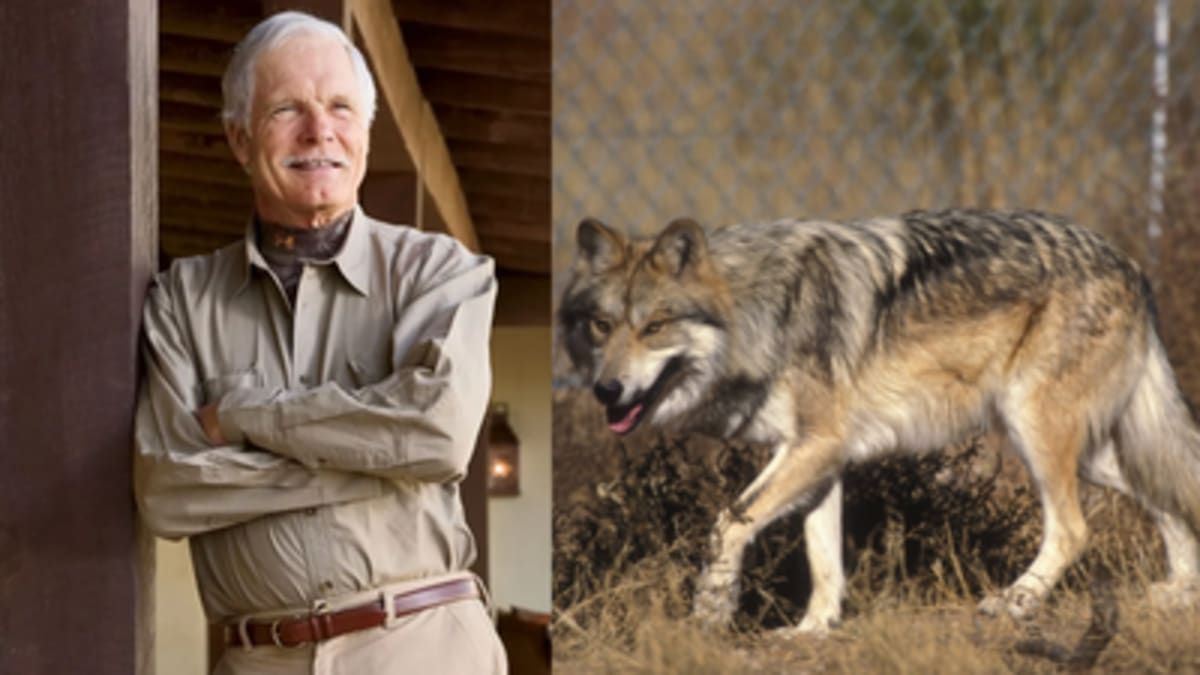
When media mogul Ted Turner opened his New Mexico ranch to endangered Mexican wolves in 1997, he created a lifeline for a species on the brink. Nearly three decades later, his Ladder Ranch remains a cornerstone of one of America's most successful wolf recovery programs.
A billionaire's ranch in the New Mexico wilderness became an unlikely Noah's Ark for one of North America's rarest predators.
In 1997, Ted Turner transformed his 243-square-mile Ladder Ranch into a breeding facility for Mexican wolves, a subspecies driven to near extinction by decades of persecution. Only seven founding wolves existed when conservationists began their desperate rescue effort in the 1970s, capturing the last five wild animals to start a captive breeding program.
Turner's facility gave those efforts critical infrastructure. The ranch became what conservationists call a "halfway house" where endangered wolves could breed, retain natural behaviors, and prepare for release back into the wild.
The timing proved crucial. By 1998, just a year after Ladder Ranch opened its wolf program, the U.S. Fish and Wildlife Service began releasing captive-bred wolves in Arizona and New Mexico.
The ranch partnered with the Turner Endangered Species Fund, which Turner and his family created that same year. Today it operates as one of only three primary pre-release facilities in the Mexican wolf recovery program, housing wolves for breeding, temporarily sheltering animals removed from the wild, and preparing packs for reintroduction.
The work hasn't been simple. Mexican wolves descended from such a tiny founding population that every animal matters for genetic diversity and long-term survival.
In 2021, the ranch took an even bolder step by hosting a translocated wild pack—a mated pair and their pups moved from central New Mexico to boost genetic diversity in wild populations. Federal officials chose the ranch's Seco Creek area for its grasslands, pine forests, abundant elk, and distance from active livestock grazing.
The partnership has weathered local resistance. In 2015, New Mexico wildlife regulators declined to renew the ranch's 17-year permit, though they later reversed course after the U.S. Fish and Wildlife Service called Ladder Ranch "an excellent partner in the recovery of Mexican wolves."
The Ripple Effect
Ladder Ranch demonstrates how private land can become public good without sacrificing its working purpose. The facility also supports recovery programs for Bolson tortoises, black-footed ferrets, and aplomado falcons, creating ripples across multiple endangered species programs.
Turner's decision nearly three decades ago helped pull Mexican wolves back from a genetic bottleneck that could have meant extinction. His ranch proved that conservation and private ranching can coexist when landowners think beyond their fence lines.
The Southwest's wild wolf population grows stronger with each generation, howling proof that bold partnerships can rewrite extinction stories.
More Images



Based on reporting by Google News - Endangered Species Recovery
This story was written by BrightWire based on verified news reports.
Spread the positivity!
Share this good news with someone who needs it