Teen Brain Injury Survivor Now Helps Thousands in Kansas
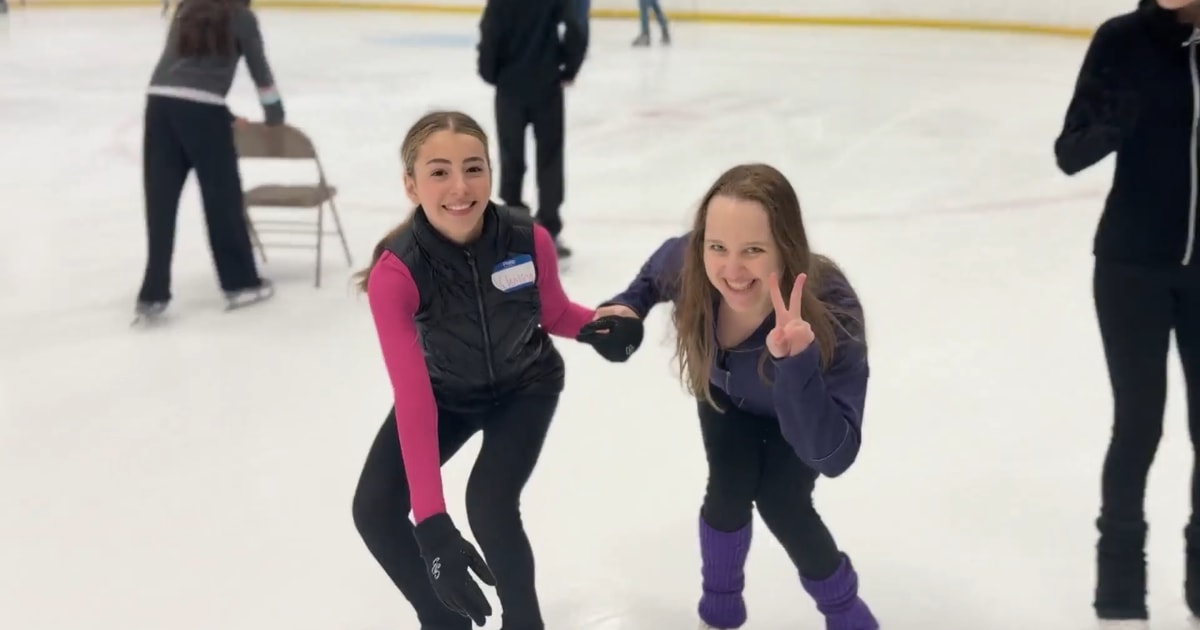
Laura Moore was thrown from a four-wheeler at 16, suffering severe brain damage that doctors struggled to stabilize. Twenty-three years later, she's thriving and leading Kansas's charge to support brain injury survivors.
Laura Moore hit the ground headfirst when her four-wheeler's front axle broke, damaging the parts of her brain that control memory and emotions. Doctors fought to keep the 16-year-old stable as her frontal and temporal lobes swelled.
But Moore had luck on her side. Those brain regions are the last to fully develop, and because she was still a teenager, her brain had room to heal and adapt.
Today, 23 years after the accident, Moore works with the Brain Injury Association of Kansas to help others navigate their own recoveries. She speaks at conferences, supports families, and challenges the misconceptions that make brain injuries so isolating.
"When someone is diagnosed with a brain injury, that doesn't mean that a person will look different, because we don't," Moore explains. "You can't see those struggles."
The invisible nature of brain injuries makes them particularly misunderstood. Over 10,000 Kansans sustained traumatic brain injuries in 2023 alone, and the CDC estimates that 20% of all Kansas residents live with one.
Moore didn't share her story publicly until about 18 years after her injury. At a healthcare provider conference, medical workers who had treated her in the emergency room recognized her from the stage.
The moment was powerful for everyone in the room. Moore finally felt her experience had value, and the providers saw proof that their life-saving work mattered.
Why This Inspires
Moore's advocacy reaches beyond survivors to the people who care for them. She reminds parents and partners that watching someone recover from brain trauma takes tremendous strength, and that caregivers deserve support too.
The Brain Injury Association of Kansas, founded in 1982, remains the only nonprofit in the state solely dedicated to brain injury support. Executive Director Heather Carbaugh notes that current data likely underestimates the problem since non-traumatic brain injuries aren't tracked yet.
This month, BIAKS is hosting its annual conference in Topeka, covering everything from AI's role in rehabilitation to why human connection speeds recovery. The organization moved the event from Kansas City to reach more rural communities facing healthcare shortages.
Moore's message to anyone facing a brain injury is simple but radical: recovery doesn't mean going back to who you were before. "We can do the same things," she says. "We may have to do them different, but we'll figure it out."
Twenty-three years after doctors wondered if she'd survive, Moore is living proof that different can mean thriving.
More Images

Based on reporting by Google News - Recovery Story
This story was written by BrightWire based on verified news reports.
Spread the positivity!
Share this good news with someone who needs it