Teen Builds AI That Found 1.5M Stars NASA Couldn't See
A 17-year-old high school student created a machine learning model that discovered 1.5 million hidden cosmic objects in NASA's archived data. His tool processes stars 53 times faster than humans could and may change how we study the universe.
A teenager from Pasadena just showed the world what happens when you give a curious mind access to 200 billion data points and the freedom to dream big.
Matteo Paz walked into a Caltech lab in summer 2023 as a high school junior with an unusual proposal. His mentor, senior research scientist Davy Kirkpatrick, had planned a modest summer project analyzing a small patch of sky. Paz wanted to scan the entire universe instead.
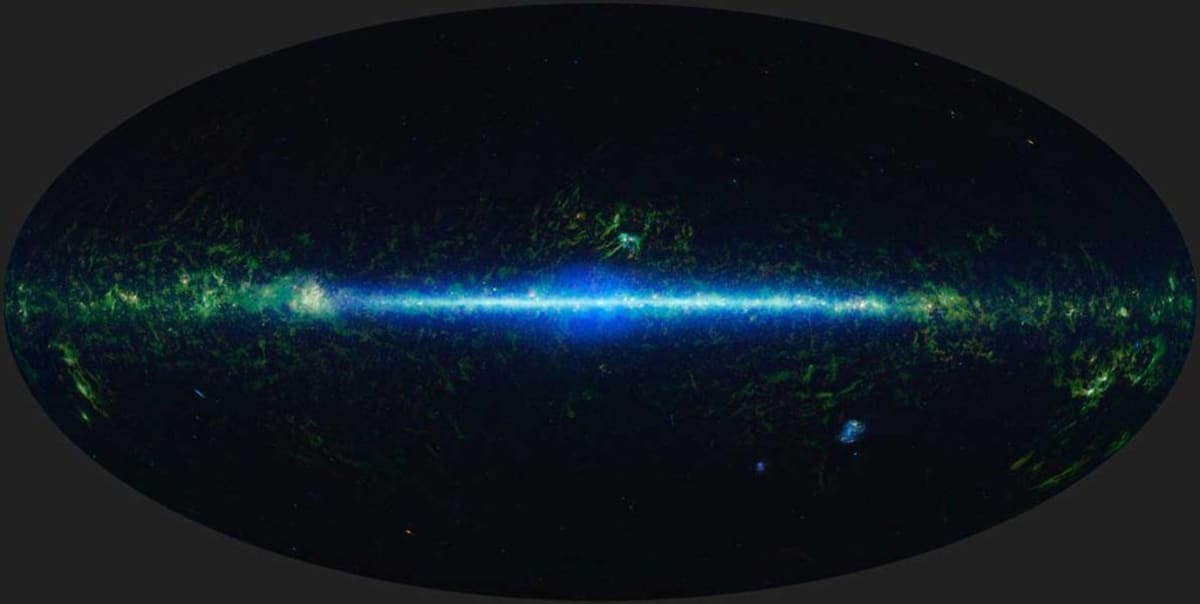
For over a decade, NASA's NEOWISE telescope photographed the sky in infrared, hunting asteroids but capturing everything else too: distant quasars, pulsing stars, and binary systems. When the mission ended in 2024, it left behind nearly 200 billion measurements that no human could review and no existing computer could process efficiently.
Paz, who had completed AP Calculus in eighth grade and taught himself machine learning, saw an opportunity. He built VARnet, an algorithm that could analyze astronomical data at unprecedented speed.
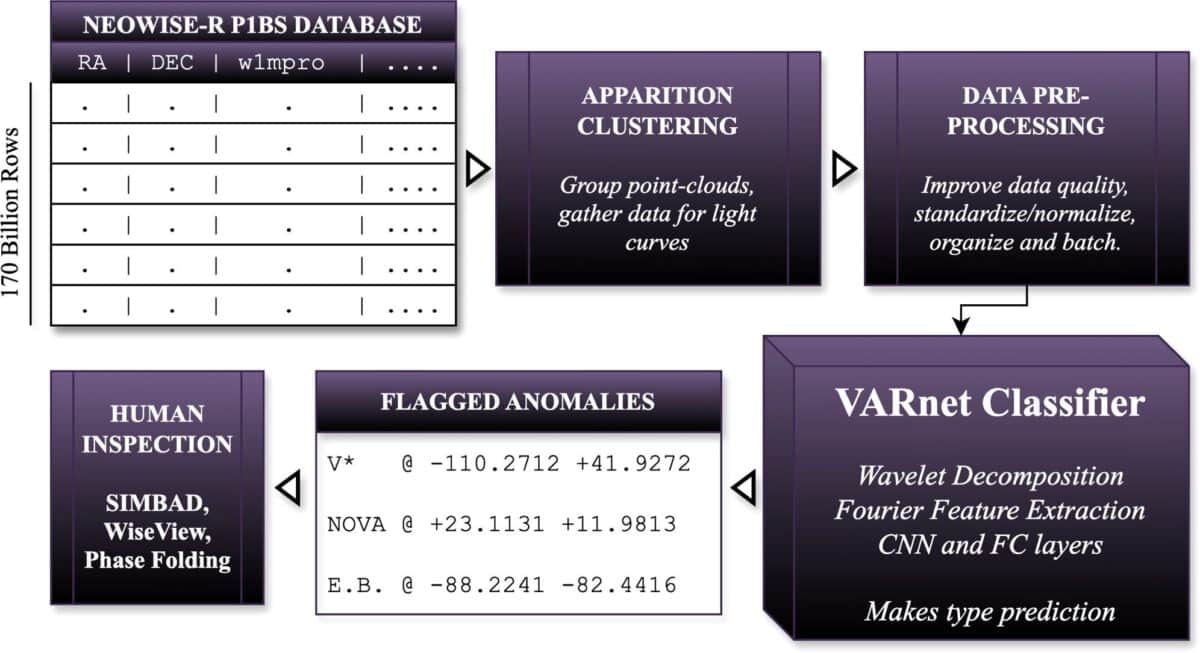
The tool works through three stages. It first filters out errors from cosmic rays and instrument glitches. Then it extracts patterns from irregularly spaced observations, since NEOWISE didn't photograph on a fixed schedule. Finally, a neural network sorts each source into categories: stable objects, explosive events like supernovae, pulsating stars, or eclipsing binaries.
On a single graphics card, VARnet processes each star in less than 53 microseconds. That's 53 millionths of a second per object.
When Paz ran his model across the full NEOWISE archive, it flagged 1.5 million potential variable objects that had been hiding in plain sight. These aren't all confirmed new discoveries yet. Each candidate needs follow-up observation. But the catalog gives astronomers a roadmap to objects worth studying, including many never previously detected.
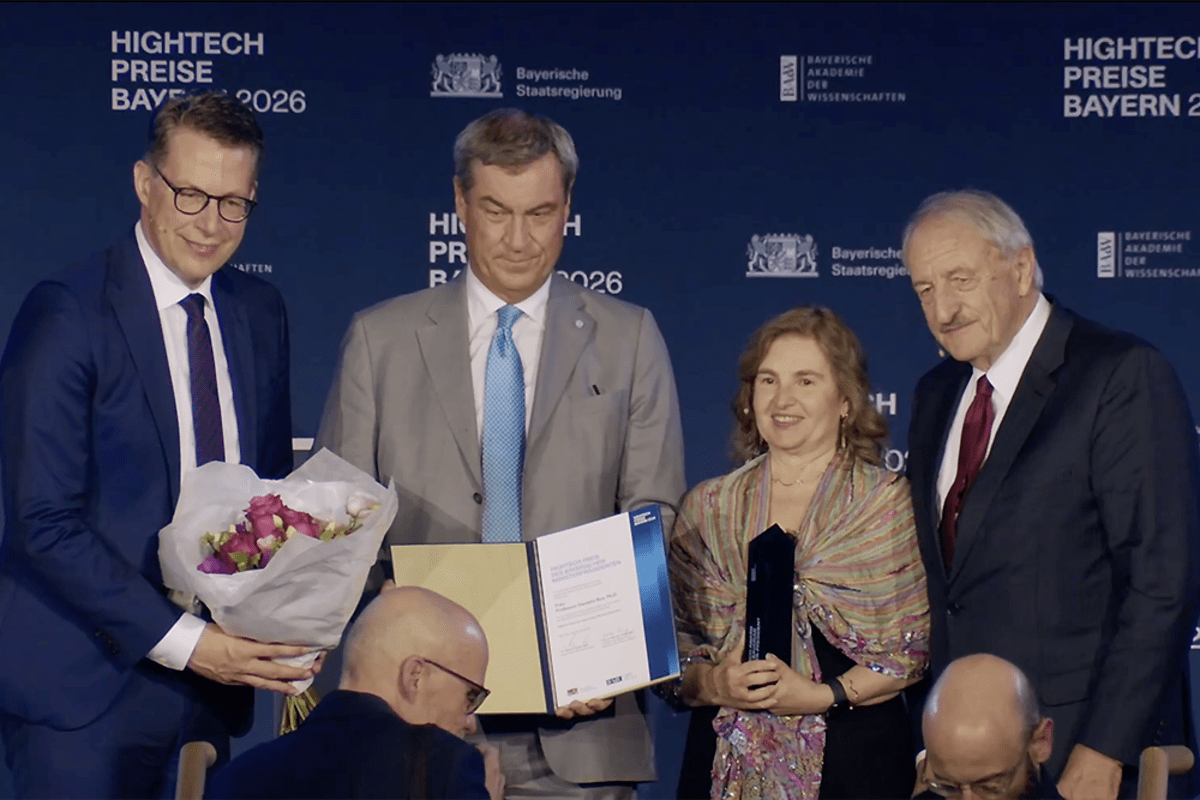
The work impressed his mentors enough that they helped him publish his findings as sole author in The Astronomical Journal in November 2024. At 17, Paz had gone from summer intern to published scientist.
Why This Inspires
Kirkpatrick recognized something in Paz that someone had once recognized in him. Growing up in rural Tennessee, Kirkpatrick became an astronomer because a ninth-grade teacher saw his potential and mapped out the college path he'd need. "If I see their potential, I want to make sure that they are reaching it," Kirkpatrick said.
That mentorship paid forward transformed a modest summer project into a tool that may reshape infrared astronomy. The complete catalog publishes in 2025, giving researchers worldwide a dataset large enough for statistical studies of cosmic variability.
Paz now works at Caltech's IPAC while finishing high school. He sees applications beyond astronomy for his temporal analysis model, from medical charts to financial data, anywhere information arrives over time.
A teenager asked "what if we could see everything?" and built the tool to make it possible.
More Images


Based on reporting by Google News - Science
This story was written by BrightWire based on verified news reports.
Spread the positivity!
Share this good news with someone who needs it