Teen Girls Stop 18 Child Marriages in Bangladesh
A network of youth clubs in rural Bangladesh empowered girls to prevent forced marriages in their own communities. The 12-month pilot program combined financial support with grassroots activism, creating a model that could transform how vulnerable regions tackle this crisis.
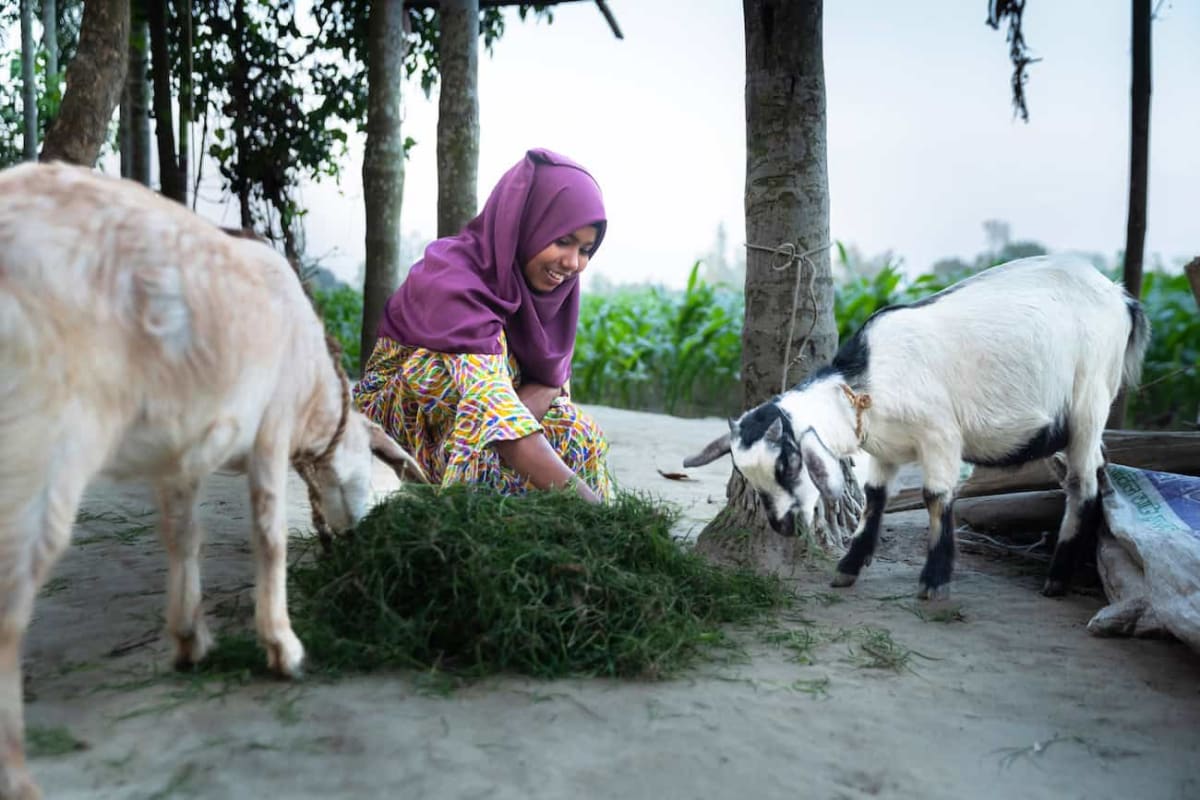
When Romana learned her close friend was being forced into marriage, she didn't stay silent. The teen vice president of her youth club rallied members, confronted the girl's father, and stopped the wedding from happening.
Her story is one of 18 similar victories in Bangladesh's remote Kurigram district, where ActionAid piloted a groundbreaking approach to ending child marriage. The program paired financial relief with youth activism, giving girls the tools and confidence to challenge a practice that affects 51% of young Bangladeshi women.
Child marriage remains legal loophole riddled in Bangladesh despite official bans. Poverty drives the crisis, with families in climate-vulnerable areas seeing daughters as financial burdens. After environmental disasters, some regions report sharp spikes in forced marriages as desperate families seek to reduce expenses.
ActionAid's 12-month initiative addressed both root causes. The charity provided scholarships for 40 at-risk students, covered school fees, and gave lump sum payments to 30 families to start income streams like livestock farming. Money alone wasn't enough though.
The real breakthrough came from establishing youth clubs with 120 members across the district. These safe spaces let girls share experiences, strategize interventions, and take direct action when marriages were being arranged.
Romana's intervention shows how it worked. "We all came together and intervened," she explained. "We explained the harmful consequences of child marriage, emphasised the importance of education and informed her father about the legal implications." The group even recruited teachers to reinforce their message.
The Ripple Effect
The success in Kurigram proves that girls themselves can be the most powerful agents of change when given support. Each prevented marriage means one more girl stays in school, maintains her health, and keeps her childhood.
Abdullah Al Mamun, who leads ActionAid Bangladesh's child rights program, says the charity plans to expand the model to other regions. He's also calling on local authorities to improve law enforcement, using the pilot's success as proof that meaningful progress is possible.
The initiative also generated economic stability for families, showing that addressing poverty and protecting children aren't competing priorities. They're connected solutions that reinforce each other.
For Romana, preventing her own forced marriage and her friend's wasn't just about saying no. It was about building a future where neither needed saving in the first place.
Based on reporting by Positive News
This story was written by BrightWire based on verified news reports.
Spread the positivity!
Share this good news with someone who needs it