Teen Teams Win $100K to Solve Environmental Crises
Seven teams of teenagers from around the world just won $100,000 to turn their environmental solutions into reality. Their innovations tackle microplastics, air pollution, and war rubble with materials as simple as tamarind seeds and coconut shells.
When 18-year-old Arya Satheesh tested water quality in Ireland, she could detect microplastics but couldn't remove them. That frustration sparked a solution now turning heads across the scientific community.
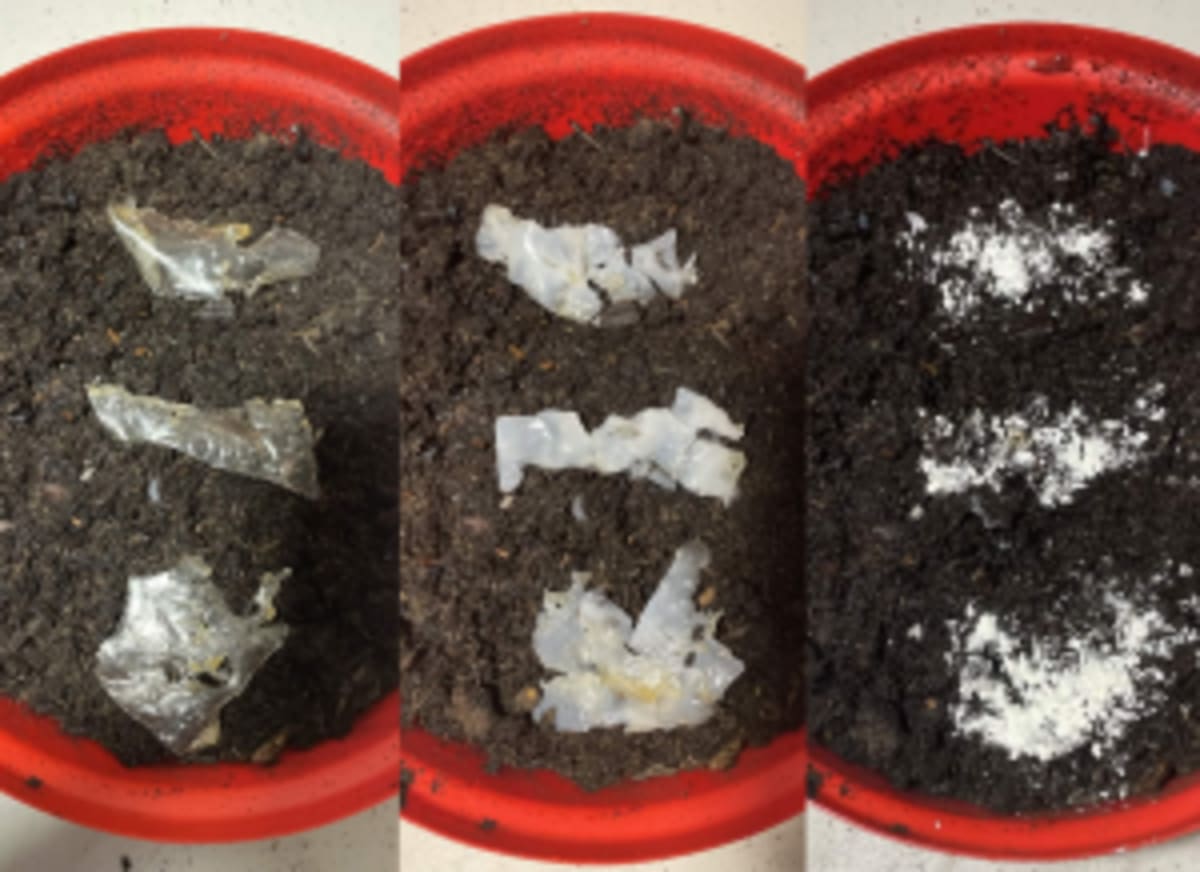
Arya created Eco Purge, a plant-based plastic embedded with enzymes that release as the material breaks down. Those enzymes keep working after release, degrading other microplastics in soil and water long after the original plastic disappears.
She's one of seven regional winners in The Earth Prize 2026, a competition that has engaged over 21,000 students across 169 countries in five years. Each winning team receives $12,500 to develop their solution, with a global winner chosen by public vote on May 29.
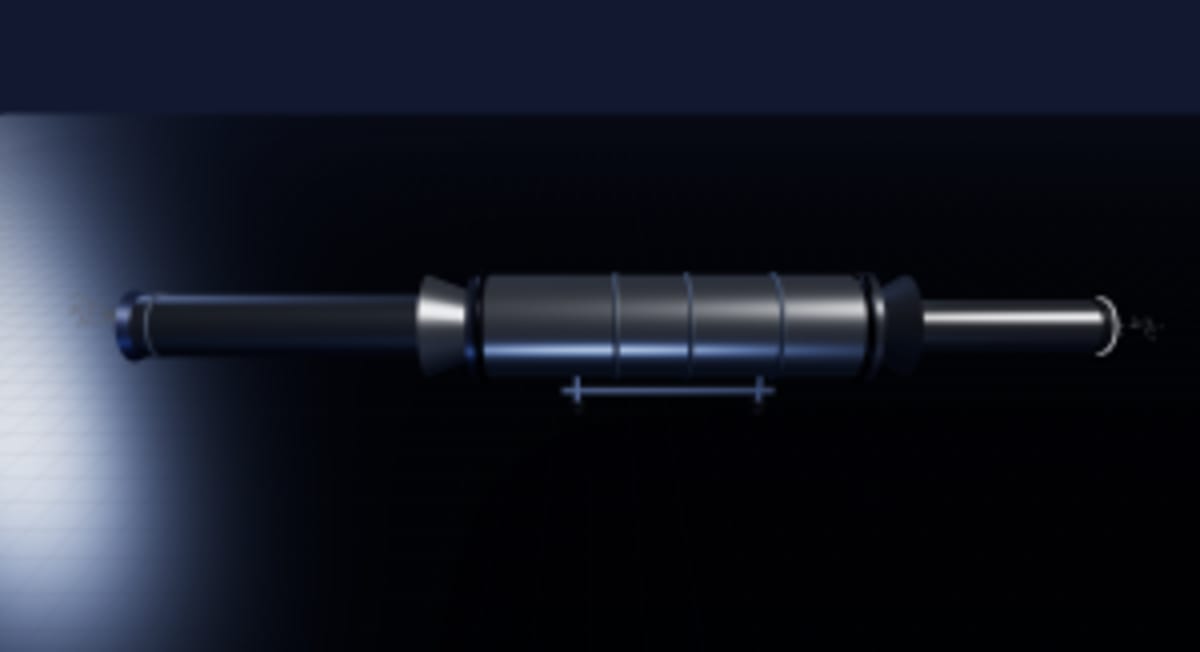
In Kenya, 17-year-olds Fredrick Njoroge Kariuki and Miron Onsarigo built HewaSafi after Fredrick's bronchitis worsened from urban air pollution. Their vehicle exhaust filter uses maize cobs, coconut shells, and algae to capture over 90 percent of particulate matter from minibuses and motorcycle taxis.
The design specifically targets the shared vehicles that most Africans use daily. Its genius lies in the materials: made from agricultural waste, it's too cheap to steal yet effective enough to transform urban air quality.
In Gaza, sisters Tala and Farah Mousa became the first Palestinian winners in the competition's history. Build Hope Palestine turns bombing rubble into non-load-bearing bricks for garden beds and partitions using only locally available binders like clay and ash.
From their tent, they're planning workshops to teach 100 young people the technique. The method requires no heavy machinery and works anywhere buildings have been damaged.
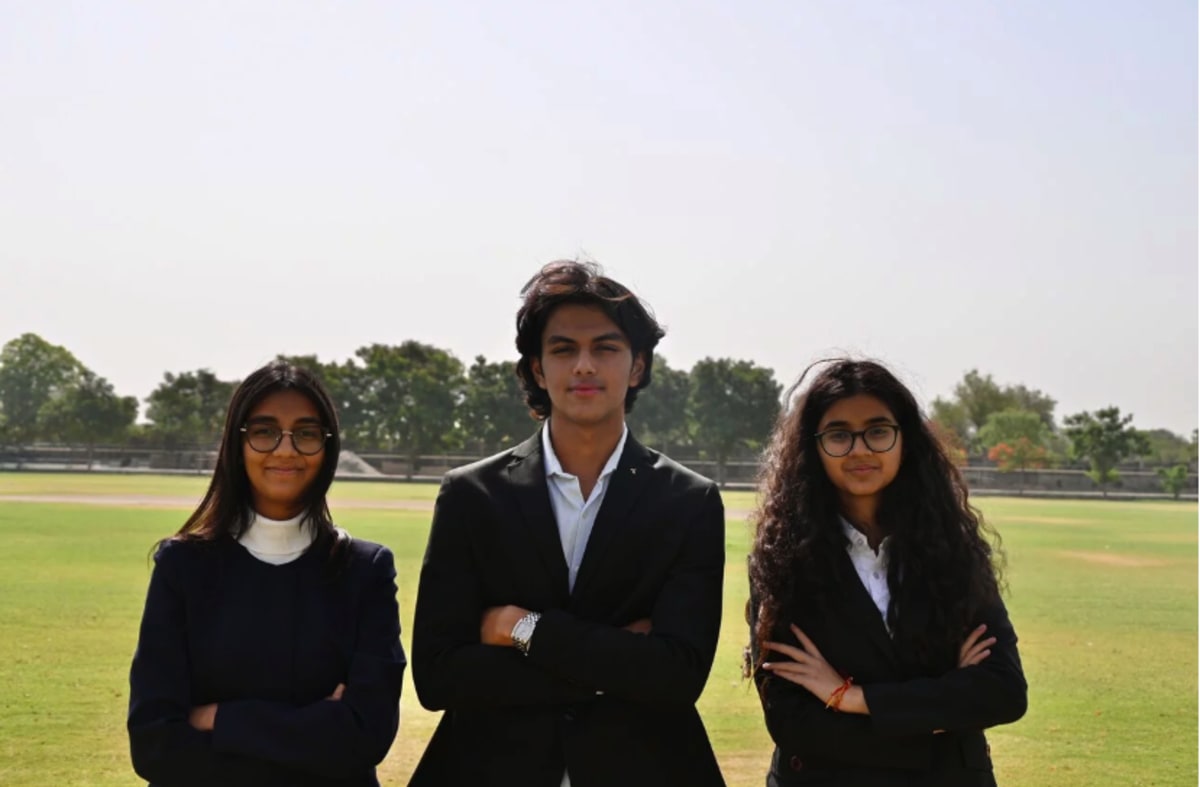
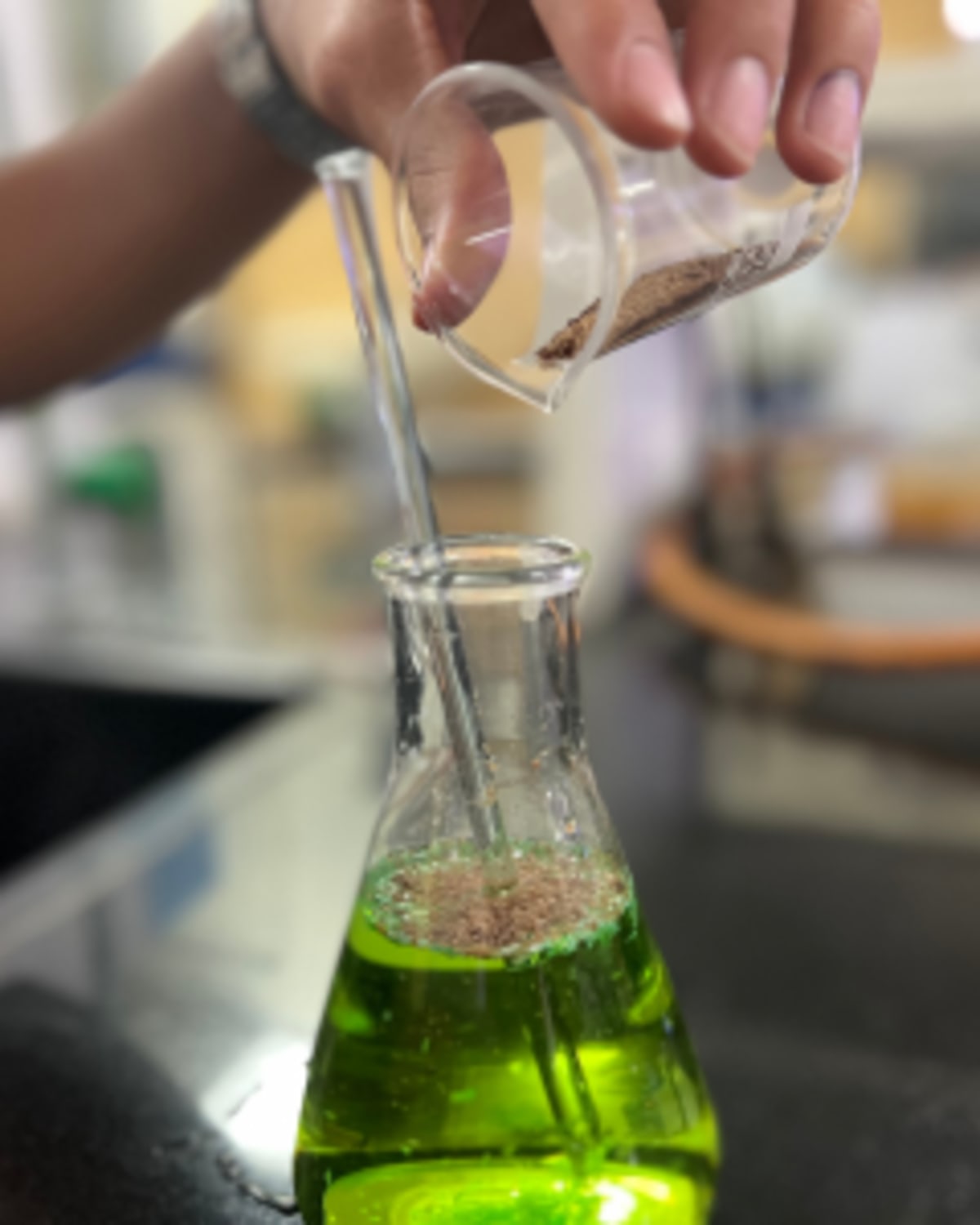
In India, three 16-year-olds witnessed a child drinking unfiltered water from a shared container in a rural village. Vivaan Chhawchharia, Ariana Agarwal, and Avyana Mehta responded by creating Plas-Stick, a powder made from waste tamarind seeds that attracts microplastics in water and clumps them into masses removable with a handheld magnet.
The solution requires no electricity and targets the 2.2 billion people globally without access to safely managed drinking water. The team has already reached over 8,000 students and teachers.
The Ripple Effect
Each solution emerged from direct experience with the problem. Fredrick didn't choose air pollution as an engineering challenge; it was making his bronchitis worse. The Indian team designed their filter after watching a child drink contaminated water.
The Earth Prize's five-year track record proves a simple truth: the people closest to environmental problems often build the most practical fixes. These aren't theoretical solutions from distant labs but tools designed by those breathing polluted air, drinking contaminated water, and living among rubble.
With university partnerships secured and pilot tests completed, these teams are moving beyond prototypes into communities that need them most.
More Images

Based on reporting by Optimist Daily
This story was written by BrightWire based on verified news reports.
Spread the positivity!
Share this good news with someone who needs it