Teen Turns High School Project Into Ocean Cleanup Empire
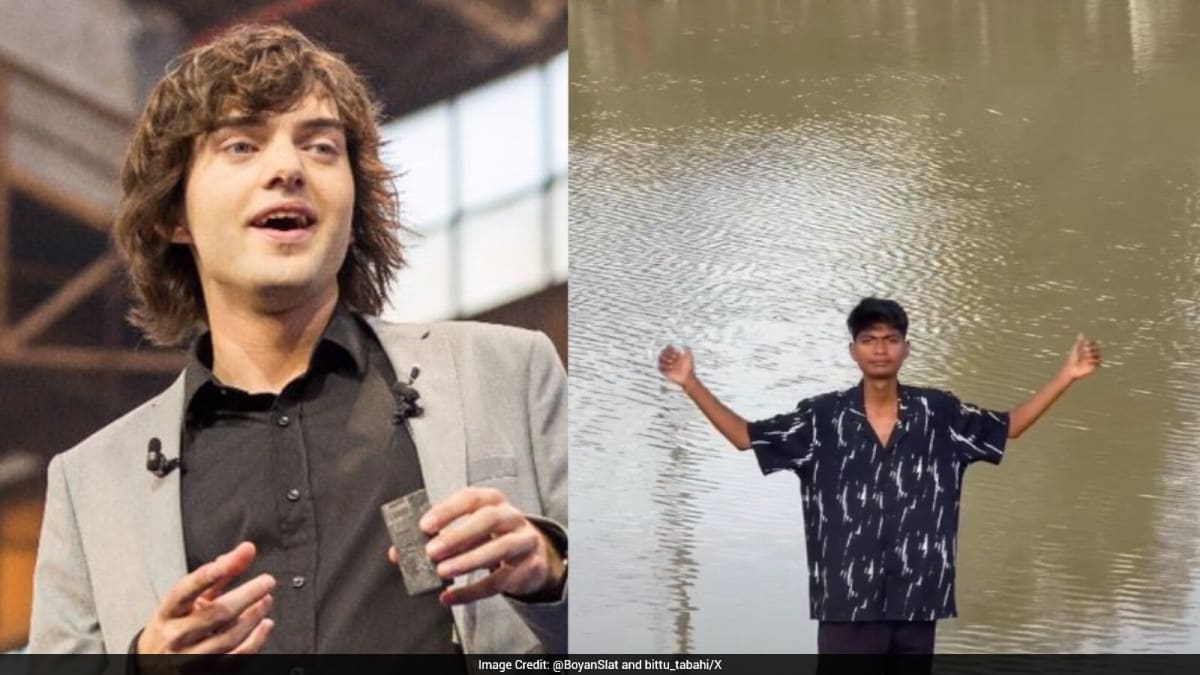
At 16, Boyan Slat saw more plastic than fish while diving in Greece and decided to do something about it. His high school project became The Ocean Cleanup, now removing tons of trash from the world's oceans.
When Boyan Slat went diving in Greece as a teenager, he expected to see colorful fish and coral. Instead, he found himself swimming through clouds of plastic bags.
The contrast hit him hard. Humanity was sending rovers to Mars, yet massive islands of garbage were floating in Earth's oceans with no real solution in sight.
Back home in the Netherlands in 2011, the 16-year-old channeled his frustration into a high school research project. While others proposed sending ships to chase down debris, Slat had a different idea: let the ocean do the work.
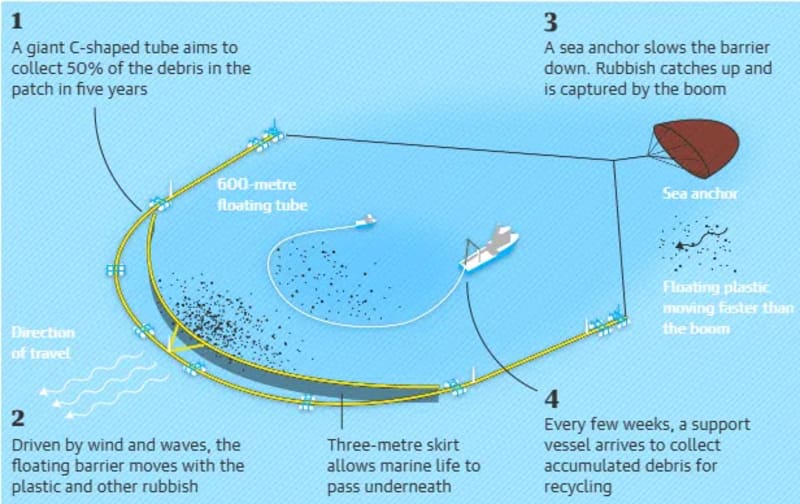
He designed a passive system that would use natural ocean currents to concentrate floating plastic, then collect it. Think of it like a giant pool skimmer, but for the Pacific Ocean.
At 18, Slat shared his vision at a TEDx talk that eventually went viral online. The momentum was real: a crowdfunding campaign raised $2.2 million from 38,000 people across 160 countries.
Slat made a bold choice. He dropped out of his aerospace engineering program with just €300 in his pocket and threw everything into making his idea real.
The path wasn't smooth. Early prototypes failed in harsh ocean conditions, with plastic slipping through barriers and components breaking apart. Each setback meant going back to the drawing board.
By 2019, a redesigned system finally proved it could collect plastic consistently. In 2021, one operation pulled 20,000 pounds of ocean waste from the water in a single run.
The Ripple Effect
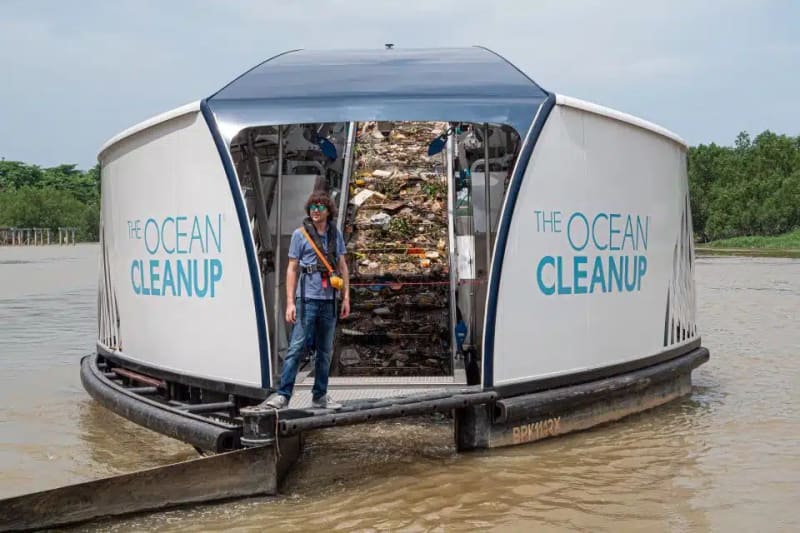
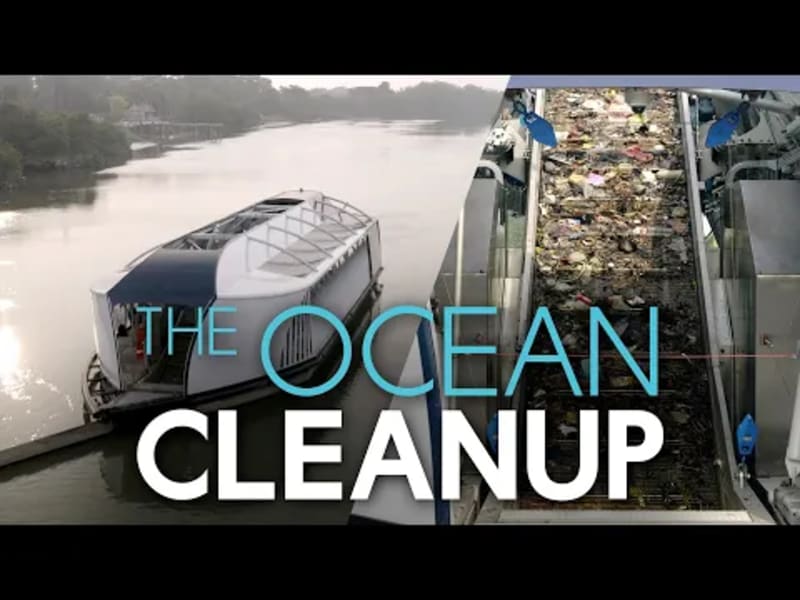
The Ocean Cleanup has grown to more than 120 employees from over 30 countries. The organization discovered that roughly 1,000 rivers dump 80% of ocean plastic, so they created the Interceptor: a solar-powered barge that catches trash in rivers before it reaches the sea.
The dual approach tackles both new pollution flowing from rivers and the massive garbage patches already floating in the ocean. Slat's goal is to remove 50% of the Great Pacific Garbage Patch within five years and 90% by 2040.
The United Nations recognized his work by naming him its youngest-ever Champion of the Earth. What started as one frustrated teenager's school project has become a global movement proving that young people with big ideas can create real change.
Slat believes the operation will eventually pay for itself by recycling the collected plastic into new products.
More Images

Based on reporting by Google News - Ocean Cleanup
This story was written by BrightWire based on verified news reports.
Spread the positivity!
Share this good news with someone who needs it