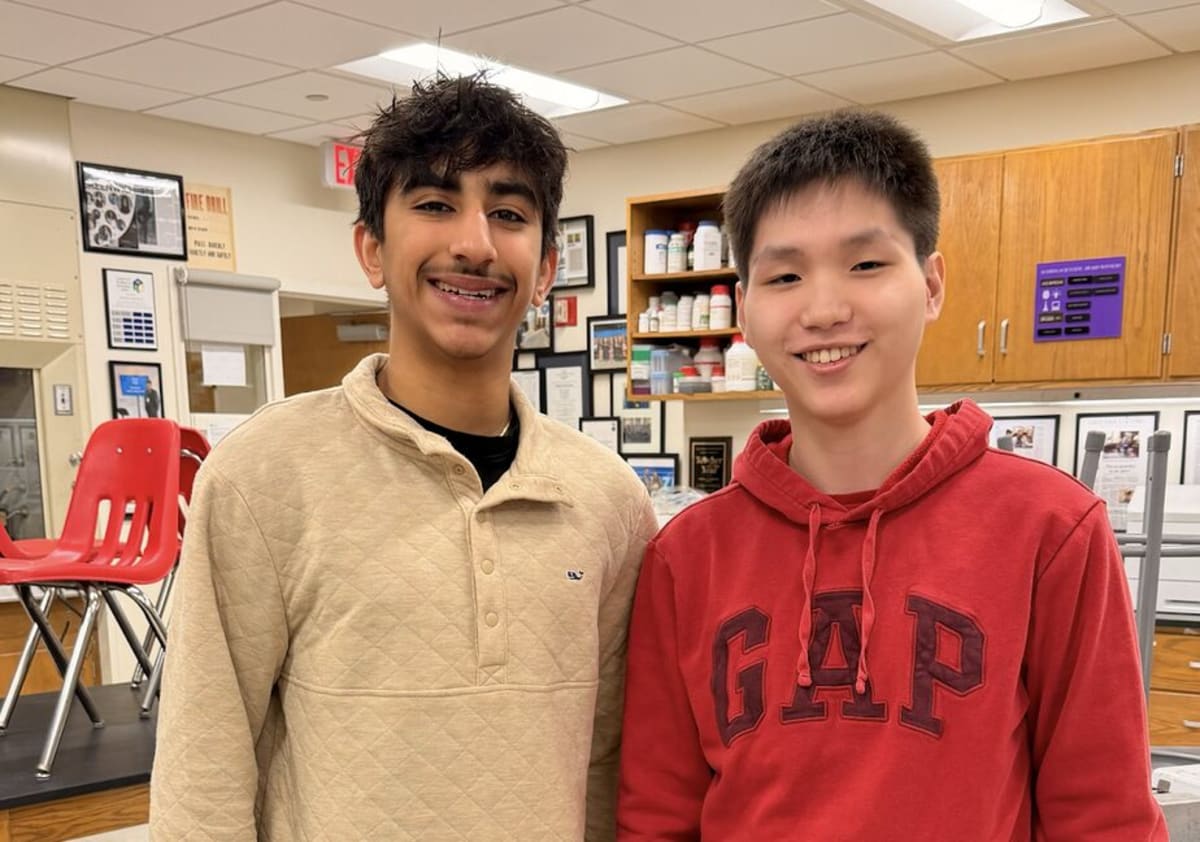
Teen Wakes at 3AM to Build AI Drones, Wins Top Honor
Greenwich High senior Henry Jin spent months waking up at 3:00am to perfect an AI system that teaches drones to fly themselves through unpredictable conditions. His breakthrough earned him recognition as a Top 300 Scholar in the nation's most prestigious high school science competition.
While his classmates slept, Henry Jin was already three hours into his workday, training artificial intelligence to navigate the real world.
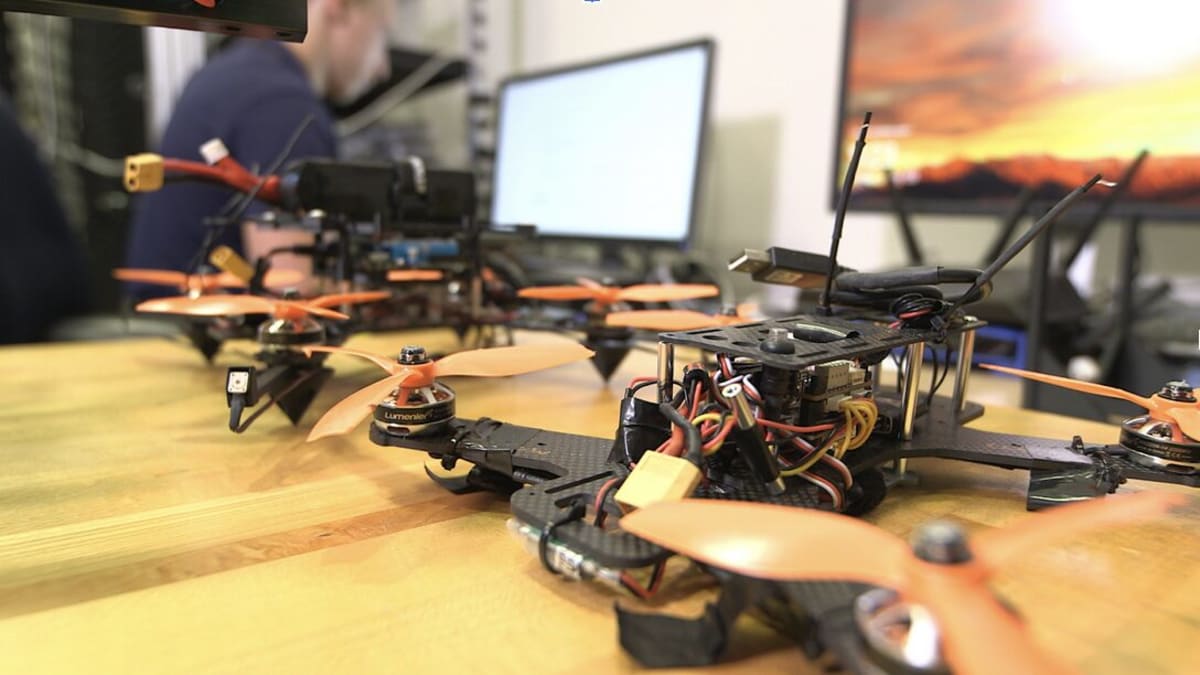
The Greenwich High School senior set his alarm for 3:00am every morning, opened his laptop in the dark, and ran simulation after simulation. His goal was ambitious: teach a drone to fly itself from point A to point B with no pilot, no remote control, and no human intervention.
That relentless routine paid off. Jin earned recognition as a Top 300 Scholar in the Regeneron Science Talent Search, the nation's most prestigious science competition for high school seniors.
Jin tackled what robotics experts call the "sim-to-real gap." AI systems can master perfect simulations, but they fail when real-world conditions like wind and air pressure throw them off course.
His solution was counterintuitive. Instead of creating more realistic simulations, he made his AI adaptable by constantly changing the training environment. Wind speeds increased unpredictably. Conditions shifted without warning. The drone had to learn on the fly.
"It's like training a system to play a game," Jin explained. "You gain points if you win, lose points if you crash." Over thousands of attempts, the AI learned what worked. By the end of training, his simulated drone could navigate through 60 mile-per-hour wind gusts.
The breakthrough actually came from failure. During junior year, Jin tried moving his simulation-trained drone into the real world. It crashed spectacularly. Instead of quitting, he used that setback as his starting point and completely redesigned his approach.
His schedule required serious discipline. After his 3:00am research sessions, Jin mentored middle school students in Greenwich High's Junior Innovators program before starting his own seven-hour school day packed with rigorous courses. Free periods meant more debugging. Evenings brought homework, then more research until 10:00pm.
"A lot of hours," Jin said simply.
Why This Inspires
Jin's story shows what happens when curiosity meets persistence. He didn't need expensive equipment or a fancy lab. He needed dedication and the willingness to learn from failure.
Greenwich High's Science Research Program, led by teacher Andy Bramante, gave Jin the structure and mentorship to transform an idea into serious scientific work. The program encourages older students to guide younger researchers, creating a cycle of innovation.
The practical applications are enormous. Autonomous drones trained this way could assist with search and rescue missions, disaster response, environmental monitoring, and medical deliveries in remote areas.
What started as a high school experiment at 3:00am could one day save lives in emergencies where every second counts and human pilots can't reach.
More Images
Based on reporting by Google News - School Innovation
This story was written by BrightWire based on verified news reports.
Spread the positivity!
Share this good news with someone who needs it