Teens Crack Language Codes at North America's Biggest Contest
Hundreds of middle and high school students are solving intricate language puzzles that reveal how human communication works, inspiring the next generation of AI innovators and language preservers. The North American Computational Linguistics Open Competition has celebrated 20 years of turning curious students into computational linguists.
More than 250 students across the U.S. and Canada just competed in a competition that asks them to decode languages they've never seen before, using only logic and pattern recognition.
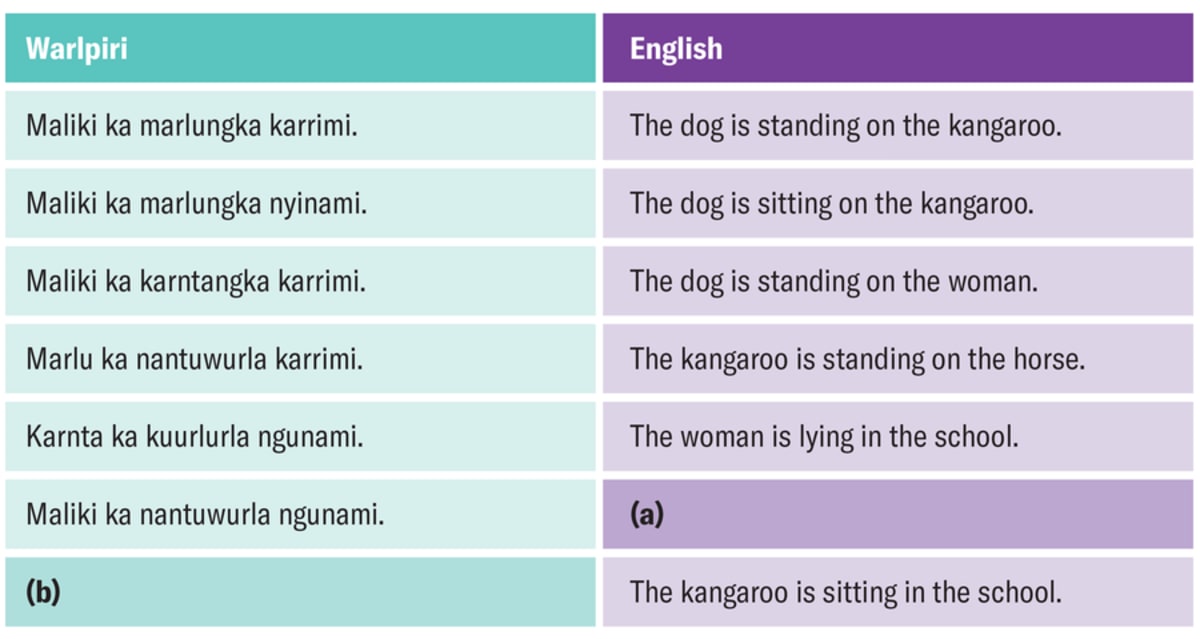
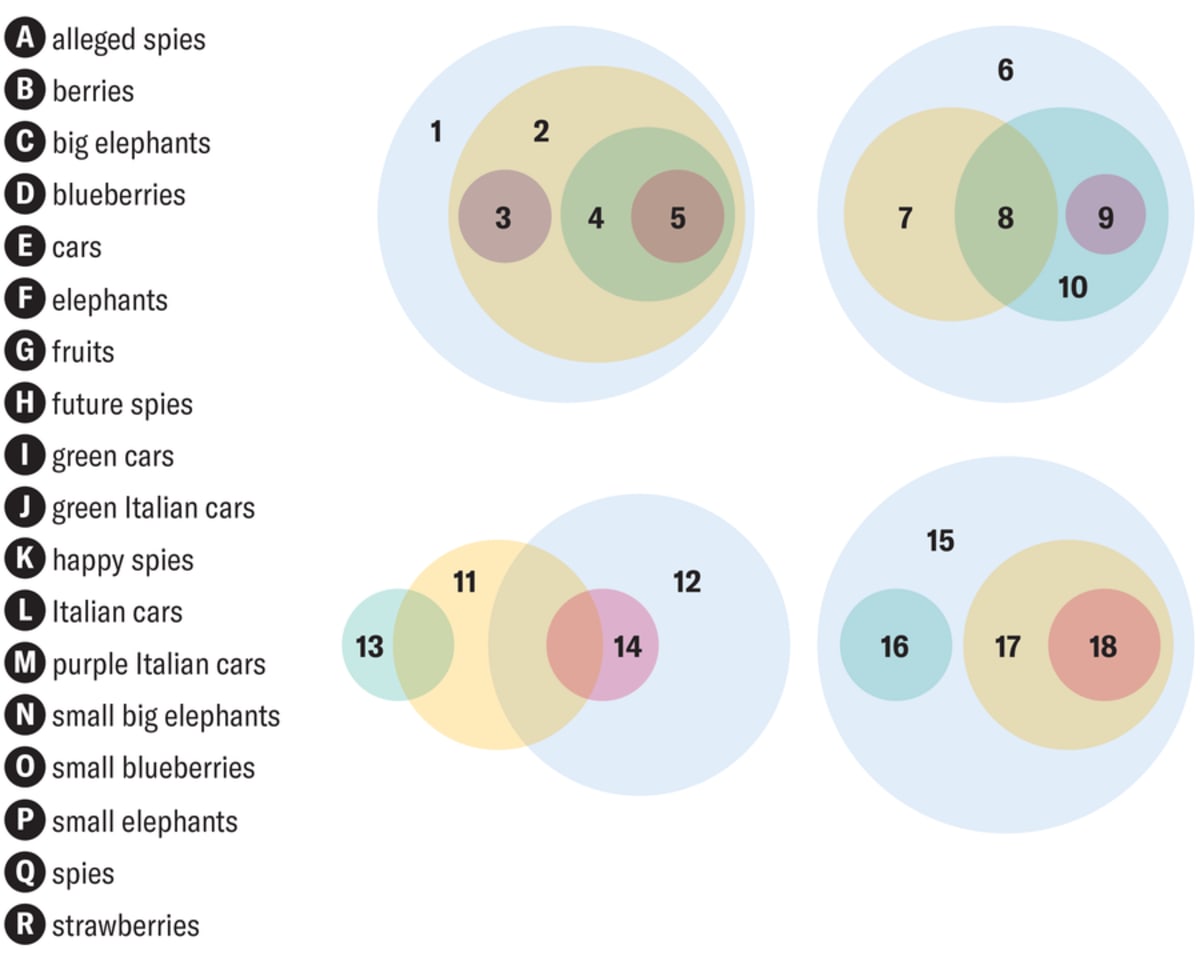
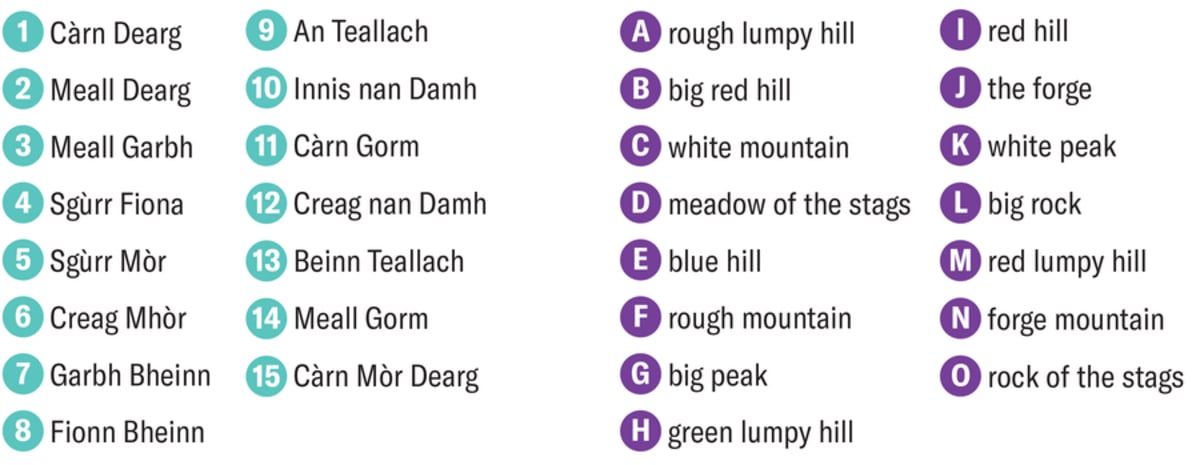
The North American Computational Linguistics Open Competition (NACLO) challenges young minds to solve puzzles involving everything from Australian Aboriginal languages to mathematical word sets. Students analyze sentence structures, spot patterns, and crack codes without any prior knowledge of the languages they're working with.
This year marks NACLO's 20th anniversary of introducing teenagers to computational linguistics, a field that sits at the intersection of human language and computer science. The competition draws participants from more than 200 host sites, with top scorers advancing to represent North America at the International Linguistics Olympiad in Romania this July.
Tom McCoy, a Yale researcher who won NACLO as a student and now helps organize it, credits the competition with his entire career path. "I would have never learned about the field in time to join it if not for having done that in high school," he says.
The timing couldn't be better. Computational linguistics has exploded in relevance as the same principles these students learn power ChatGPT and other AI language models. Lori Levin, who co-founded NACLO at Carnegie Mellon University in 2007, sees the field as a two-way street: computers help us understand human language, and studying human language helps us build better AI.
But the impact goes beyond tech careers. Many past participants have gone on to study mathematics, chemistry, physics, or become teachers like 2020 winner Cerulean Ozarow, who now teaches math at Hunter College High School.
The Ripple Effect
The competition runs entirely on volunteer work, driven by organizers who believe every student deserves exposure to how language works. Most schools don't teach linguistics at all, which means NACLO puzzles often provide students their first glimpse into the hidden structures that make communication possible.
Levin's favorite moments come from "seeing the lights go on" when students discover something new about how languages can work. The organizers are planning to add an introductory round with more accessible questions to reach even more curious minds.
The work also supports endangered language preservation. Levin uses computational techniques to document languages at risk of disappearing, ensuring these unique ways of understanding the world aren't lost forever.
These teenagers aren't just preparing for careers in AI—they're learning to see patterns, think critically, and appreciate the beautiful complexity of how humans connect through words.
More Images
Based on reporting by Scientific American
This story was written by BrightWire based on verified news reports.
Spread the positivity!
Share this good news with someone who needs it