Teen's Ocean Cleanup Robot Removed 11.5M Kilos of Plastic
A teenager with no degree and €300 built floating barriers that now capture ocean plastic across the world. His organization has pulled more than 11.5 million kilograms of trash from oceans and rivers.
When Boyan Slat sketched his first ocean cleanup design at 16, adults told him it was impossible. He had no engineering degree, no funding, and no track record, just an idea to scoop plastic from the Great Pacific Garbage Patch with floating barriers.
That school project became The Ocean Cleanup, a nonprofit now employing over 120 people from 30 countries. Slat left college with roughly €300 and a determination to turn his drawings into working hardware that could drift with ocean currents and corral plastic into collection points.
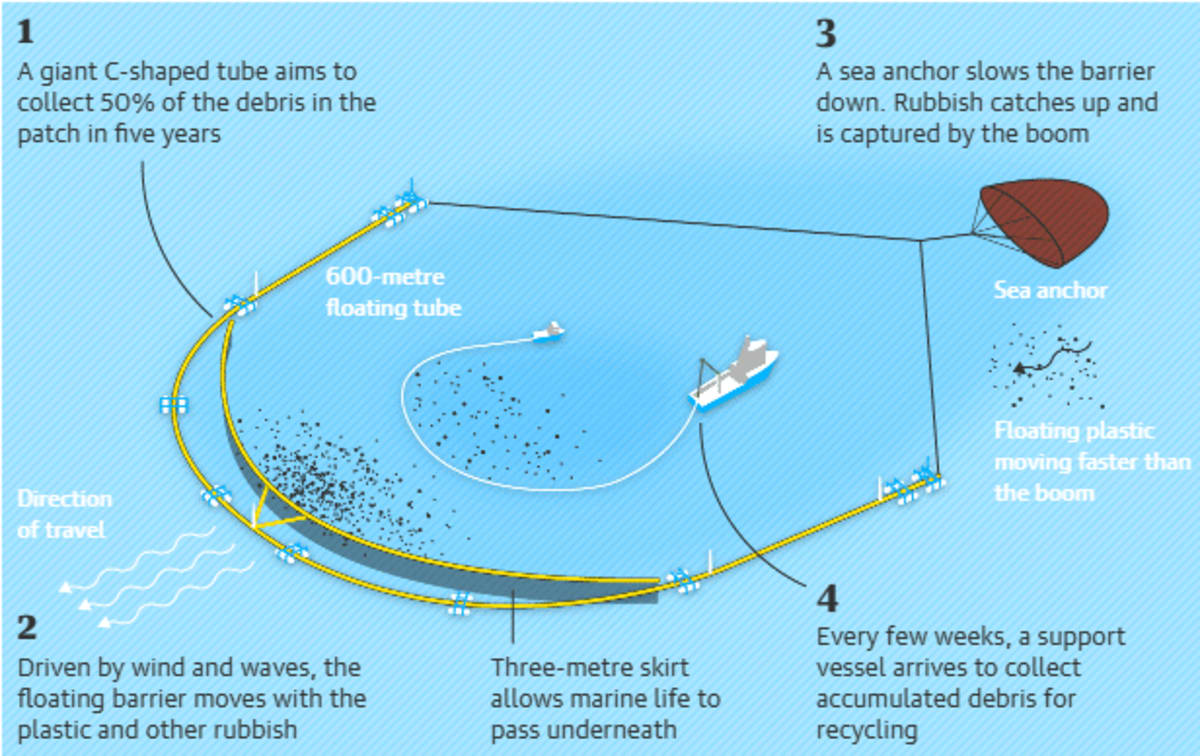
The early years were humbling. Barriers broke in harsh waves, plastic slipped underneath systems, and each failure meant starting over with new prototypes. But in 2019, a redesigned system finally achieved sustained plastic collection in the Great Pacific Garbage Patch.
By 2021, one operation pulled 20,000 pounds of discarded plastic from the ocean in a single haul. The team had proven the concept worked at scale, using natural ocean forces to passively catch debris without fuel or active propulsion.
Then the research revealed a harder truth. Slat and his team published a study showing that over 1,000 rivers dump 80 percent of ocean plastic, with up to 2.7 million metric tons entering the sea each year. Cleaning the ocean wouldn't matter if rivers kept delivering fresh trash.
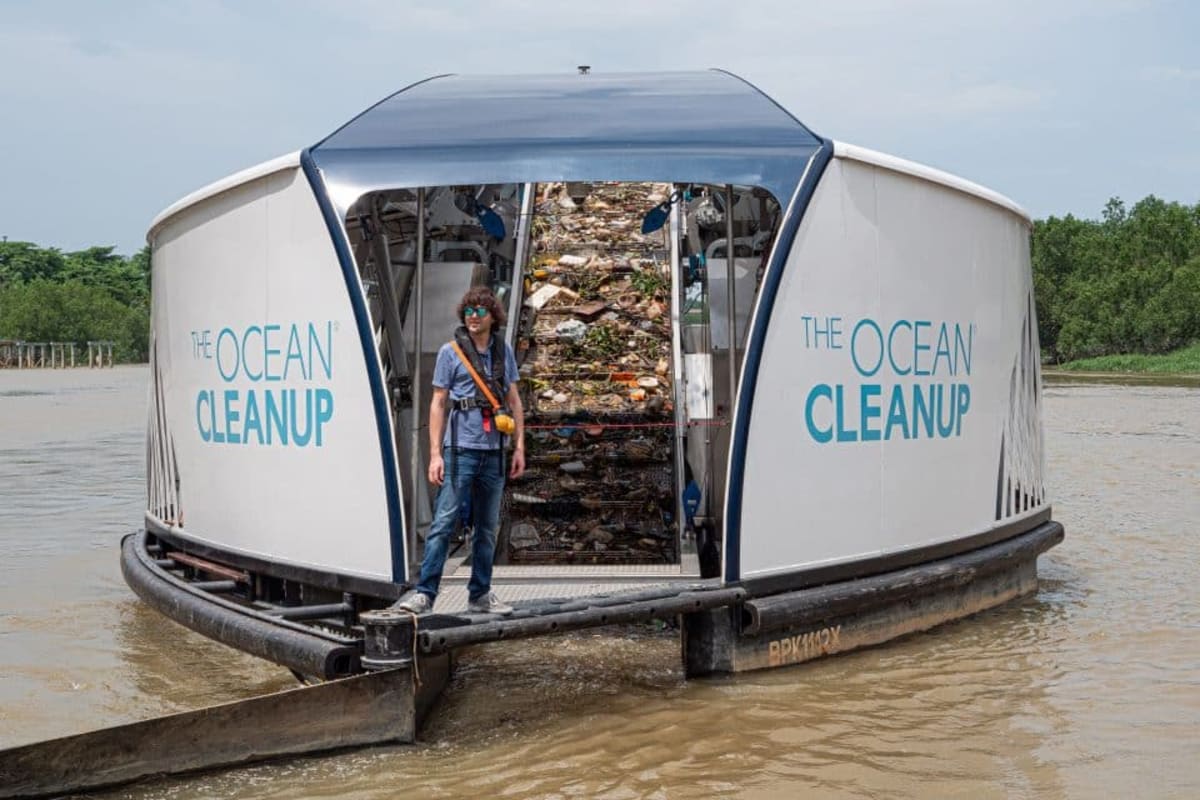
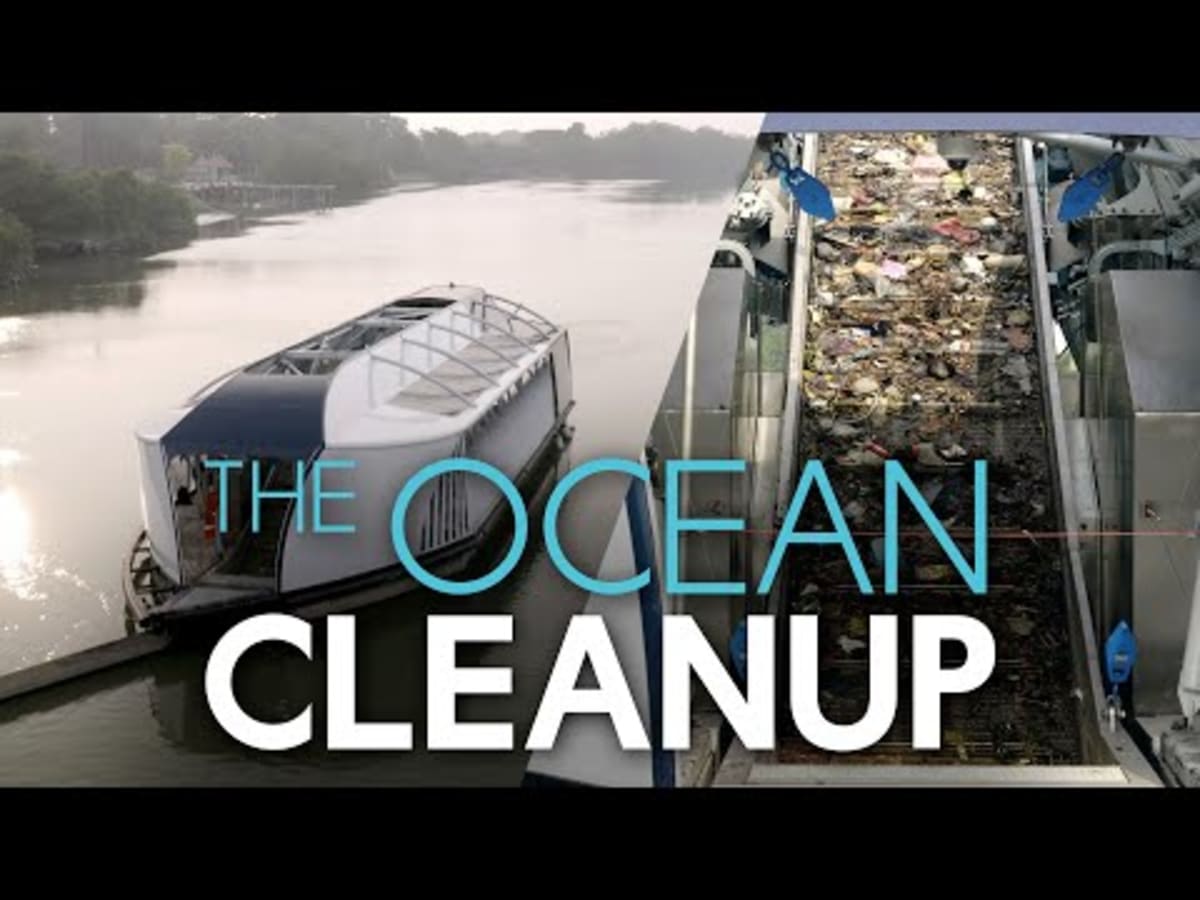
So The Ocean Cleanup built the Interceptor, a solar-powered vessel that sits in rivers and funnels floating debris onto conveyor belts before it reaches the sea. These autonomous systems can collect up to 50,000 kilograms per day and have been deployed in some of the world's most polluting waterways.
The offshore systems kept evolving too. System 03 now stretches 2.5 kilometers long and can sweep an area the size of a football field in five seconds. It includes safety hatches designed to let larger marine animals escape.
The Ripple Effect
The dual approach is working. In 2024 alone, The Ocean Cleanup removed more plastic than all previous years combined, hitting 11.5 million kilograms total. River interceptors stop trash before it reaches the ocean, while offshore barriers tackle what's already floating.
Slat's long-term goal is ambitious: remove 50 percent of the Great Pacific Garbage Patch within five years of full deployment, reaching 90 percent by 2040. His team now operates across oceans and rivers on multiple continents, turning one teenager's "impossible" idea into a global cleanup network.
What started with a frustrated high schooler and pocket change has become proof that young people with big ideas can solve problems the world thought were too hard to touch.
More Images

Based on reporting by Google News - Ocean Cleanup
This story was written by BrightWire based on verified news reports.
Spread the positivity!
Share this good news with someone who needs it