Teen's Smart System Saves Farmers Water and Diesel
A high school student in India created an app that tells farmers exactly when to water crops, ending years of costly guesswork. Her invention combines soil sensors and weather data to save water, fuel, and stress.
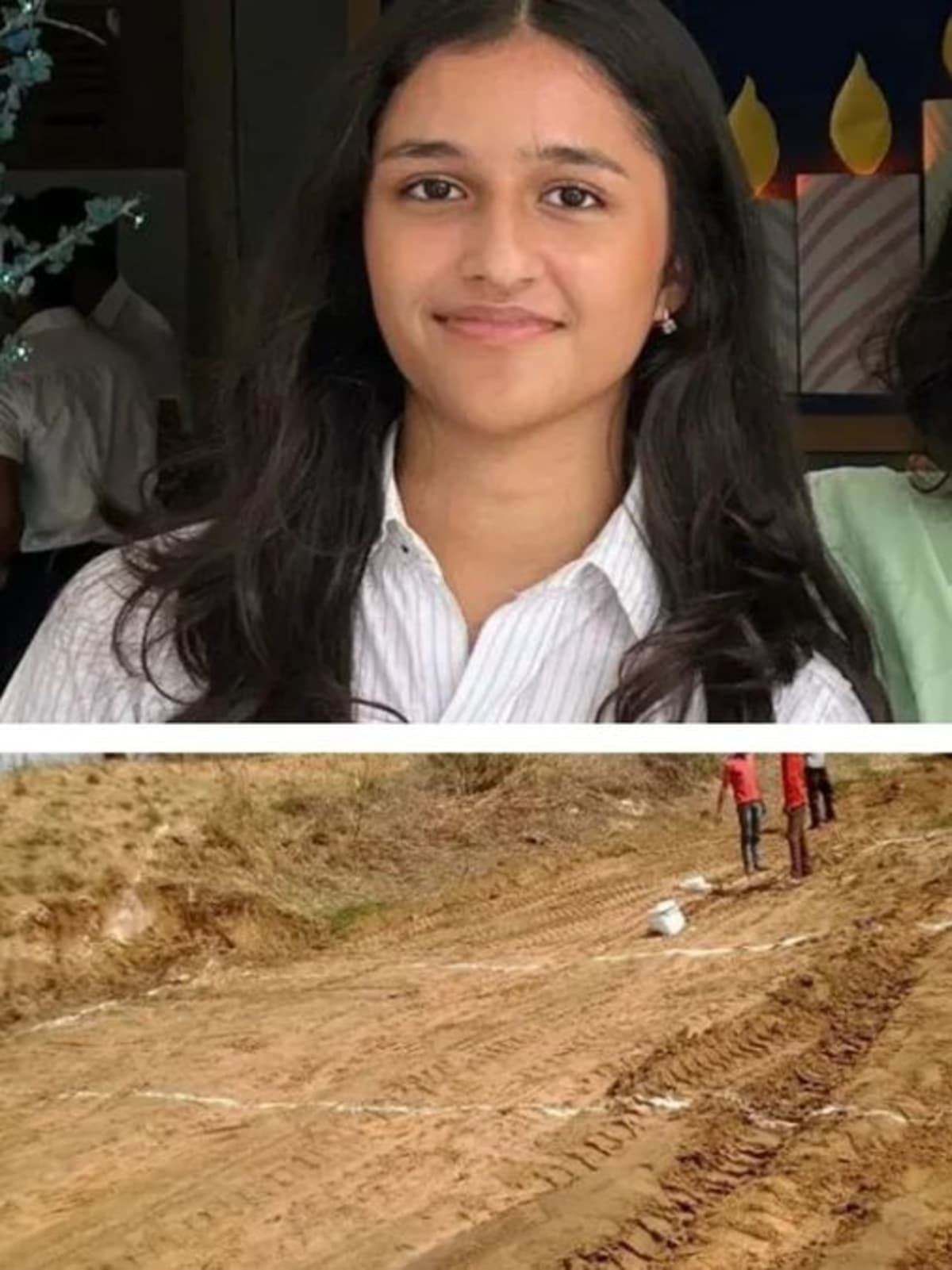
Sharanya Mehta watched her grandfather stare at the sky each morning, wondering if he should pump water for his crops. That daily anxiety inspired her to build something that would give farmers real answers.
The problem was everywhere in Mandaura. Farmers ran pumps for hours while roots stayed dry, or they waited for rainclouds that never delivered. Diesel burned through their budgets while crops struggled in cracked soil.
Sharanya started small in ninth grade with Project Jal, studying how water moved through dams and fields. But she realized data sitting in notebooks wouldn't help the people who needed it most.
She went straight to the source and talked with farmers about their daily struggles. They needed something simple that could read both soil conditions and weather patterns. Most importantly, it had to work in their hands, not just in a lab.
That's when she met Commodore Sridhar Kotra, a mentor who pushed her to think beyond technical perfection. He taught her that useful beats impressive every single time.
By her senior year of high school, Sharanya had built a Decision Support System that actually worked. The prototype combined soil moisture sensors buried in fields, satellite weather data, and cloud processing to create irrigation schedules farmers could trust.
Every feature came from farmer feedback. She added voice prompts for those who couldn't read screens easily, built it to work offline since internet was spotty, and designed it in local languages. Colors and icons were tested until they made instant sense to rural users.
The real test came when farmers in Mandaura started using it. They discovered that moisture levels deeper in the soil were often better than they thought. Pumps stayed off when they would have run, saving diesel and precious water.
The Ripple Effect
The changes went beyond just lower costs. Farmers who once relied on guesswork now trusted their data. Their morning routines became calmer as anxiety gave way to confidence.
Crop health improved because plants got exactly what they needed when they needed it. Water conservation happened naturally as sensors prevented overwatering. Each saved rupee on diesel meant more money for seeds, education, or family needs.
Now farmers in Mandaura wake up knowing instead of guessing, and that simple shift has transformed their relationship with their land.
Based on reporting by The Better India
This story was written by BrightWire based on verified news reports.
Spread the positivity!
Share this good news with someone who needs it