Teens Turned Jazz Into Rebellion Against Nazi Germany
When the Nazis tried to silence jazz music in 1930s Germany, a brave group of teenagers turned dancing to swing into an act of defiance. Their story of resistance through rhythm reminds us that even in the darkest times, young people found ways to stand up for freedom.
In 1939, affluent teenagers in Hamburg did something radical: they danced to jazz music while Nazi Germany tried to stamp it out.
These young people, known as the Swing Youth, turned their love of American jazz into quiet rebellion. While other German teens were being pushed into Hitler Youth programs, they grew their hair long, wore plaid jackets, and met secretly in clubs to dance to Duke Ellington and Louis Armstrong records. They even greeted each other with "Swing Heil!" as a playful jab at Nazi salutes.
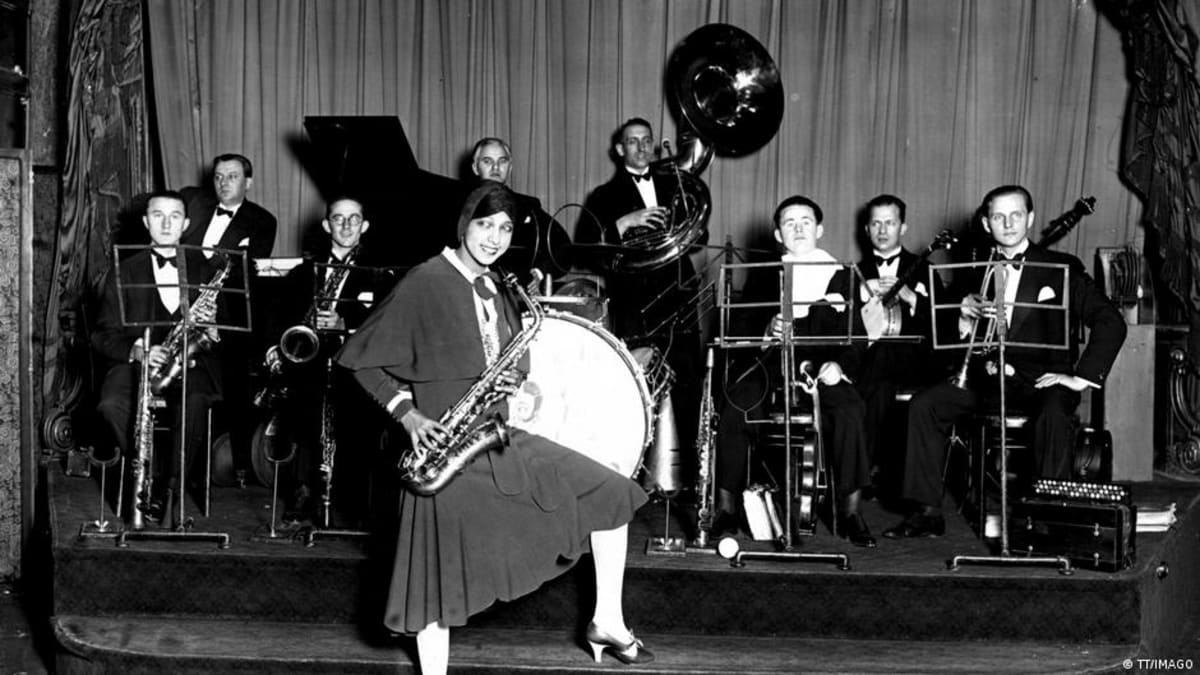
Jazz had exploded in popularity across Germany during the 1920s. Stars like Josephine Baker packed Berlin venues, and by the 1930s, jazz records played everywhere. But when Nazis seized power in 1933, they labeled jazz "degenerate music" because of its Black American roots. By 1935, broadcasting jazz was forbidden.
The regime wanted total control over young minds through mandatory youth organizations. These groups aimed to mold children into loyal Nazis from an early age. But the Swing Youth refused to conform.
Their resistance was more cultural than political, yet it took real courage. Nazi Security Services monitored these teenagers, accusing them of "hankering after democratic freedom and American casualness." Some members were arrested. Others were sent to concentration camps.
Inside one camp, detainees reportedly sang and danced to Louis Armstrong's "Jeepers Creepers." Historian Mascha Wilke from the Foundation for Remembrance, Responsibility and Future calls this "incredibly brave."
Why This Inspires
These teenagers remind us that standing up for freedom doesn't always mean grand political statements. Sometimes it means refusing to let others dictate what music moves you or how you dress.
They chose joy and individuality when conformity seemed safer. They valued American casualness and democratic freedom when those ideas could get them killed. Their story shows that even young people with limited power can resist authoritarianism simply by daring to be themselves.
On May 8, 2025, jazz enthusiasts gathered at Berlin's Besselpark to honor Liberation Day and remember the Swing Youth. Their legacy lives on every time someone chooses self-expression over silence.
These brave teenagers proved that music can be more powerful than propaganda, and that dancing can be an act of hope.
More Images

Based on reporting by DW News
This story was written by BrightWire based on verified news reports.
Spread the positivity!
Share this good news with someone who needs it