Tesla and Google Could Save US Consumers $100B on Power Bills
A new coalition led by Tesla and Google says America's electric grid runs at just 53% capacity, and smarter use could slash $100 billion from energy costs over the next decade. The group already secured its first policy win in Virginia.
Your power bill might be about to get cheaper, thanks to an unlikely alliance between electric car makers, tech giants, and air conditioning companies.
Tesla, Google, and Carrier just launched Utilize, a coalition targeting a problem hiding in plain sight. The US electric grid operates at only 53% of its total capacity on average, according to Duke University research. That means we're all paying for infrastructure that sits idle most of the year.
The math is straightforward. Electricity costs are driven by the ratio of grid infrastructure cost to the electricity sold over it. When the grid sits idle except for a few peak demand hours, consumers pay more per kilowatt-hour than necessary.
Stanford University found that even during peak periods, most transmission lines in the Western US were carrying only 18 to 52% of their available capacity. Meanwhile, research shows 76 to 215 gigawatts of additional demand could run on existing systems without exceeding historical peaks.
Utilize commissioned independent research showing potential savings exceeding $100 billion over ten years, possibly as high as $180 billion. The coalition believes battery storage, virtual power plants, and smart home technology can fill those idle hours and shave expensive peaks.
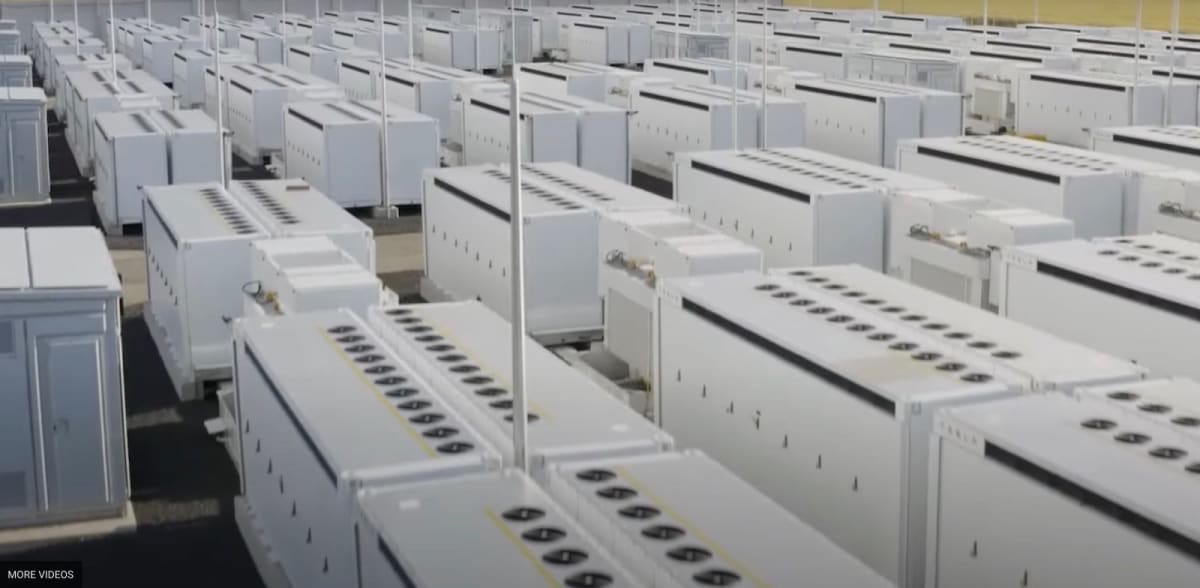
Tesla's virtual power plants in California have already delivered over 100 megawatts to help the grid avoid using gas peaker plants. The company paid Powerwall owners nearly $10 million through these programs in 2024 alone.
For Google, the stakes are even higher. The company's AI data center buildout is driving enormous electricity demand, and it spent $4.75 billion acquiring energy infrastructure last year. Unlocking idle grid capacity would let them connect new loads faster without waiting years for new transmission lines.
The Ripple Effect
The coalition isn't just talking. Virginia just passed bipartisan legislation requiring major utilities to measure and report grid utilization rates, then fold those metrics into regulatory proceedings. Governor Abigail Spanberger is expected to sign the bill, making Virginia the first state to create accountability for how efficiently utilities use the grid.
The coalition describes itself as technology neutral, meaning battery storage, demand response, virtual power plants, and grid enhancing technologies all qualify. States can choose what fits their needs best.
Ian Magruder, Utilize's executive director, emphasized that coordinated action across technology companies, utilities, and policymakers is essential. The group is working with governors, legislatures, and regulators to establish grid utilization goals within existing state planning processes.
The alignment makes sense: Tesla wants to sell more energy storage, Google needs cheaper grid connections, and Carrier wants to sell efficient HVAC systems that participate in demand response. When companies this large share an economic interest in making the grid work better, real change becomes possible.
More Images


Based on reporting by Electrek
This story was written by BrightWire based on verified news reports.
Spread the positivity!
Share this good news with someone who needs it