Tesla Plans 10M Robots as Physical AI Transforms Industry
Tesla announced plans to manufacture 10 million humanoid robots annually, while new partnerships aim to revolutionize shipbuilding with artificial intelligence. These developments signal a major leap forward in bringing intelligent robots from science fiction into everyday life.
📺 Watch the full story above
The future of robotics just got a massive upgrade, and it's happening faster than anyone expected.
Tesla revealed during its quarterly earnings call that it's preparing to build not one but two massive factories dedicated to producing Optimus humanoid robots. The first facility in Fremont, California will replace existing car production lines and aim for one million robots per year starting in mid-2026.
But that's just the beginning. At Tesla's Texas Gigafactory, the company is designing a second generation production line with an ambitious goal of 10 million robots annually.
To power this robot revolution, Tesla is developing its own AI5 processor specifically designed to handle the massive computing needs of both its robotaxi fleet and humanoid robots. This move into semiconductor manufacturing shows how seriously the company is investing in the physical AI future.
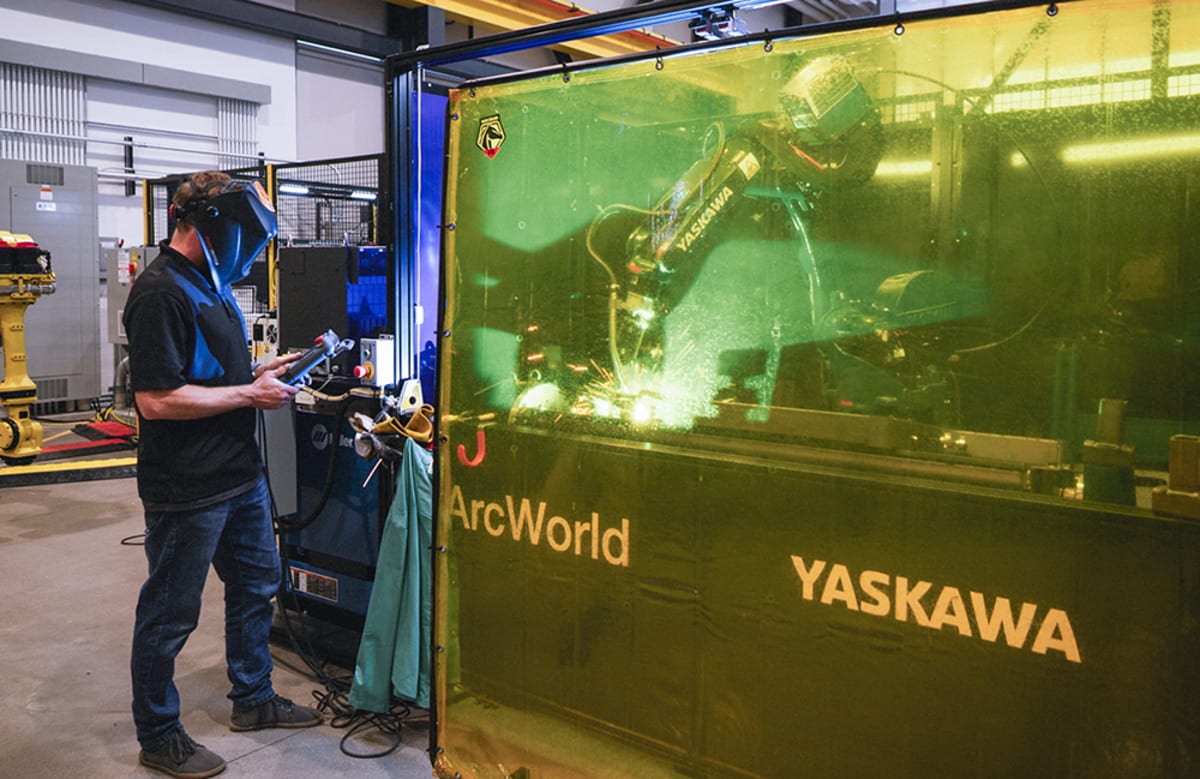
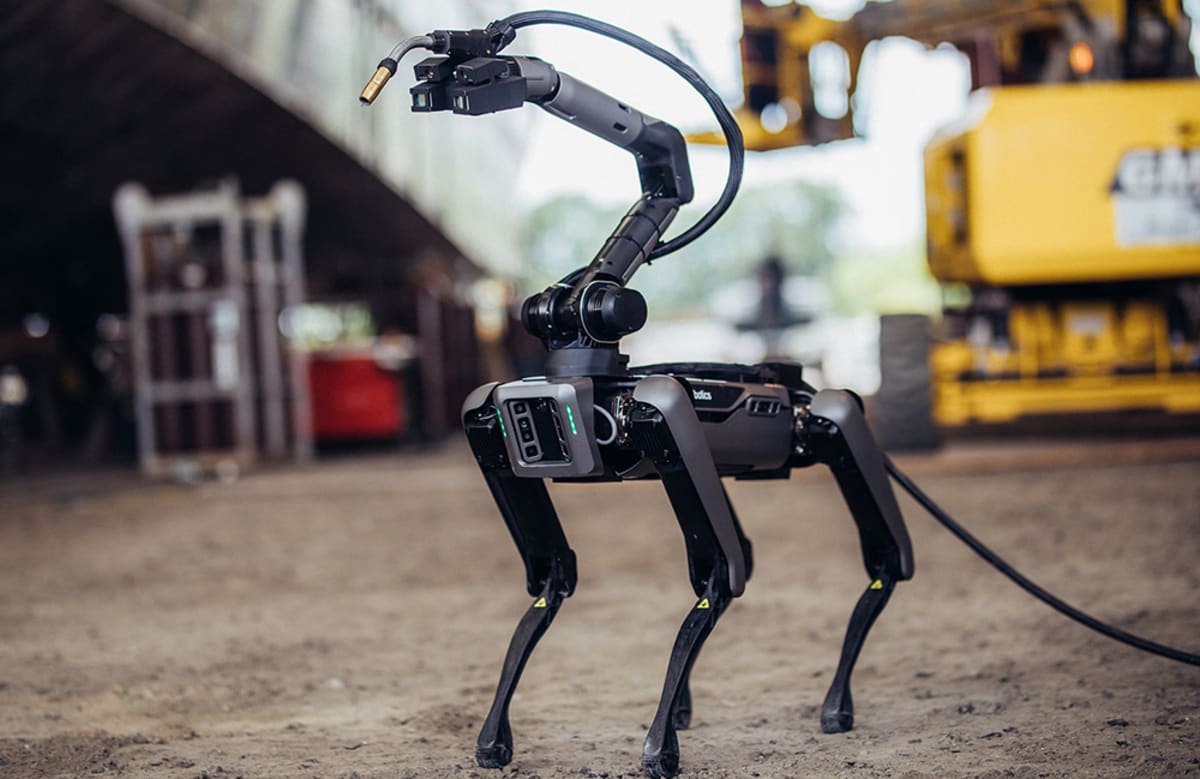
Meanwhile, innovation in industrial robotics is accelerating across other sectors too. HII, a major shipbuilder, partnered with Path Robotics and GrayMatter Robotics this week to launch the HYPR program, which stands for High-Yield Production Robotics.
The initiative will use advanced AI-powered welding and fabrication robots to speed up construction of naval vessels. These aren't your grandfather's factory robots that follow pre-programmed routines.
The Ripple Effect
Physical AI represents a fundamental shift in how robots work. Instead of needing extensive programming for every task, these machines can adapt to new situations, learn from experience, and handle complex real-world challenges.
For shipbuilding, this means robots that can automatically adjust welding techniques based on different materials and conditions. For Tesla's vision, it means humanoid robots that could eventually assist with everything from manufacturing to household tasks.
The ripple effects extend beyond the factory floor. As these technologies mature, they promise to address labor shortages in critical industries, improve workplace safety by handling dangerous tasks, and potentially make products more affordable through increased efficiency.
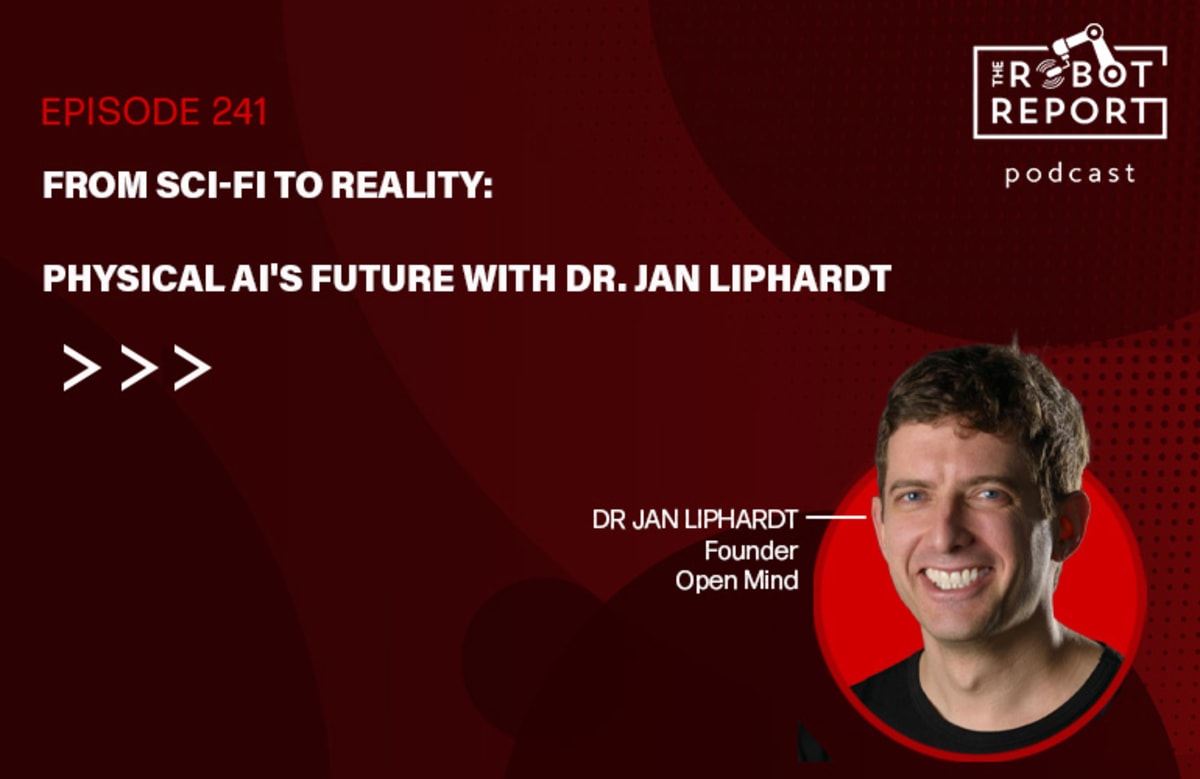
Dr. Jan Liphardt, a Stanford bioengineering professor who studies these emerging technologies, has watched physical AI evolve from theoretical concepts to real-world applications. His interdisciplinary work spans biophysics to distributed systems, providing unique insights into how artificial intelligence will transform physical industries.
The convergence of artificial intelligence with robotics marks a turning point where machines don't just follow instructions but actually understand and respond to their environment. This makes them vastly more useful across countless applications.
These aren't distant dreams anymore but concrete plans with construction already underway, bringing us closer to a future where intelligent robots work alongside humans to build, create, and solve problems we haven't even imagined yet.
More Images



Based on reporting by The Robot Report
This story was written by BrightWire based on verified news reports.
Spread the positivity!
Share this good news with someone who needs it