Tesla Semi Chargers Coming to 900+ Truck Stops by 2026
America's largest truck stop chain is partnering with Tesla to install electric semi-truck chargers at locations along major highways. The move could finally make coast-to-coast electric freight hauling a reality.
The future of cleaner freight transport just took a major leap forward as Pilot, which operates over 900 truck stops across North America, announced it's bringing Tesla Semi chargers to its busiest highway locations.
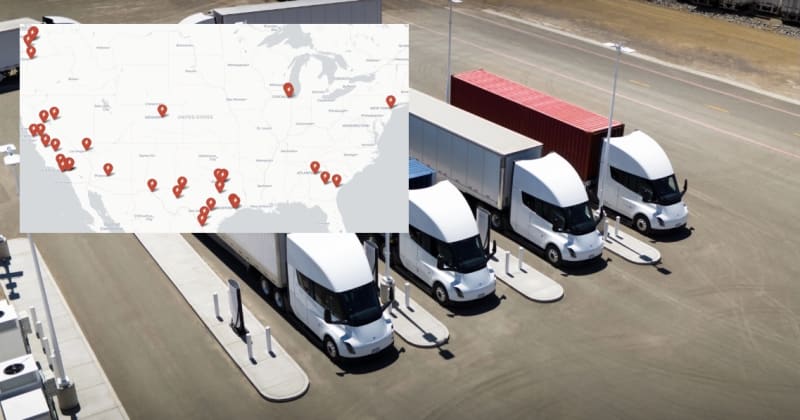
Starting in summer 2026, Tesla's powerful Megachargers will appear at Pilot travel centers along Interstate 5 and Interstate 10, two of America's most critical freight corridors. The charging stations will go where truckers need them most, strategically placed along routes that connect major ports and distribution centers.
The partnership solves a chicken-and-egg problem that has held back electric trucking. Trucking companies hesitated to buy electric semis without charging infrastructure, while charging companies hesitated to build stations without enough electric trucks on the road. Now, Pilot's massive existing network eliminates that uncertainty.
Shannon Sturgil, Pilot's senior vice president of alternative fuels, said helping shape the future of energy meets the needs of both guests and the North American transportation industry. The company, owned by Warren Buffett's Berkshire Hathaway, serves 1.2 million customers daily across 44 states and five Canadian provinces.
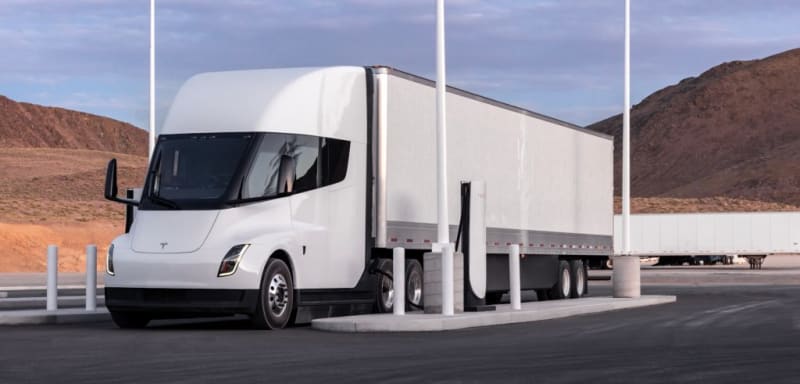
Tesla's Megachargers pack serious power, recently demonstrated charging at 1.2 megawatts. That's roughly ten times faster than typical passenger car chargers, crucial for keeping delivery schedules on track. Tesla plans to build 46 Semi charging stations by 2027, and this Pilot partnership dramatically accelerates that timeline.
The initial Interstate 5 and Interstate 10 rollout makes strategic sense. Interstate 5 runs the entire West Coast from San Diego to Seattle, connecting major ports where goods arrive from overseas. Interstate 10 stretches from California to Texas, serving as a vital east-west artery for American commerce.
The Ripple Effect
This partnership reaches far beyond Tesla and Pilot. Every electric semi on the road means cleaner air for communities along freight corridors, which have historically suffered higher pollution rates. Trucking accounts for nearly a quarter of transportation emissions in the United States.
Companies like PepsiCo already use Tesla Semis for local deliveries, but long-haul routes remained out of reach without charging infrastructure. This network opens the door for more businesses to switch their fleets, multiplying the environmental benefits. Pilot's track record with alternative fuels adds credibility. They've already installed over 200 electric vehicle charging sites with GM and EVgo, and they've worked with Volvo on heavy-duty charging since 2022.
The economics work too, which means this isn't just an environmental win. Tesla proved with its Supercharger network that EV charging can be profitable, making it easier for established businesses like Pilot to invest confidently. For trucking companies, electric semis offer lower fuel and maintenance costs that add up quickly across large fleets.
By 2026, drivers hauling goods from the Port of Los Angeles to Seattle or from San Diego to Houston could do it entirely on electric power, stopping at familiar Pilot locations they already know and trust.
More Images


Based on reporting by Electrek
This story was written by BrightWire based on verified news reports.
Spread the positivity!
Share this good news with someone who needs it