Tesla Semi Hauls Containers at LA Port in 3-Week Test
A California trucking company is testing Tesla's electric Semi on real port routes, hauling shipping containers between the Port of Los Angeles and nearby warehouses. The pilot could prove electric trucks are ready for one of freight's toughest jobs.
MDB Transportation is putting Tesla's electric Semi to the ultimate test: moving shipping containers through Southern California's notoriously busy port corridors.
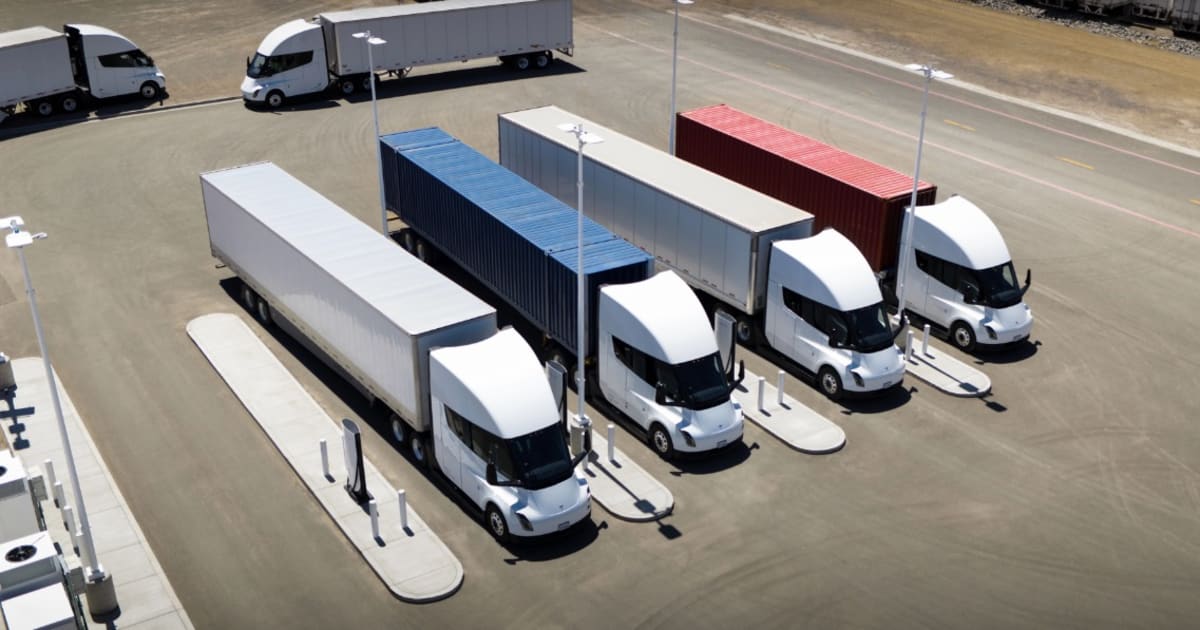
The Compton-based trucking company launched a three-week pilot this month, running the Tesla Semi on active freight routes between the Ports of Los Angeles and Long Beach and surrounding warehouses. They're tracking everything from energy efficiency to how drivers like operating the all-electric big rig.
This matters because port drayage (the short hauls between ports and distribution centers) might be electric trucking's perfect proving ground. Routes are short, trucks return home daily for charging, and the work is repetitive enough to gather solid performance data fast.
MDB isn't a flashy tech company or sustainability showcase. They're a working freight carrier that's been moving containers since 2002, which makes their interest in electric trucks a genuine signal that the economics are starting to make sense.
The Tesla Semi they're testing can haul 82,000 pounds and travel up to 500 miles on a single charge. That's way more range than port work requires, but it means drivers never worry about running out of juice during their shift.
The Ripple Effect
MDB joins a growing wave of port operators betting on electric freight. Hight Logistics, another Long Beach drayage company, already runs 25 electric trucks and added a Tesla Semi to its fleet earlier this year.
Meanwhile, NFI Industries operates 50 electric semi trucks at their Ontario, California warehouse through a $27 million state-backed program. The charging infrastructure is expanding too, with Tesla opening its first Megacharger station in Ontario and planning 66 more locations across 15 states.
What makes this shift exciting is the domino effect. Cleaner air around ports means healthier communities in densely populated areas like Long Beach and Compton. Less diesel exhaust means fewer respiratory problems for the people who live and work near these freight corridors.
Tesla claims their Semi's battery will last a million miles, a game-changer for fleet operators running high-mileage routes. At $290,000, the trucks cost more upfront than diesel versions, but lower fuel and maintenance costs could close that gap for companies running predictable routes.
The real test comes when MDB shares their data after three weeks. Energy use, charging time, and driver feedback from actual port operations will tell us more than any manufacturer's marketing claims.
If the numbers work, expect more traditional freight companies to follow suit, transforming one of America's most polluting industries one container at a time.
More Images



Based on reporting by Electrek
This story was written by BrightWire based on verified news reports.
Spread the positivity!
Share this good news with someone who needs it