Tesla Semi Hits 1.55 kWh/Mile, Sparks Major Fleet Orders
A major logistics company is buying Tesla's electric trucks after they proved 9% more efficient than expected, slashing fuel costs while conquering mountain passes. Electric big rigs are moving from test runs to real-world fleets faster than anyone predicted.
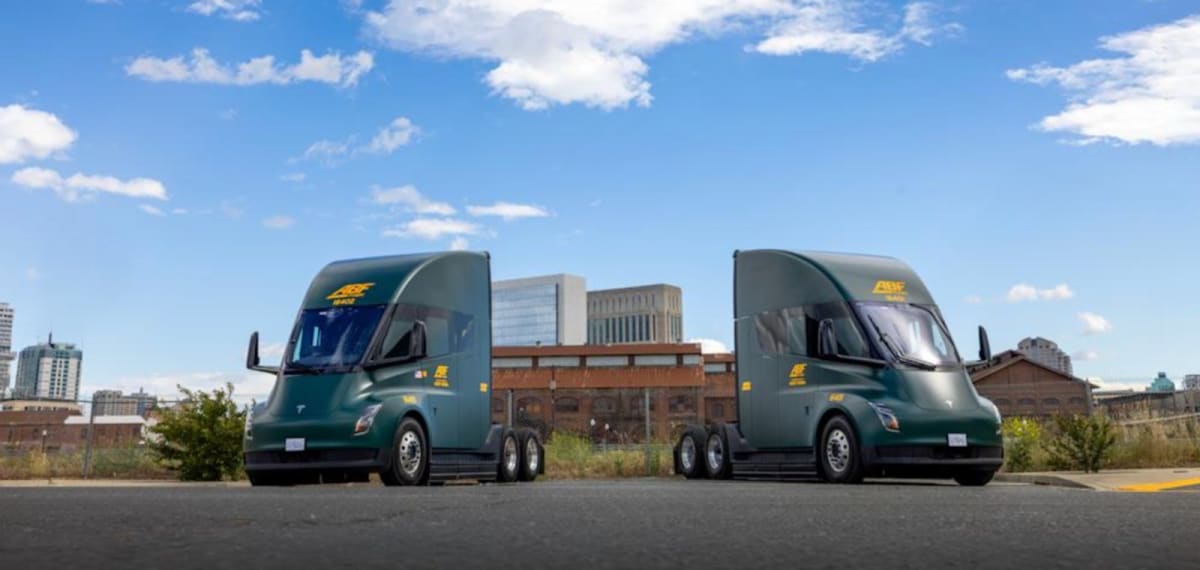
ArcBest, a multibillion-dollar logistics company, just made a big bet on electric trucking after Tesla's Semi delivered stunning efficiency results that beat all previous records.
The company tested two Tesla Semis for three weeks on demanding routes between Reno, Nevada, and Sacramento, California. The trucks averaged an impressive 1.55 kilowatt-hours per mile over 4,494 miles, including grueling climbs over Donner Pass at 7,200 feet elevation.
That efficiency number matters more than it might sound. Tesla originally claimed the Semi would hit 1.7 kWh per mile, and other companies like DHL and Saia saw results around 1.72 to 1.73 kWh per mile in their tests. ArcBest's 9% improvement translates directly into lower operating costs every single mile.
Now ArcBest is putting real money behind those results. The company is purchasing two new Tesla Semis and expanding testing across more routes in California and Nevada, applying the same strict performance standards they use for their diesel fleet.
The trucks aren't just efficient on paper. Drivers loved them too, praising the visibility, comfort, and smooth operation even on steep mountain grades. Other fleet operators testing the Semi on California's notoriously steep Grapevine pass reported being "amazed" by how the electric truck handled the challenge.
The momentum is building fast across the trucking industry. WattEV just ordered 370 Tesla Semis worth around $100 million, making it California's largest electric truck deployment. Port operators, delivery companies, and major carriers are all placing orders as Tesla's new dedicated production line in Nevada ramps up.
The numbers explain why fleets are making the switch. Traditional electric trucks from Freightliner and Volvo max out around 230 to 275 miles of range. The Tesla Semi's 822 kWh battery delivers over 500 miles while using less energy per mile than competitors, and electricity costs far less than diesel.
The Ripple Effect
This shift goes beyond one company's truck purchase. When a major logistics operator treats electric trucks like standard equipment instead of experimental technology, it signals the industry has reached a tipping point.
Every fleet that makes the switch locks in lower fuel costs while cutting emissions from one of transportation's biggest pollution sources. As production scales up and more companies follow ArcBest's lead, the roads are getting cleaner and operating costs are dropping across an entire industry.
The real test now is whether Tesla can build trucks fast enough to meet surging demand from companies ready to electrify their fleets.
More Images


Based on reporting by Electrek
This story was written by BrightWire based on verified news reports.
Spread the positivity!
Share this good news with someone who needs it