Texas A&M Joins AI Mission to Accelerate Energy Research
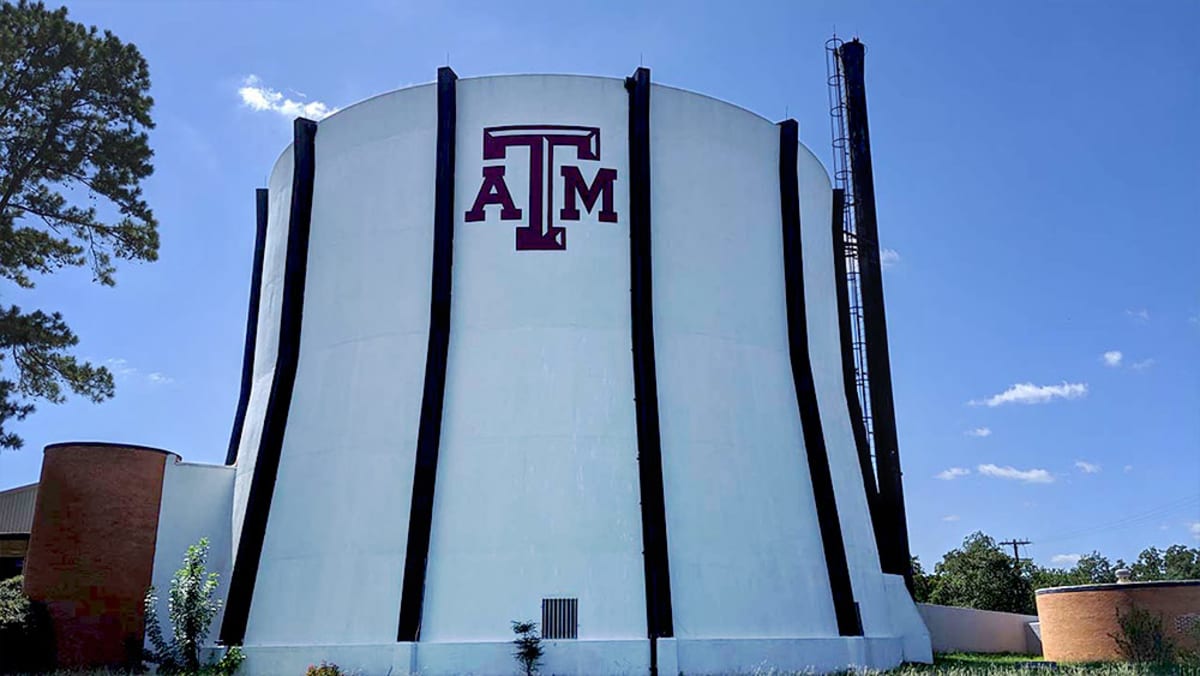
Texas A&M University has joined the Genesis Mission, a groundbreaking national initiative using artificial intelligence to transform scientific discovery. Four university projects will help tackle critical challenges in energy, mineral security, and nuclear technology.
America just launched one of the most ambitious scientific collaborations in history, and Texas A&M University is helping lead the charge.
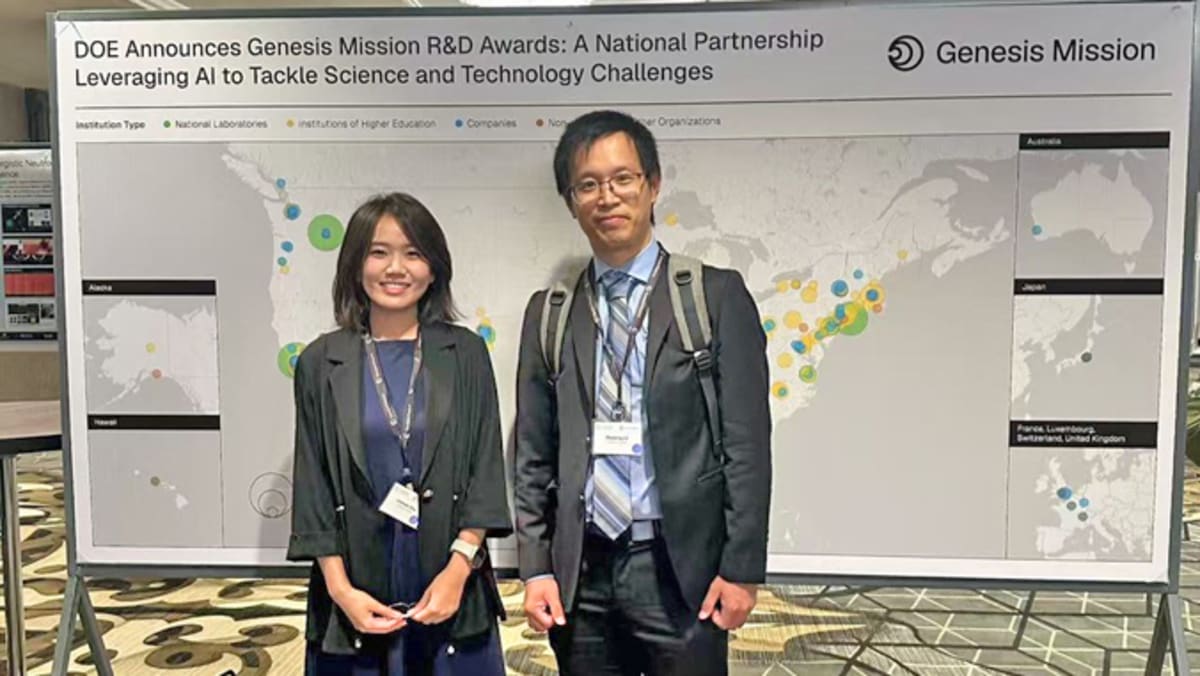
The U.S. Department of Energy announced the Genesis Mission, a revolutionary initiative that connects artificial intelligence, supercomputing, and advanced research facilities into one unified discovery platform. Think of it as creating a superhighway for scientific breakthroughs that would normally take decades.
Texas A&M landed four projects in the mission's first wave of 278 selected initiatives. These aren't small efforts. They're tackling some of the nation's toughest problems, from securing critical minerals to advancing nuclear energy systems.
Dr. Kung-Hui Chu is developing AI tools that map how to extract essential minerals using biological processes. His team will work with Lawrence Berkeley National Laboratory to combine biological, water system, and geological data in ways never before possible.
Dr. Nicholas Perez is also focused on minerals, using multimodal AI to locate rare earth element deposits across Texas and the Southwest. These materials are essential for everything from smartphones to defense systems, and right now America relies heavily on other nations for supply.
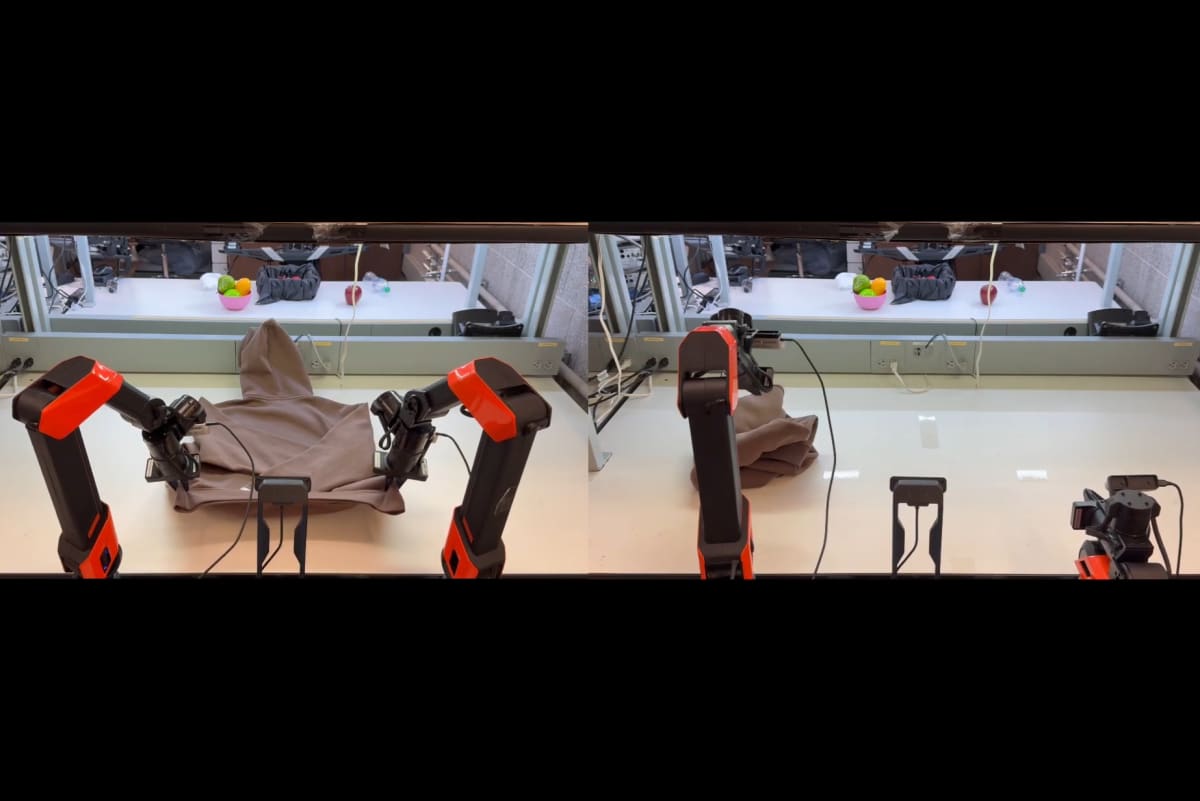
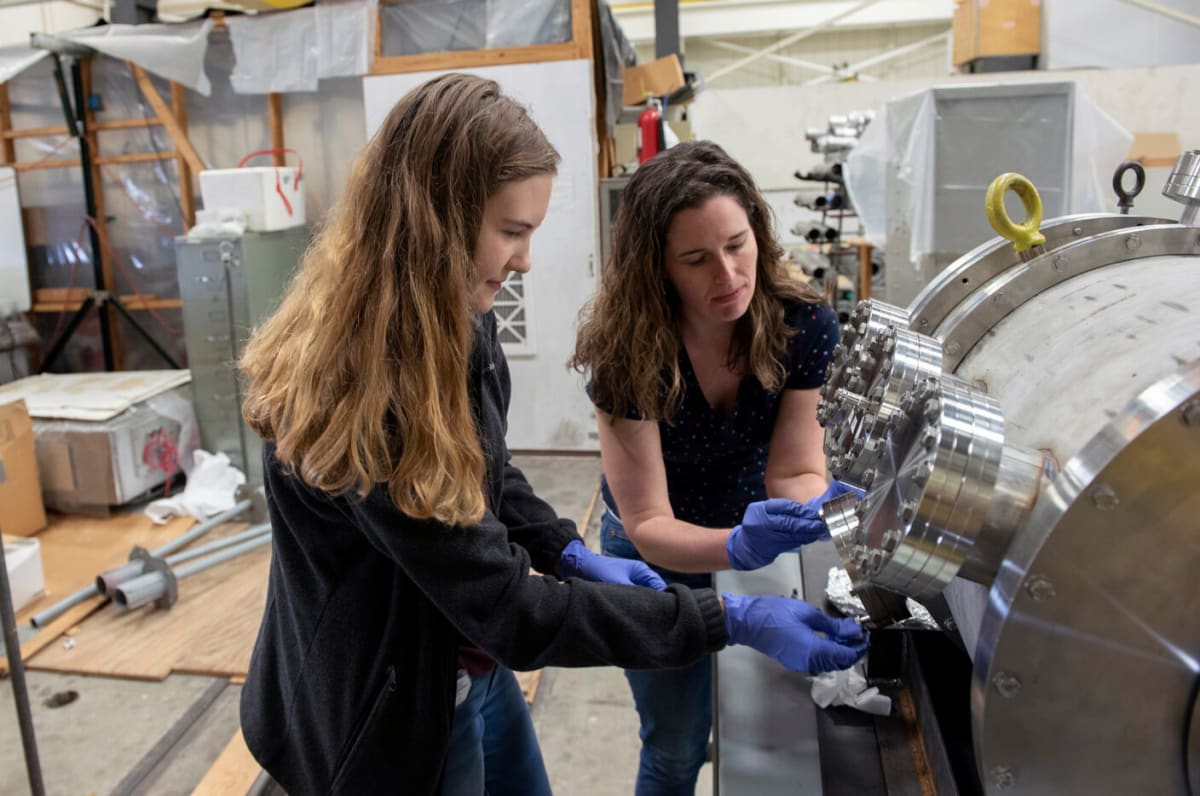
On the nuclear front, Dr. Yang Liu is creating a secure AI system that keeps humans in the loop while speeding up the engineering and licensing of advanced nuclear systems. Meanwhile, Dr. Jonas Karthein is building digital twins for precision facilities that can operate autonomously.
The Genesis Mission spans three major focus areas: energy dominance, discovery science, and national security. By bringing together government labs, universities, industry partners, and philanthropic organizations, it creates connections that amplify what any single institution could accomplish alone.
The Ripple Effect
What makes this initiative revolutionary isn't just the technology. It's the collaboration model itself.
The Department of Energy is opening access to vast stores of scientific data, world-class research facilities, and supercomputing resources that were previously siloed. Researchers can now tackle complex challenges by drawing on expertise and tools from across the entire scientific enterprise.
Texas A&M President Dr. Susan Ballabina emphasized that the university's role reflects both the strength of its research capabilities and its commitment to solving pressing national challenges. The interdisciplinary nature of the selected projects shows how modern scientific breakthroughs happen at the intersection of multiple fields.
Dr. Angela Wilson, the university's vice president for research, called the mission revolutionary in both scale and potential. She noted that this level of access to data, computing power, and collaborative expertise simply wasn't possible a few years ago.
Secretary of Energy Chris Wright celebrated the overwhelming response to the mission, saying America's innovation pipeline is clearly strong and pointing to opportunities for continued expansion.
The future of scientific discovery just got a major upgrade, and Texas researchers are helping build it.
More Images
Based on reporting by Google: scientific discovery
This story was written by BrightWire based on verified news reports.
Spread the positivity!
Share this good news with someone who needs it