Texas Batteries Help Grid Weather Winter Storm
When a monster snowstorm hit the US, fossil fuel plants struggled while new technologies kept the lights on. The upgrades made after the deadly 2021 Texas freeze are now paying off.
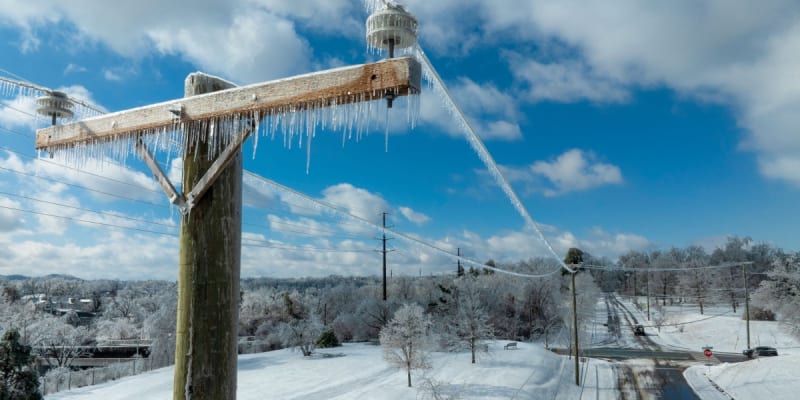
While millions of Americans bundled up during this week's historic winter storm, something remarkable happened on the power grid. Despite freezing temperatures and record demand, most homes stayed warm and bright.
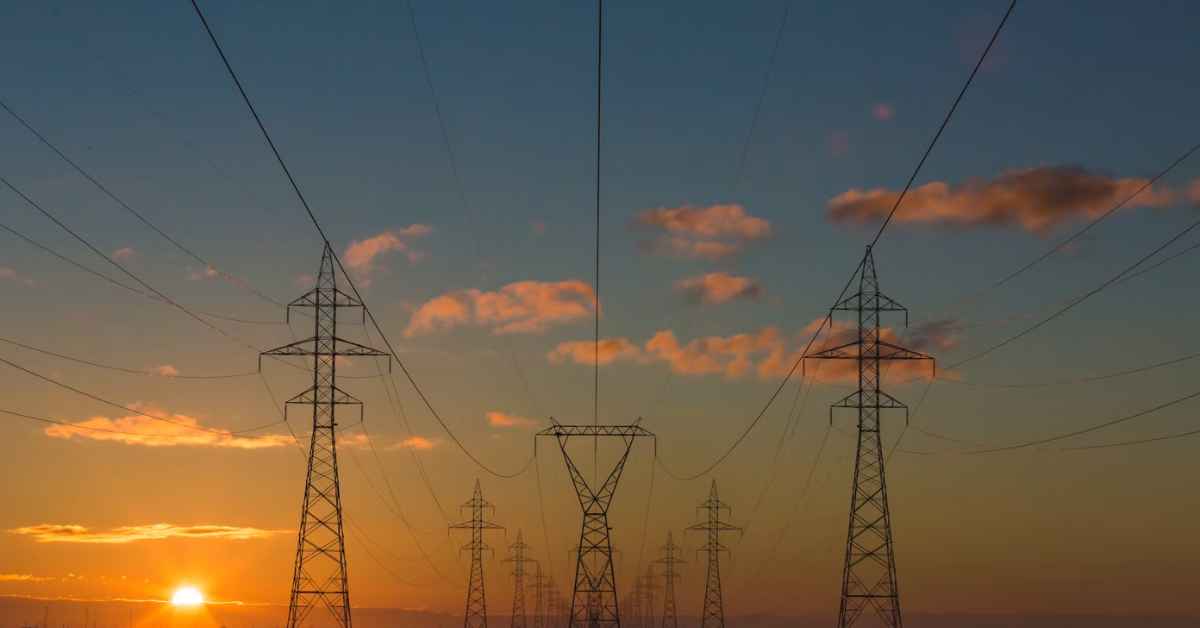
The eastern US faced a massive test when temperatures plummeted and snow blanketed the region. PJM Interconnection, which serves 67 million people from New Jersey to Illinois, saw over 20 gigawatts of power plants unexpectedly go offline during the storm's peak. That's enough electricity to power roughly 15 million homes.
Here's the surprising part: the plants that failed were mostly fossil fuel facilities. Natural gas plants produced 10 gigawatts less power than the day before, even though electricity prices soared and profits would have been huge. Coal and oil plants struggled too, knocked offline by freezing equipment and fuel supply problems.
Meanwhile, Texas told a completely different story this time around. The state that suffered catastrophic blackouts in 2021, leading to at least 246 deaths, sailed through the recent cold snap with barely a flicker.
What changed? After 2021's disaster, Texas invested heavily in winterizing power plants and added a massive wave of battery storage to its grid. Those batteries proved their worth during the early morning demand peaks when people cranked up their heaters before dawn.
The batteries provided crucial flexibility exactly when the grid needed it most. They stored energy during calmer periods and released it during the morning and evening rushes, smoothing out dangerous demand spikes that could have crashed the system.
The Bright Side
This storm revealed an unexpected truth about our energy future. The very technologies that skeptics worried might make grids less reliable actually helped keep them stable during extreme weather.
Battery storage systems responded instantly when traditional power plants froze up. They didn't need fuel deliveries that could get stuck in snowstorms or equipment that could freeze solid in subzero temperatures.
Energy experts now see offshore wind as another potential winter weather hero. These facilities typically produce strong, reliable power during cold months when coastal winds blow hardest. As more come online along the East Coast, they could provide the same resilience boost that batteries gave Texas.
The Department of Energy had to issue emergency orders allowing some facilities to run polluting backup generators and ignore emissions rules temporarily. But those dirty stopgap measures highlight exactly why cleaner, more flexible energy sources matter for future storms.
No single technology will solve every grid challenge. But this week proved that modern renewable energy and storage systems aren't just good for the climate. They're becoming the reliable backbone that keeps our lights on when extreme weather strikes.
Based on reporting by MIT Technology Review
This story was written by BrightWire based on verified news reports.
Spread the positivity!
Share this good news with someone who needs it