Texas Cave Dive Reveals 100,000-Year-Old Ice Age Secrets
A scientist snorkeling through an unexplored Texas cave found something extraordinary: bones everywhere, from giant tortoises to sabretooth cats that lived 100,000 years ago. This discovery opens a completely new window into Central Texas's prehistoric past.
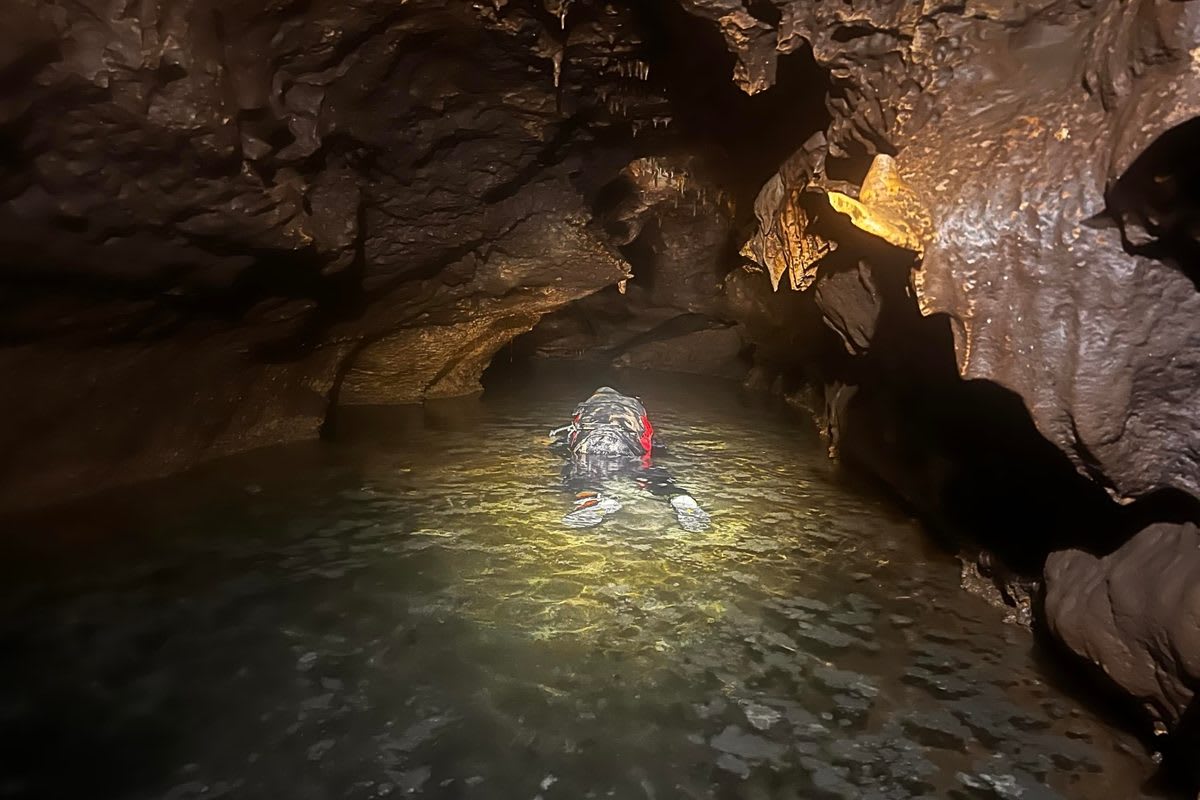
When palaeontologist John Moretti first dove into the underground streams of Bender's Cave near San Antonio, he couldn't believe what he saw. "It was just bones all over the floor," he said, describing fossils scattered across the streambed like ancient treasure.
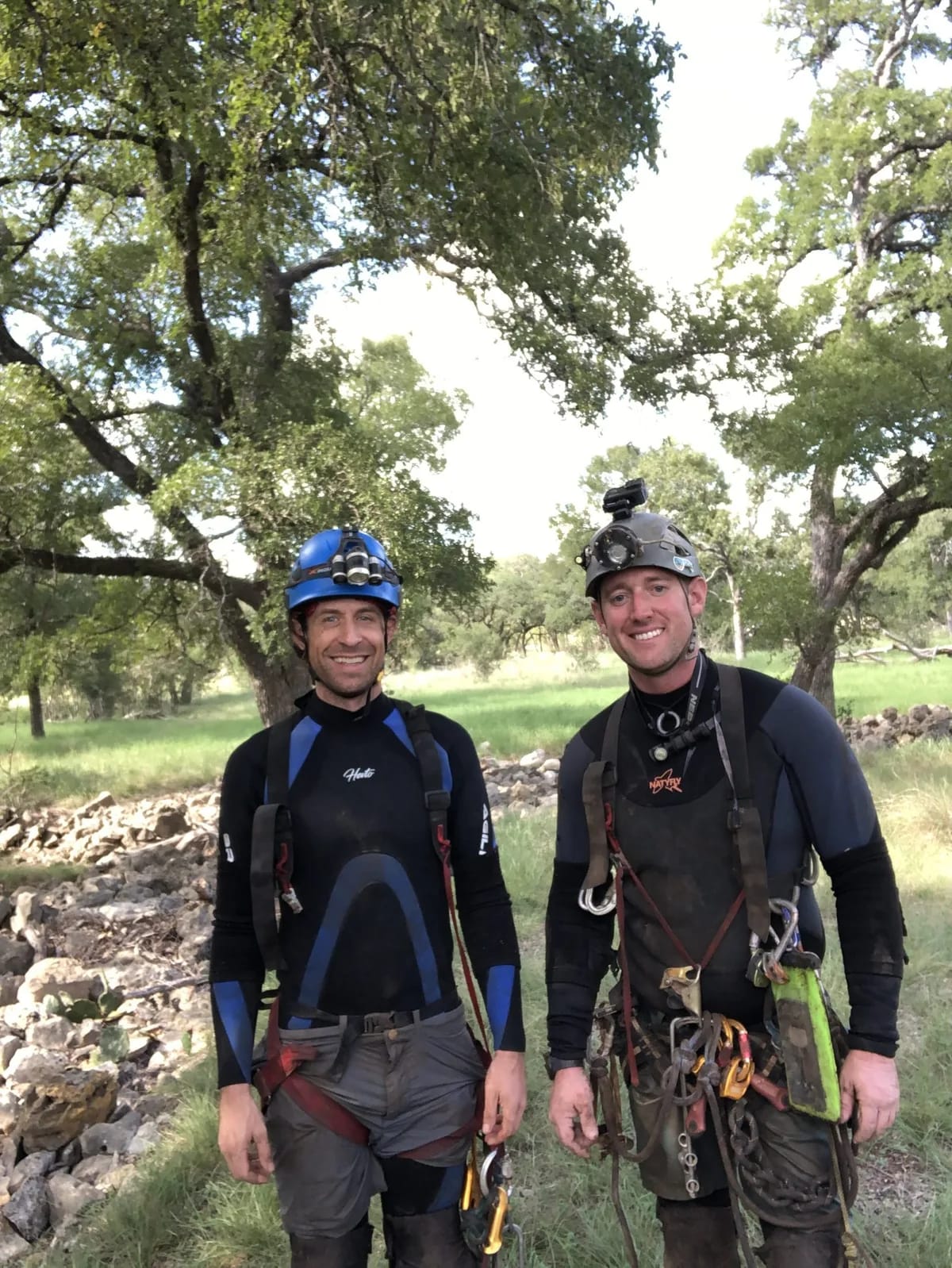
Moretti, a recent doctoral graduate, made history by conducting the first complete palaeontological study of a Texas water cave. Over six trips between March 2023 and November 2024, he and local caver John Young snorkeled through shallow underground streams, collecting fossils from 21 different zones.
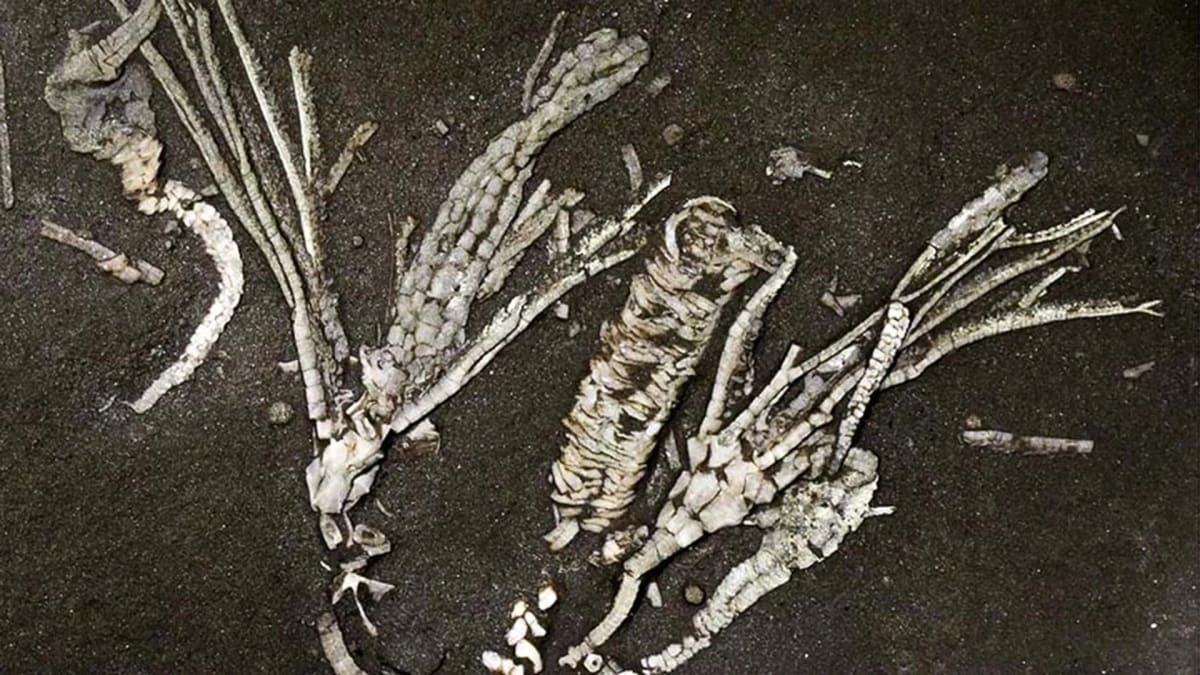
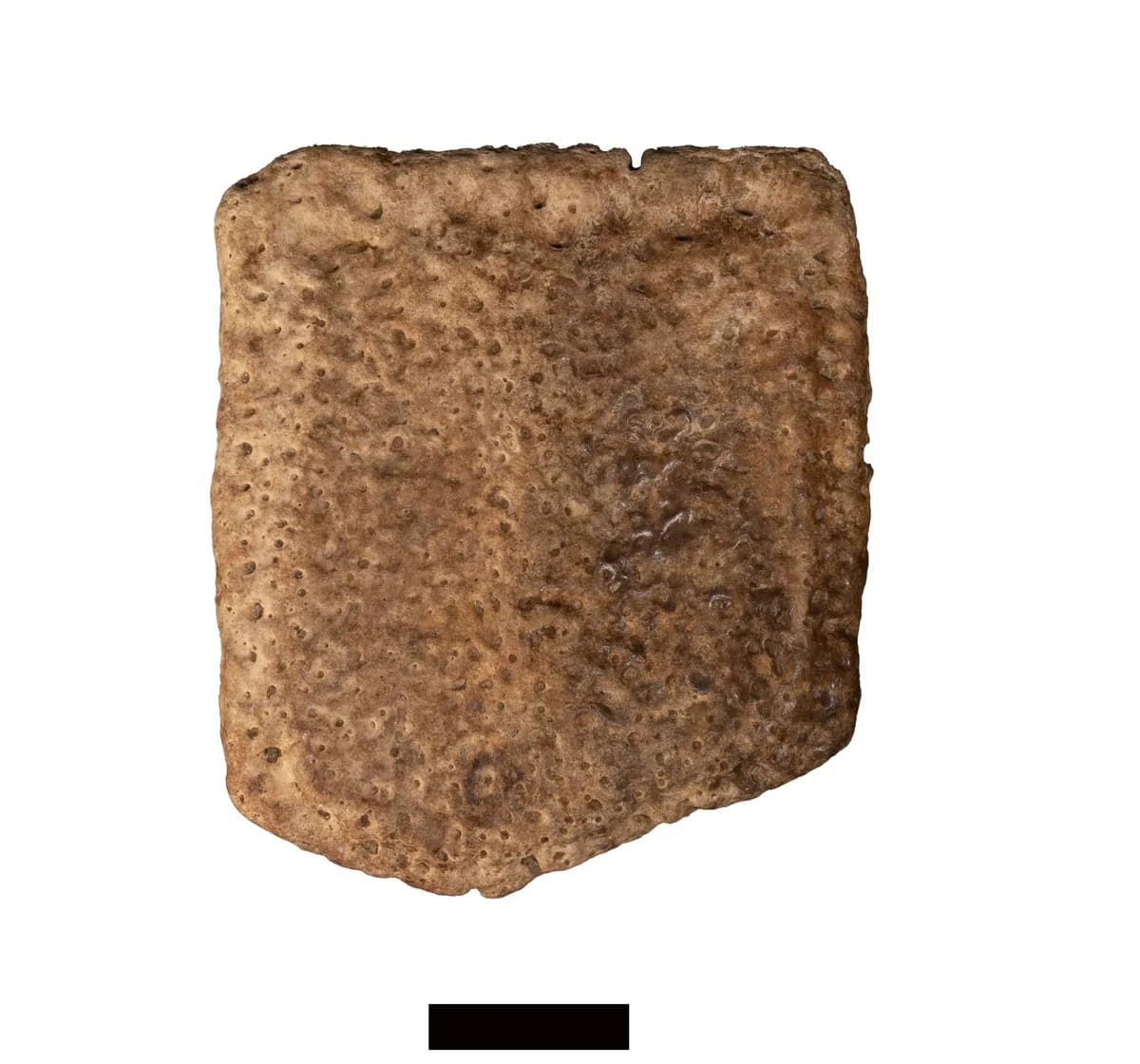
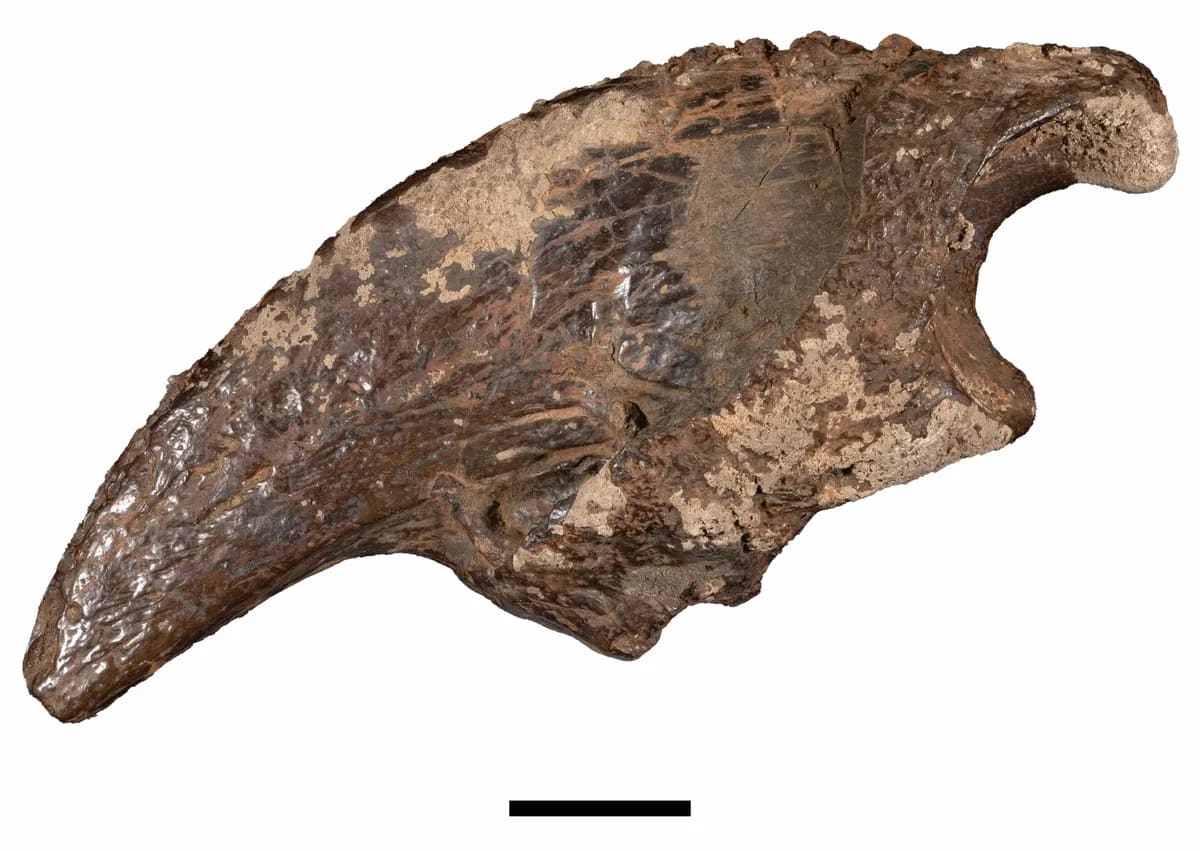
The finds were stunning. Giant tortoises, armadillo relatives the size of lions, sabretooth cats, camels, mastodons, and even a claw from a giant ground sloth emerged from beneath the water's surface. All showed the telltale signs of their long journey: polished, rounded, and stained a rusty red from thousands of years tumbling through underground streams.
Texas has thousands of caves, and cavers have long reported seeing fossils in their underwater passages. But until Moretti's study, published in the journal Quaternary Research, no one had properly investigated these submerged time capsules.
The bones likely entered through sinkholes during flooding events millennia ago. Based on the animal species found together, Moretti believes they date to the last interglacial period, roughly 100,000 years ago, just before the last Ice Age.
If this dating proves correct, these will be the first fossils from this period ever found in Central Texas. "This site is showing us something different, and that's really important," Moretti explained.
The Bright Side
What makes this discovery even more exciting is that scientists found species they didn't expect in this part of Texas at all. David Ledesma, a palaeontologist at St. Edwards University, called the unexpected species thrilling proof that we're still learning about our planet's prehistoric past.
Most unexplored Texas caves sit on private land, meaning future discoveries depend on landowners and scientists working together. Moretti's study shows what becomes possible when they do.
These ancient bones have been waiting in the dark for 100,000 years, and now they're finally telling their story.
More Images
Based on reporting by Google: fossil discovery
This story was written by BrightWire based on verified news reports.
Spread the positivity!
Share this good news with someone who needs it