Texas Cave Hides Ice Age Secrets Never Seen in the Region
Snorkeling scientists in a Texas underwater cave discovered fossils of giant tortoises and armored mammals that never lived in Central Texas before. The surprising find is rewriting what we know about Texas during the Ice Age.
A paleontologist exploring an underwater cave in Texas stumbled upon something that shouldn't exist: fossils of Ice Age animals never documented in Central Texas before.
John Moretti from the University of Texas at Austin was snorkeling through Bender's Cave in Comal County when he spotted bones covering the streambed. "There were fossils everywhere, just everywhere, in a way that I haven't seen in any other cave," he said.
The cave's underground stream acts like a time capsule. Floodwaters carried animal bones through sinkholes thousands of years ago, depositing them throughout the passages where they stayed preserved.
Between 2023 and 2024, Moretti and fellow researcher John Young explored the cave with simple snorkels and goggles. Instead of digging through layers of rock like traditional paleontology, they picked fossils directly from the stream bottom.
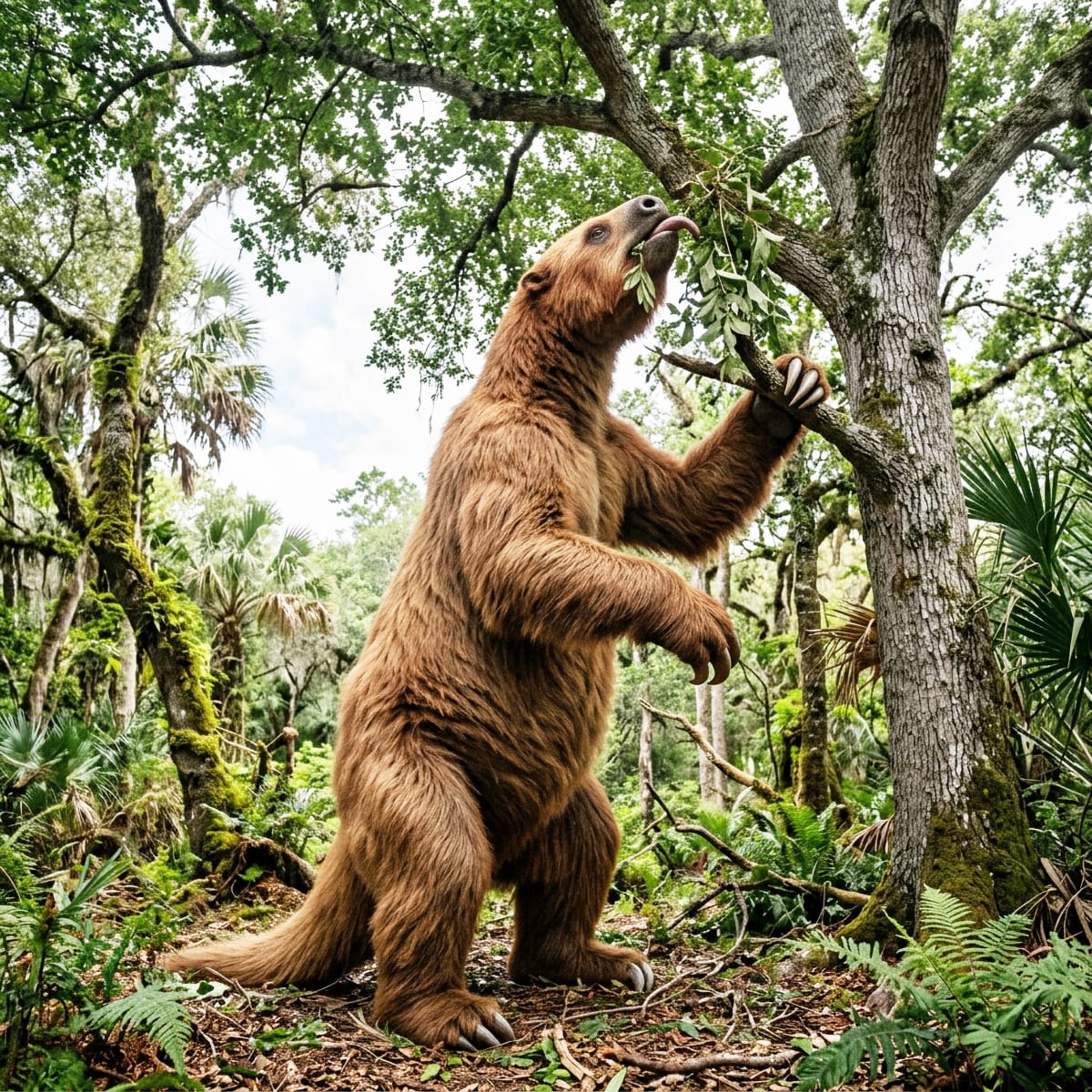
The collection reads like an Ice Age zoo. Scientists identified giant ground sloths, saber-tooth cats, camels, mastodons, and mammoths alongside the remains of animals completely new to the region.
The most exciting discoveries were a giant tortoise and a pampathere, a large armadillo relative from the genus Holmesina. These species had never been found in Central Texas despite decades of fossil hunting in area caves.
Why This Inspires
This discovery is changing how scientists understand Texas's ancient climate. Giant tortoises and pampatheres need warm temperatures to survive, while the mastodons and ground sloths preferred forests over grasslands.
Scientists now believe these animals lived during a warmer, wetter phase of the Ice Age called an interglacial period. Instead of the cold, dry grasslands usually associated with Ice Age Texas, parts of the region may have been covered in forests.
When researchers compared Bender's Cave to over 40 other Texas fossil sites, they found it matched locations from warmer climate periods rather than nearby Central Texas sites from the same era.
Dating the fossils precisely remains tricky because cave water and minerals can contaminate bones over time. But the types of animals found together paint a clear picture of a different Texas than scientists expected.
David Ledesma from St. Edward's University captured the excitement: "Some of the fossils that John has come across are species that we didn't think would occur in this part of Texas. That we're still learning new things and finding new things is quite exciting."
The research was only possible because the landowners granted scientists access to the cave on their private property. Moretti emphasized that partnerships between landowners, local cavers, and universities make natural science discoveries possible.
Even today, hidden corners of our planet are waiting to reveal stories we never knew existed.
Based on reporting by Google: fossil discovery
This story was written by BrightWire based on verified news reports.
Spread the positivity!
Share this good news with someone who needs it