Texas Cave Reveals 100,000-Year-Old Ice Age Fossils
Scientists exploring a previously unstudied Texas cave found fossils covering the stream floor, revealing an unexpected mix of Ice Age animals that rewrites what we know about the region's ancient climate. The discovery offers a rare glimpse into a warmer, more forested Texas from 100,000 years ago.
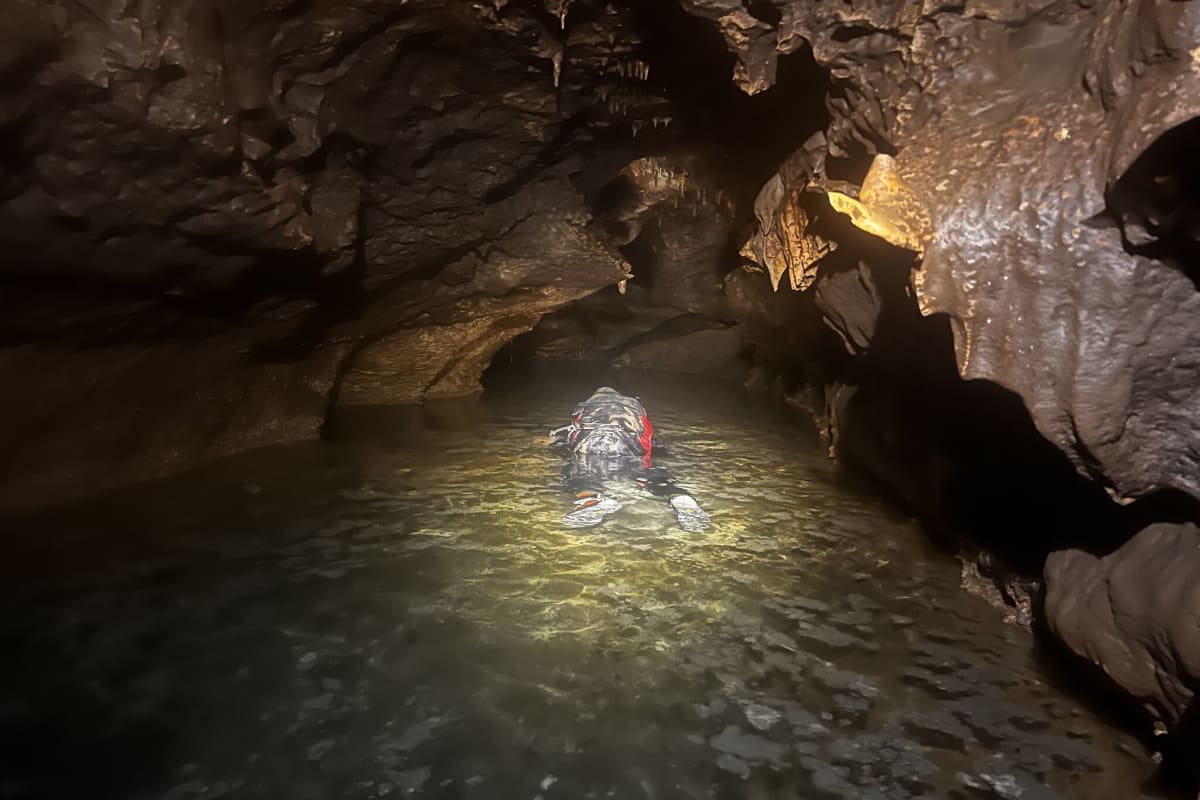
When paleontologist John Moretti slipped into the water at Bender's Cave in Central Texas, he wasn't prepared for what covered every inch of the stream floor. "There were fossils everywhere, just everywhere, in a way that I haven't seen in any other cave," he said.
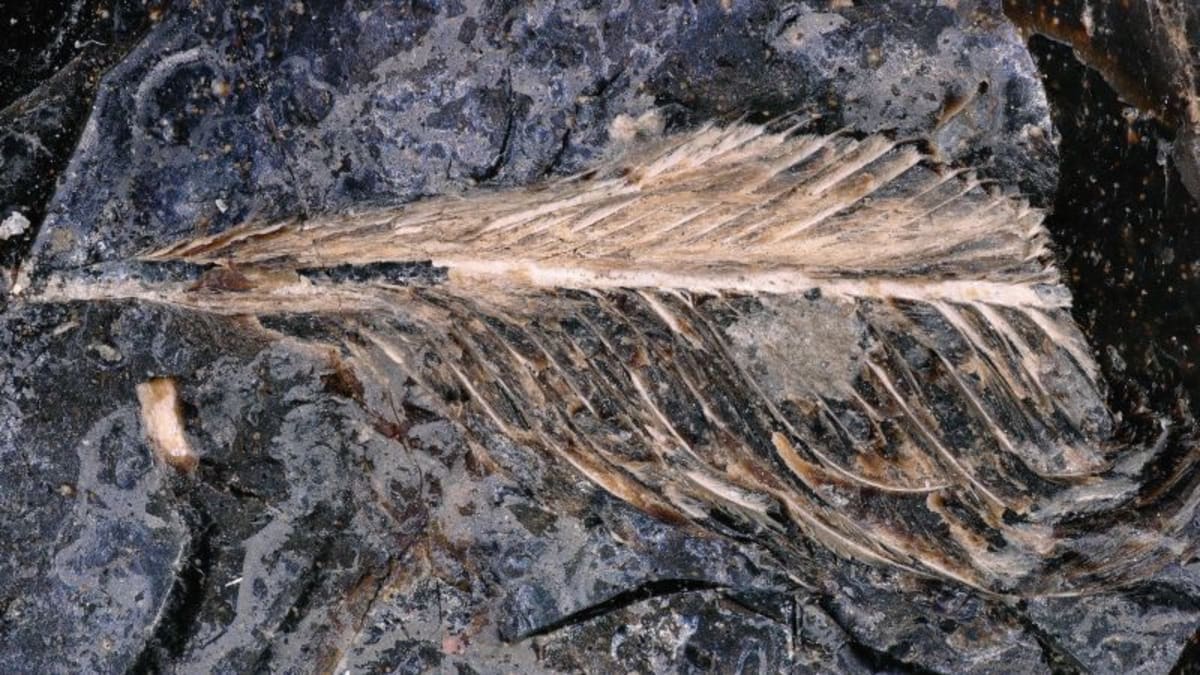
The University of Texas at Austin researcher discovered remains from giant tortoises, lion-sized armadillos, saber-toothed cats, camels, mastodons, and giant ground sloths. Shell fragments and armor plates littered the submerged passages, preserved for thousands of years after washing in through sinkholes during ancient floods.
The real surprise came when the team analyzed which animals lived together. Some species typically thrived in warm climates while others preferred forests, creating a puzzle that doesn't match what scientists previously knew about Ice Age Texas.
This unusual combination suggests the fossils date back roughly 100,000 years to the last interglacial period, a warmer stretch of the Ice Age. During that time, Central Texas likely featured forests and mild temperatures instead of the open grasslands that came later during colder periods.
The fossils themselves support this timeline. They're polished, rounded, and coated with the same reddish mineral layer, indicating they washed into the cave during the same flooding events and sat together undisturbed ever since.
When Moretti compared the Bender's Cave fossils with other Texas sites, another surprise emerged. They matched locations in North Texas and along the Gulf Coast known for interglacial periods rather than other Central Texas sites, suggesting this region's climate history is more complex than previously thought.
Why This Inspires
This discovery proves that even well-studied regions can still reveal secrets about our planet's past. "That we're still learning new things and finding new things is quite exciting," said David Ledesma, a St. Edward's University professor not involved in the study.
The research also highlights how collaboration makes scientific breakthroughs possible. Bender's Cave sits on private property, and the landowner's willingness to allow research opened this window into the past.
"It takes contributions from everyone, not just scientists at universities, to learn about the natural world we live in and depend on," Moretti said. The findings, published in the journal Quaternary Research, give us a clearer picture of how dramatically our environment has shifted over time.
Every fossil tells us something new about the resilient, ever-changing world we call home.
Based on reporting by Google News - Science
This story was written by BrightWire based on verified news reports.
Spread the positivity!
Share this good news with someone who needs it