Texas Cave Reveals 100,000-Year-Old Ice Age Secrets
A paleontologist snorkeling through an underground Texas stream discovered fossils never before found in Central Texas, opening a brand new window into life 100,000 years ago. The bones carpeted the cave floor like buried treasure waiting to be found.
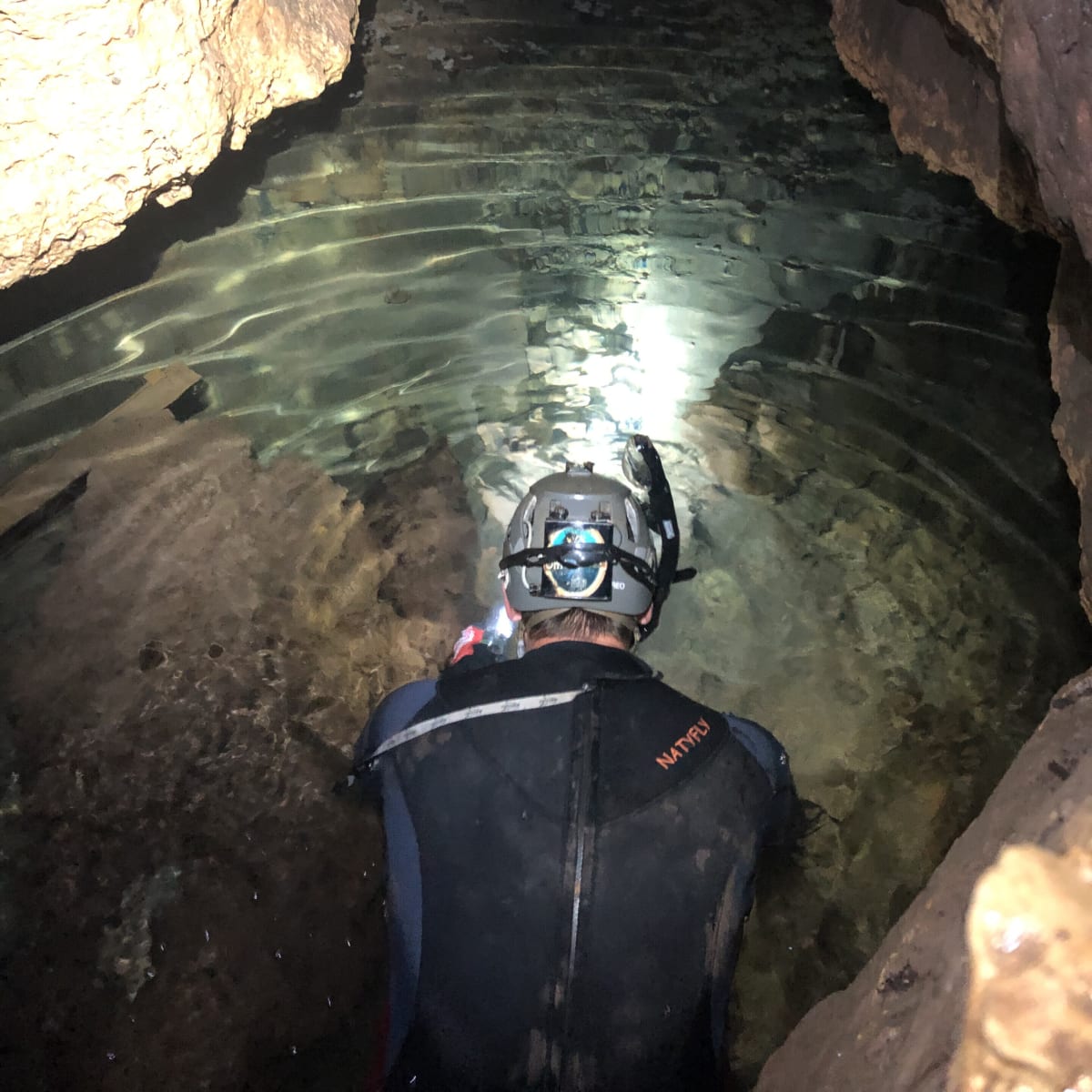
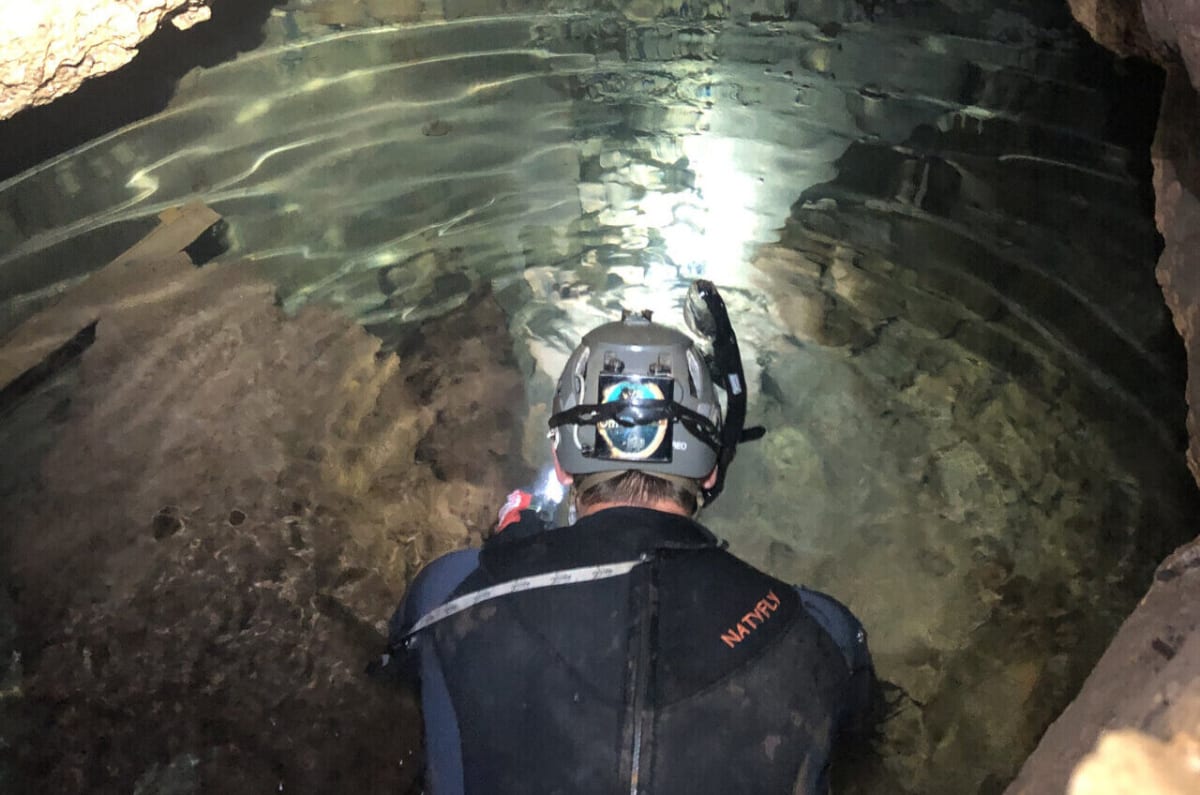
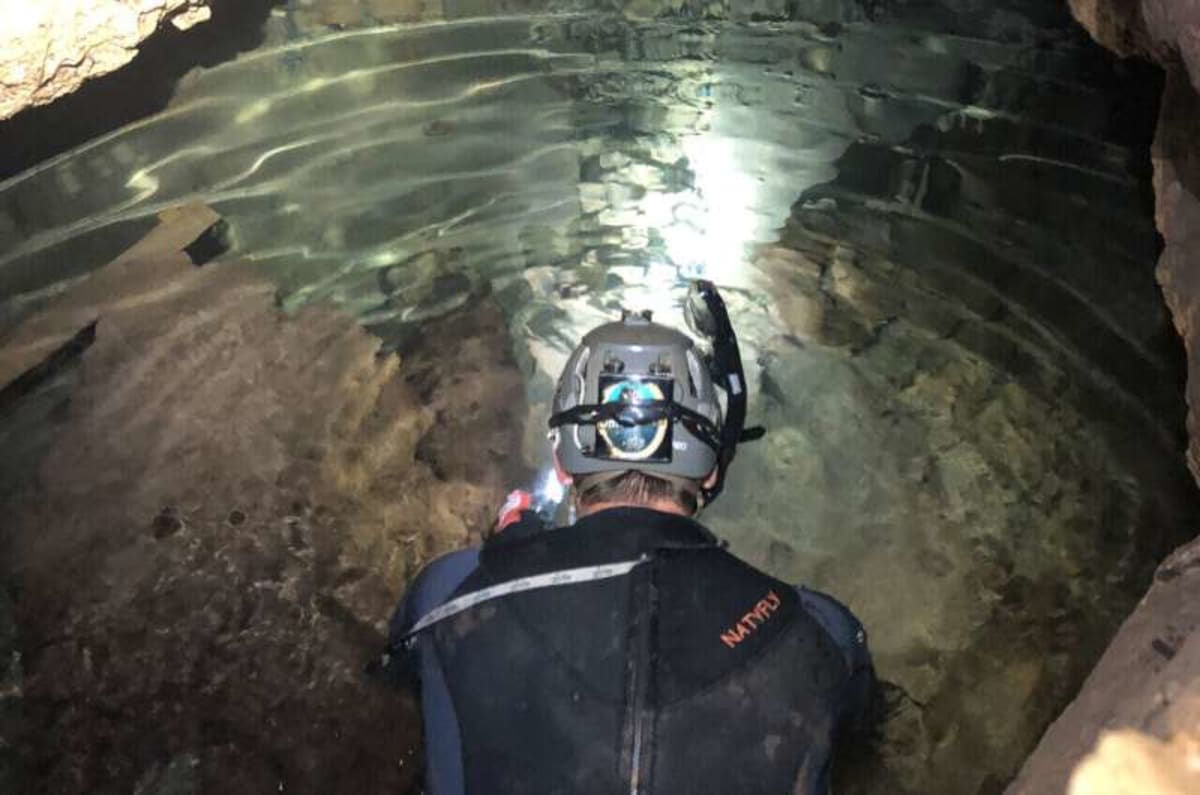
John Moretti wasn't expecting to make history when he dove into an underground stream with his snorkel and goggles. But the University of Texas paleontologist emerged with fossils that could rewrite what scientists know about Ice Age Central Texas.
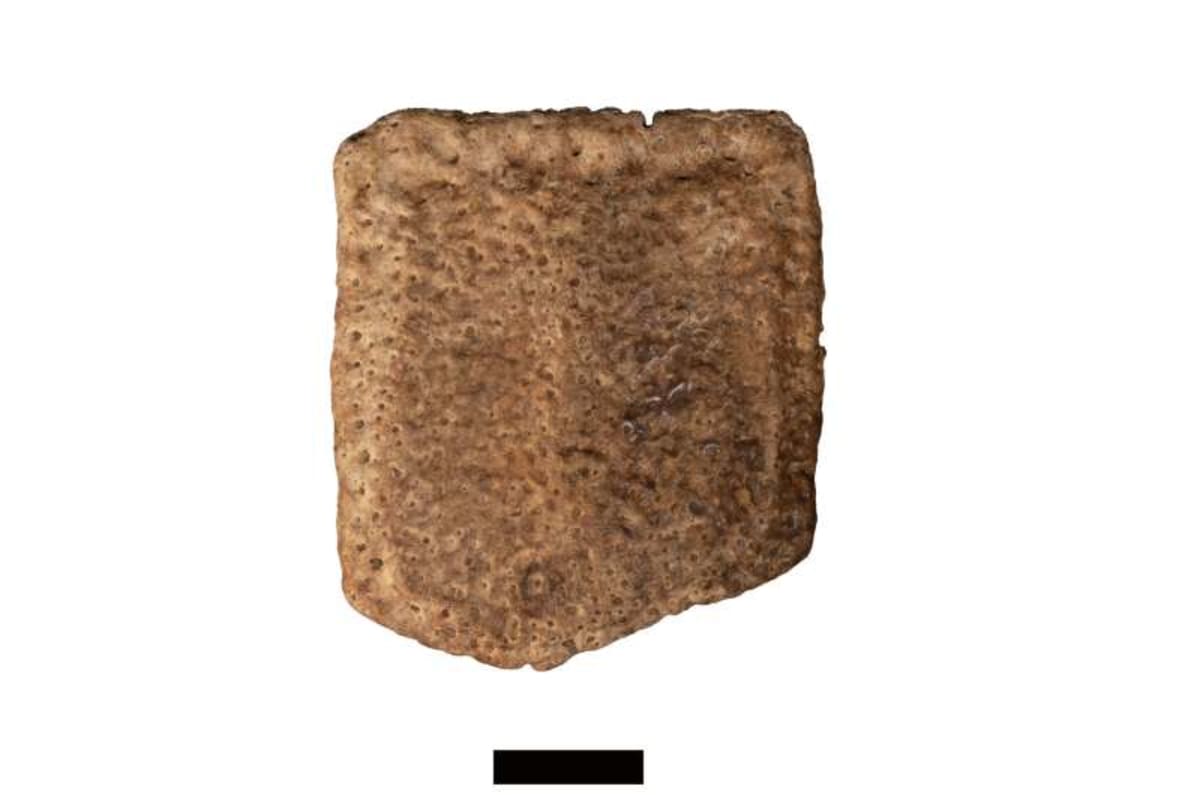
Bender's Cave in Comal County delivered something extraordinary: bones from giant tortoises and lion-sized armadillo relatives called pampatheres that have never been discovered in this region before. "There were fossils everywhere, just everywhere, in a way that I haven't seen in any other cave," said Moretti, who recently earned his doctorate from UT Austin's Jackson School of Geosciences.
The discovery gets even more exciting. These fossils might date back to the last interglacial period around 100,000 years ago, a warm spell during the Ice Age that has left no fossil record in Central Texas until now.
Water caves act as natural time capsules. Thousands of years ago, flooding and erosion swept animals through sinkholes into these underground streams, where their bones settled and stayed preserved. Moretti and local caver John Young made six trips between March 2023 and November 2024, collecting fossils from 21 different zones.
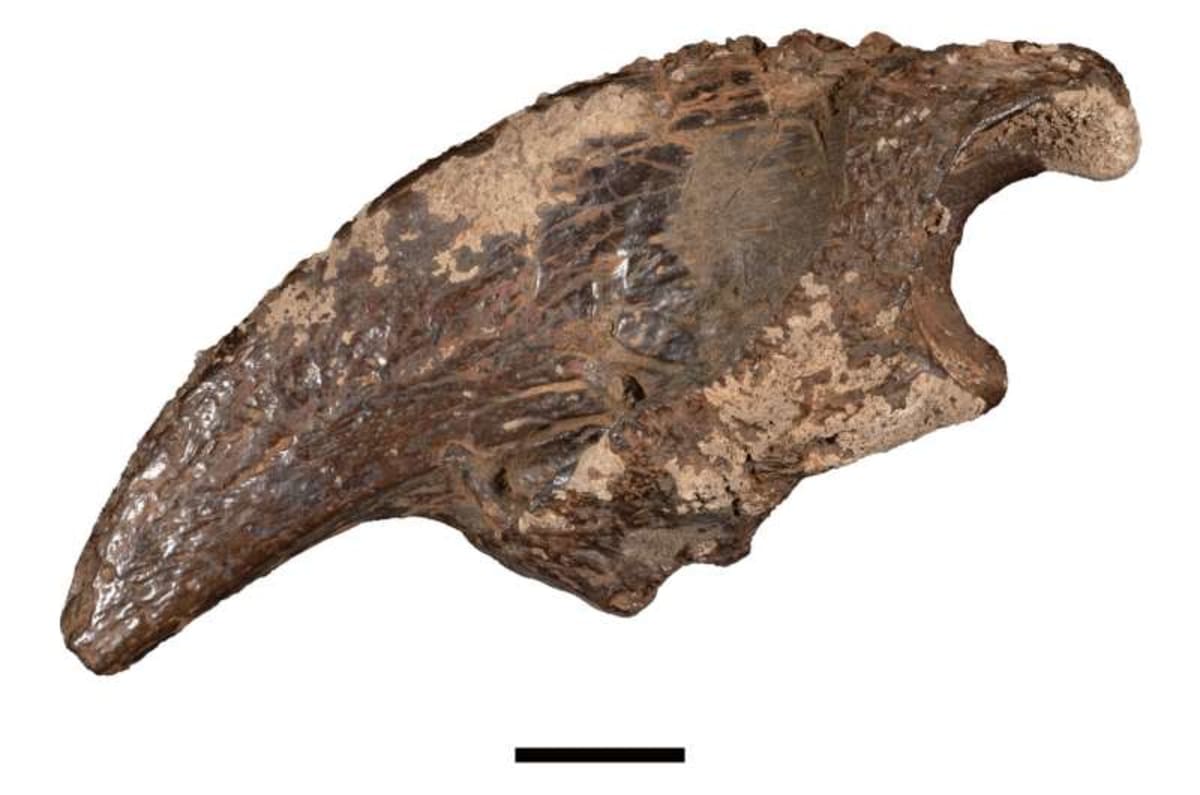
The variety astounded them. Giant ground sloth claws, saber-tooth cat bones, camel remains, and mastodon fossils covered the streambed just a few feet underwater. No excavation needed—Moretti simply picked them up while crawling along the bottom.
The fossils tell a climate story. The ground sloths and mastodons lived in forests, while giant tortoises and pampatheres needed warm temperatures to survive. During cold glacial periods, Central Texas was treeless grassland. These animals point to something warmer.
Why This Inspires
Despite nearly a century of paleontology research in Central Texas, Moretti's underwater expedition proved there are still secrets waiting in unexpected places. David Ledesma from St. Edwards University, who studies how small animals responded to Ice Age climate changes, celebrated the find: "Some of the fossils that John has come across are species that we didn't think would occur in this part of Texas."
The discovery reminds us that even well-explored regions can surprise us. Sometimes the biggest breakthroughs come from looking in places others haven't thought to search—like snorkeling through a dark cave with fossils scattered like pebbles on a beach.
This new window into the past could reshape understanding of how animals and ecosystems adapted to dramatic climate shifts 100,000 years ago.
More Images
Based on reporting by Google News - Science
This story was written by BrightWire based on verified news reports.
Spread the positivity!
Share this good news with someone who needs it