Texas Cave Reveals Ice Age Giants Never Seen in the Region
Snorkelers exploring an underwater cave in Central Texas discovered bones from lion-sized armadillos and giant tortoises that scientists didn't know lived there during the Ice Age. The find is rewriting what we know about ancient Texas.
A local cave explorer sent some photos to a paleontologist, not knowing he'd just sparked a scientific mystery that would challenge everything researchers thought they knew about Ice Age Texas.
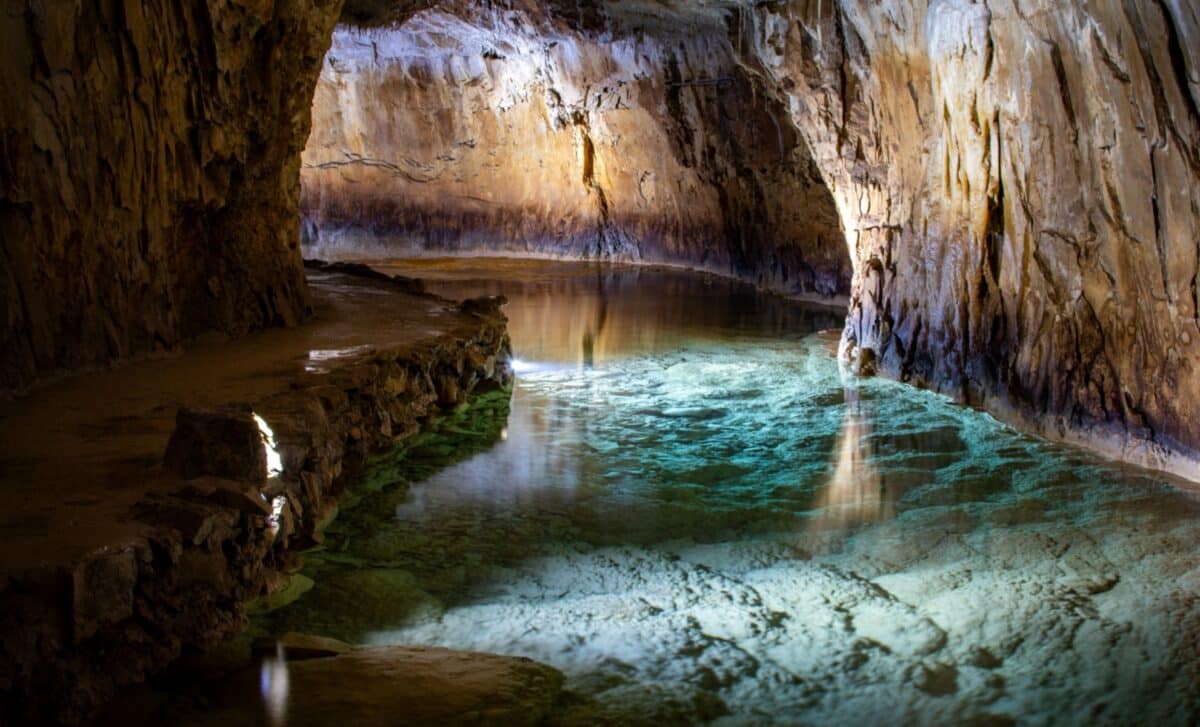
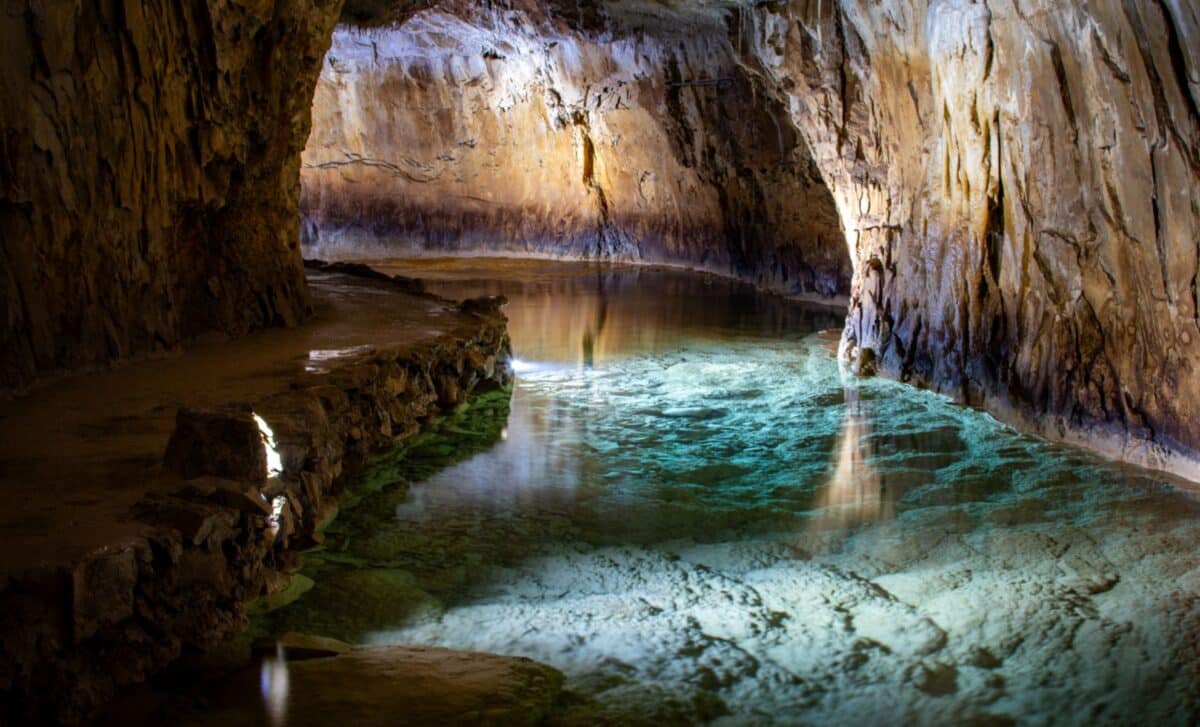
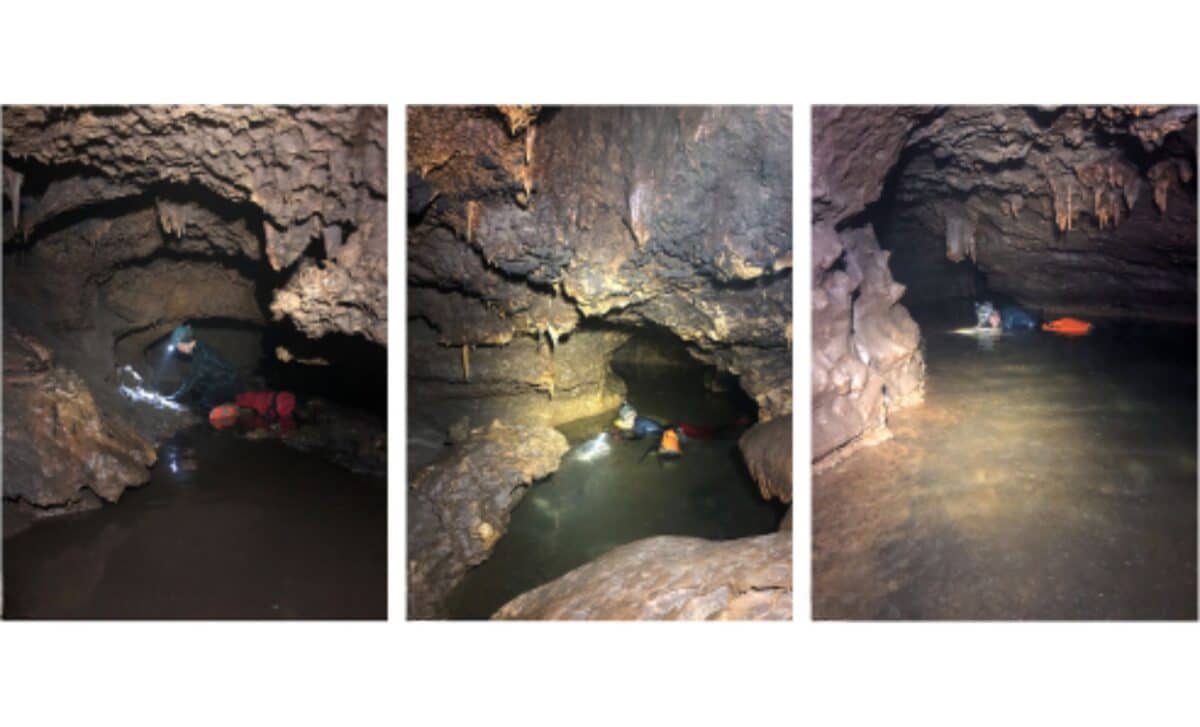
John Young was snorkeling through Bender's Cave in Comal County when he spotted bones scattered across the underwater streambed. He snapped a few photos and emailed them to John Moretti at the University of Texas at Austin, hoping for a quick identification.
What Moretti saw stopped him in his tracks. The cave floor was covered in ancient bones, more than he'd seen in any Texas cave before.
Between March 2023 and November 2024, Moretti and Young made six expeditions into the cave's narrow passages and pools. They collected fossils from 21 different zones along the active underground stream, finding familiar Ice Age residents like saber-toothed cats, mastodons, mammoths, and ground sloths.
But two discoveries didn't fit the picture at all. Shell fragments and bones from a giant tortoise and an armor plate from Holmesina septentrionalis, a pampathere the size of a lion, had never been found on the Edwards Plateau before.
These animals weren't supposed to be here. Giant tortoises need warm climates, and pampatheres thrived in warm, moist conditions. The Edwards Plateau during the last ice age was cool and dry, completely wrong for these tropical giants.
The bones themselves tell part of the story. They're polished smooth, stained dark, and coated in calcite from thousands of years underwater. Researchers believe ancient floods swept the remains through sinkholes into the cave, where they settled on the streambed.
The Bright Side
This discovery isn't just about finding new bones. It's opening a window into a lost world that scientists didn't know existed in Texas.
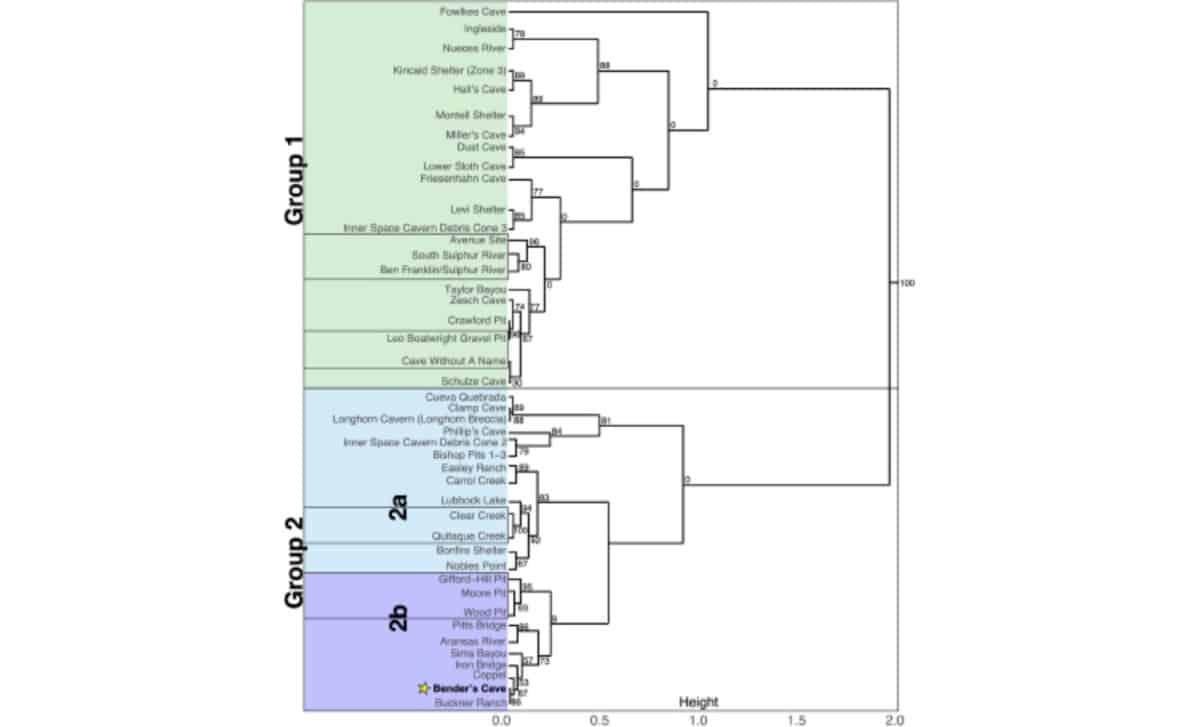
When researchers compared the cave's animal mix to 43 other Ice Age sites across Texas, it matched most closely with locations from a much warmer period called the last interglacial, before the Last Glacial Maximum. That warm interval would have turned parts of Texas into lush forests where giant tortoises could lumber through the undergrowth and lion-sized armadillos could forage.
The team couldn't get reliable dates from the bones yet due to the cave's mineral-rich water, but they're now working on uranium-thorium dating of the mineral formations coating the fossils. This could finally reveal when these unexpected giants roamed Central Texas.
David Ledesma, a professor not involved in the study, summed it up perfectly: species thought absent from the region were actually here, and nobody saw it coming.
The underwater cave that trapped these bones for thousands of years is now giving them back, one fossil at a time, teaching us that Texas's ancient past was far richer and stranger than anyone imagined.
More Images

Based on reporting by Google News - Science
This story was written by BrightWire based on verified news reports.
Spread the positivity!
Share this good news with someone who needs it