Texas College Spends $100K on 3D Organ-Printing Tech
A community college just invested six figures in bioprinting equipment that can create hearts and kidneys, giving students hands-on experience with technology usually reserved for elite research labs. The move could help solve the national organ shortage crisis while training the next generation of biotech innovators.
Students at Lone Star College-Montgomery in Texas are now printing human organs in their classroom, thanks to a $100,000 investment in cutting-edge bioprinting technology that most researchers only dream of accessing.
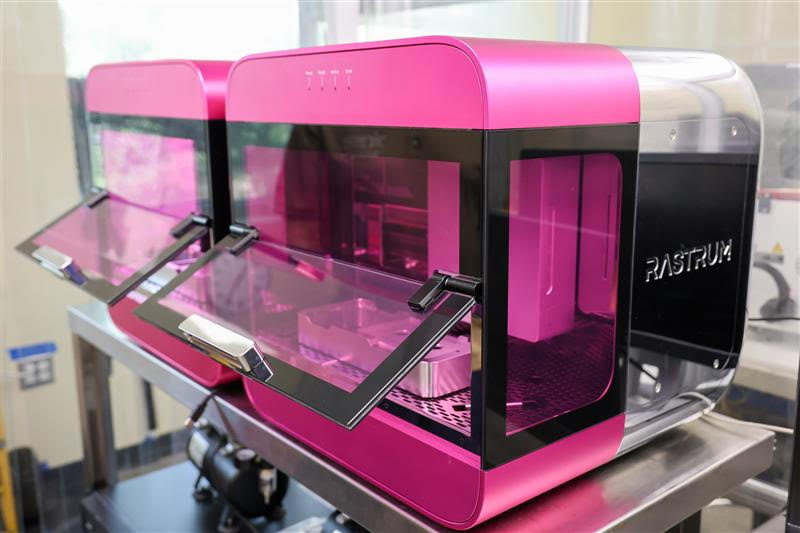
The biotechnology program recently installed two RASTRUM 3D bioprinters and a BioAssemblyBot, transforming a typical community college lab into a high-tech research facility. The BioAssemblyBot uses a six-axis robotic arm that mimics human hand movements to construct complex organs like hearts and kidneys layer by layer.
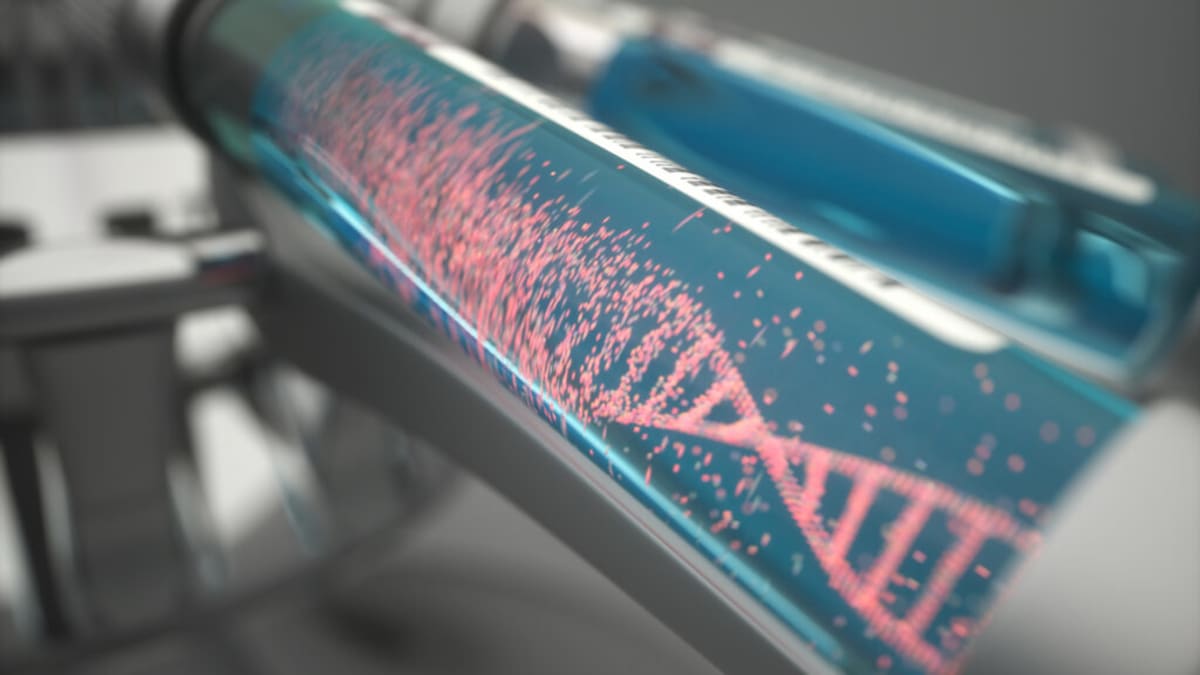
The RASTRUM system works like an advanced inkjet printer but creates living tissue instead of documents. It rapidly produces organoids, tiny clusters of living cells that researchers use to test thousands of drug treatments quickly, speeding up breakthroughs in personalized medicine.
Dr. Daniel Kainer, who directs the program, says this level of equipment access is almost unheard of in undergraduate education. Students don't just read about bioprinting in textbooks. They're actually using the same platforms as top research institutions, giving them real-world skills before they even graduate.
The hands-on experience means students can contribute to solving one of healthcare's biggest challenges: the severe shortage of transplantable organs. More than 100,000 Americans currently wait for organ transplants, and 17 people die each day waiting for a match.
The Ripple Effect
This investment extends far beyond one Texas campus. By training students on professional-grade bioprinting equipment, Lone Star College is building a pipeline of skilled workers ready to tackle regenerative medicine's toughest problems.
The program bridges the critical gap between laboratory discoveries and real medical treatments. Students learn to transform research breakthroughs into therapies that could actually save lives, whether through bio-printed transplant organs or personalized drug testing.
Community college students typically face barriers to accessing elite research opportunities. This program demolishes those barriers, proving that innovation doesn't require an Ivy League address.
The potential impact stretches nationwide as these trained students enter the biotech workforce. They'll carry expertise in technologies that could make organ waitlists obsolete and personalized medicine affordable.
A future where custom-printed organs and tailored therapies become routine healthcare is moving closer to reality, one community college student at a time.
Based on reporting by Google News - School Innovation
This story was written by BrightWire based on verified news reports.
Spread the positivity!
Share this good news with someone who needs it