Texas County Gets $236M Solar Farm and 2,000 Sheep
A Texas county with zero oil and gas revenue just landed its second massive solar farm, bringing millions in tax dollars, thousands of grazing sheep, and a blueprint for rural communities everywhere. The 201-megawatt project sits right next to its bigger sibling in Swisher County.
📺 Watch the full story above
Swisher County, Texas has something most Texas counties don't: no oil and gas income. Now it has something most counties would love: two giant solar farms bringing in over $100 million in tax revenue over the next four decades.
The latest addition is the Nazareth solar array, a 201-megawatt project backed by $236 million in financing. It's joining the already operational Hornet solar farm, a 600-megawatt powerhouse that cranked up just last year as one of the largest single-phase solar projects in America.
The numbers tell a story of transformation. In its first year alone, Hornet delivered more than $5 million in new tax revenue to the county. Over $2.6 million went to local schools, $1.3 million flowed through the county tax assessor, and hundreds of thousands more supported the hospital district and county services.
Developer Vesper Energy also contributed $31,000 to local nonprofits and first responders. One donation bought the volunteer fire department a trailer for their emergency vehicle, letting them haul equipment to remote rescue sites.
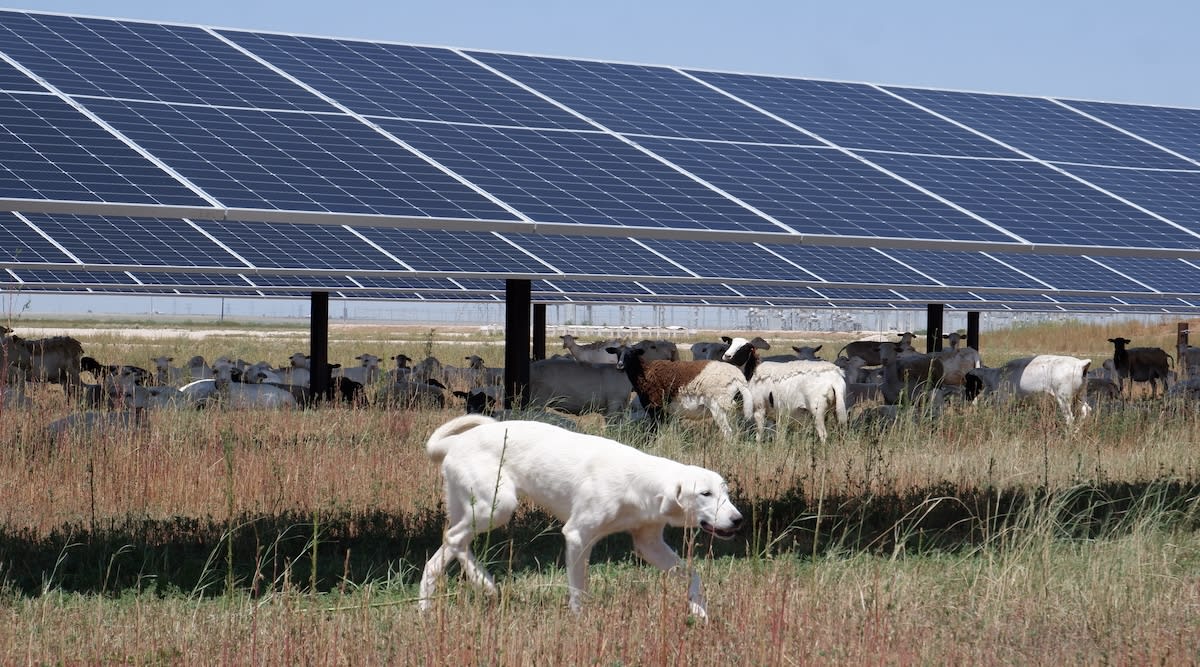
But here's where it gets really interesting: there are 2,000 sheep living among the solar panels at Hornet, managed by 11 sheep dogs. These aren't just for show.
The Ripple Effect
Solar grazing is solving multiple problems at once. The sheep control vegetation naturally, slashing maintenance costs and nearly eliminating diesel fuel use for mowing. For ranchers, especially young farmers struggling to access land, solar sites offer thousands of acres of new grazing opportunities.
Texas Solar Shepherds reports over 70,000 acres of solar farms under sheep management across Texas alone, with that number growing fast. Land access has become a major barrier for farming families trying to start ranching businesses, and solar grazing is opening doors.
The practice preserves farming heritage while supporting clean energy infrastructure. Ranchers build thriving businesses on land that generates both electricity and income for rural communities.
Even cattle ranchers are getting in on the action now. Engineers have designed racking systems tall enough and strong enough to accommodate cattle, creating even more grazing opportunities as the domestic cattle fleet continues shrinking.
Swisher County's flat terrain and supportive community made it attractive to solar developers looking for their next project site. While Texas battles red-state political rhetoric around renewable energy, it maintains its grip as the nation's wind power leader and runs neck-and-neck with California for the top solar spot.
The county is proving that rural communities without fossil fuel resources can thrive through renewable energy, creating a model other regions are watching closely.
When your neighbor is a 600-megawatt solar farm with thousands of sheep, the future looks surprisingly bright.
More Images
Based on reporting by CleanTechnica
This story was written by BrightWire based on verified news reports.
Spread the positivity!
Share this good news with someone who needs it