Texas Hospitals Boost Cancer Survival with New Technology
Hospitals in The Woodlands are revolutionizing cancer care with AI detection tools and one-day treatments that catch disease earlier and help patients heal faster. One survivor's story shows why these advances matter for young families facing unexpected diagnoses.
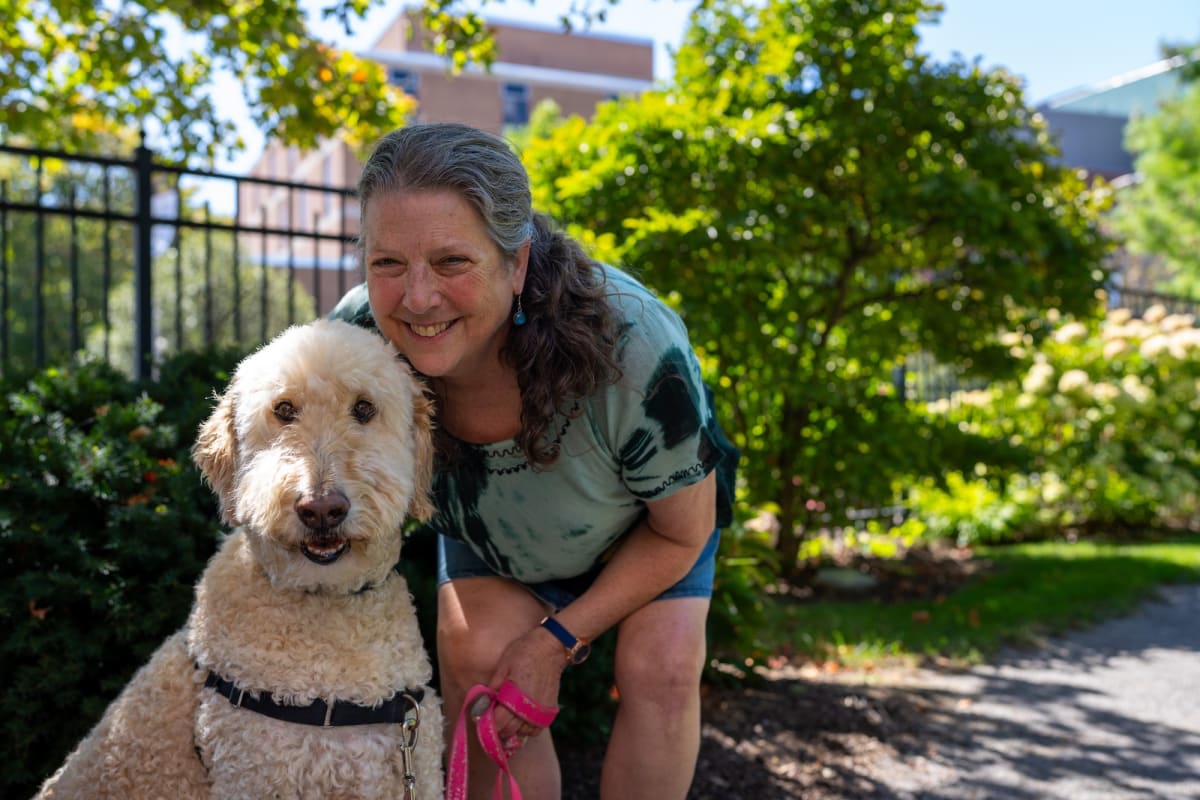
When Jodie Tonn was diagnosed with breast cancer at age 35 last June, she needed more than medical treatment. She needed hope that she'd be there for her young family.
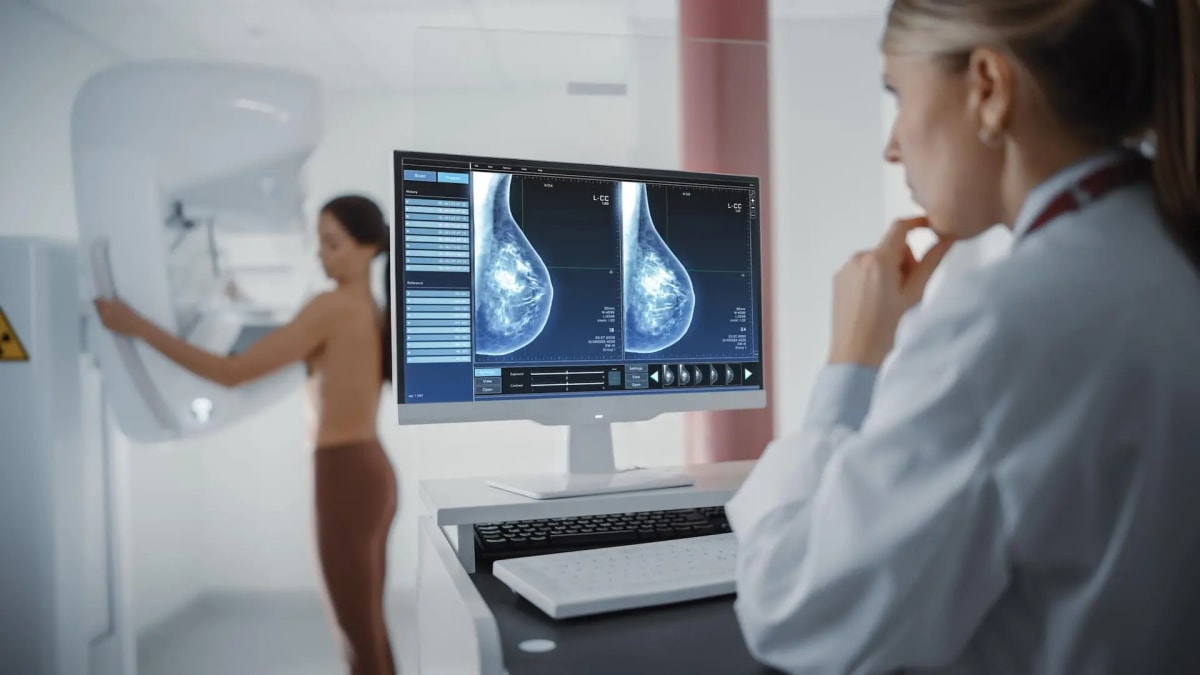
Today, hospitals across The Woodlands area are delivering that hope through breakthrough technologies that find cancer earlier and treat it faster. Memorial Hermann introduced a new histotripsy machine that uses targeted ultrasound to treat liver cancer without surgery. Houston Methodist now uses artificial intelligence to spot subtle abnormalities in scans that human eyes might miss during crucial early stages.
The pace of treatment is accelerating too. Dr. Pamela Schlembach at UT MD Anderson's Woodlands campus says some radiation treatments that once took weeks now finish in a single day.
These advances arrive as Texas faces rising cancer rates, with nearly 150,000 new cases projected in 2025. In Montgomery County, breast cancer rates exceed both state and Harris County averages, while liver cancer cases climb by two per 100,000 people annually.
The Ripple Effect
The impact reaches beyond hospital walls. Tonn started a support group in February at the Canopy Cancer Survivorship Center for survivors under 45, creating community for young women navigating cancer alongside careers and parenting.
Canopy itself celebrates 10 years this summer of offering free programs to cancer patients from any hospital. The center recently extended hours to 8 p.m. on Tuesdays and Wednesdays to meet growing demand from younger patients.
Transportation barriers no longer stop treatment either. The American Cancer Society and other local groups now provide rides to appointments, removing the top reason patients miss critical care.
Memorial Hermann is recruiting more oncologists specializing in stomach, pancreas, and liver cancers as these diagnoses rise. Houston Methodist added specialists in breast oncology, gastrointestinal oncology, and hematology, plus extra infusion nurses to handle patient growth.
Dr. Faraz Bishehsari of UTHealth Houston says the field is shifting toward precision medicine that considers not just which treatment to use, but how and when to deliver it for each unique patient.
For families like Tonn's, that personalized approach combined with community support transforms a frightening diagnosis into a journey they don't walk alone.
Based on reporting by Google News - Cancer Survivor
This story was written by BrightWire based on verified news reports.
Spread the positivity!
Share this good news with someone who needs it