Texas Hosts 10,000 Kids for Free Science Festival
The University of Texas is throwing a massive two-week science party with over 40 free events, including the nation's largest STEM Girl Day where 10,000 children will explore hands-on science activities. From citizen scientist training to neuroscience talks about social media's impact on our brains, this festival proves learning can be exciting for all ages.
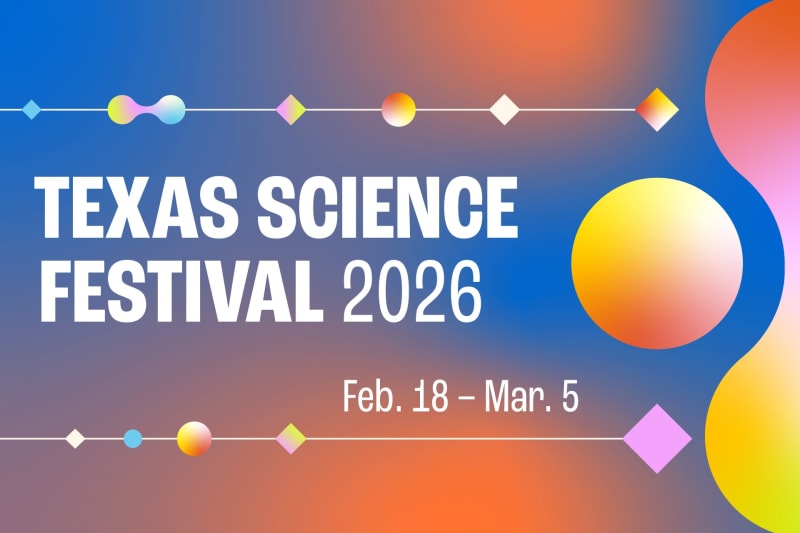
More than 10,000 elementary and middle school students will flood the University of Texas campus on February 28 for hands-on science experiments, robotics demos, and a glimpse into careers that could change the world. It's all part of the Texas Science Festival, a two-week celebration of discovery running February 18 through March 5 across Central Texas.
The festival's crown jewel is STEM Girl Day, now in its 25th year and the largest program of its kind in the United States. Young scientists will design balloon-powered cars, watch chemistry experiments come to life, and meet volunteers from 180 research groups and organizations. The goal is simple: show kids that science isn't just textbooks but a pathway to making real change.
The fun doesn't stop with kids. Science comedian and UT alum Brian Malow will host a talk show style event at the historic Cactus Café, tackling questions like how the search for alien life is progressing and why quantum physics bends our minds. For one special day, the normally closed Brackenridge Field Laboratory will open its 82-acre doors for tours, insect collection viewings, and training sessions where volunteers can become citizen scientists helping with real research.
Curious about what social media does to your brain? A neuroscience expert will break down the latest research on how our online lives reshape our thinking. Film lovers can catch screenings at multiple venues, including "Computer Chess," described as an artificially intelligent comedy that explores where creative ideas come from.
Even the art museums are getting in on the science. The Blanton Museum of Art will offer special tours examining its permanent collection through a STEM lens, while the Texas Science & Natural History Museum will showcase its brand new Epic Encounters Paleontology Gallery.
The Ripple Effect: Nearly all events are free and open to everyone, removing barriers that often keep families from educational experiences. By training citizen scientists and hosting hands-on activities, the festival transforms passive observers into active participants in the scientific process. When 10,000 children leave campus having built something, discovered something, or asked a question they never thought to ask before, that curiosity doesn't end at the festival gates.
"The Texas Science Festival brings community members together around one exciting idea: discovery," said David Vanden Bout, dean of the College of Natural Sciences. With partners across Central Texas, they've created programming that lets festival-goers of all ages follow their curiosity and find new wonder in the natural world.
Science isn't locked away in laboratories anymore; this February, it's coming home to Texas.
More Images


Based on reporting by Google: scientific discovery
This story was written by BrightWire based on verified news reports.
Spread the positivity!
Share this good news with someone who needs it