Texas Lab Hatches Chickens in 3D-Printed Artificial Eggs
A Dallas biotech company successfully hatched healthy chickens using 3D-printed artificial eggs, a breakthrough that could help save endangered birds. The innovation could eventually bring extinct species back to life.
Scientists in Texas just cracked one of nature's biggest challenges: growing baby birds without a natural egg.
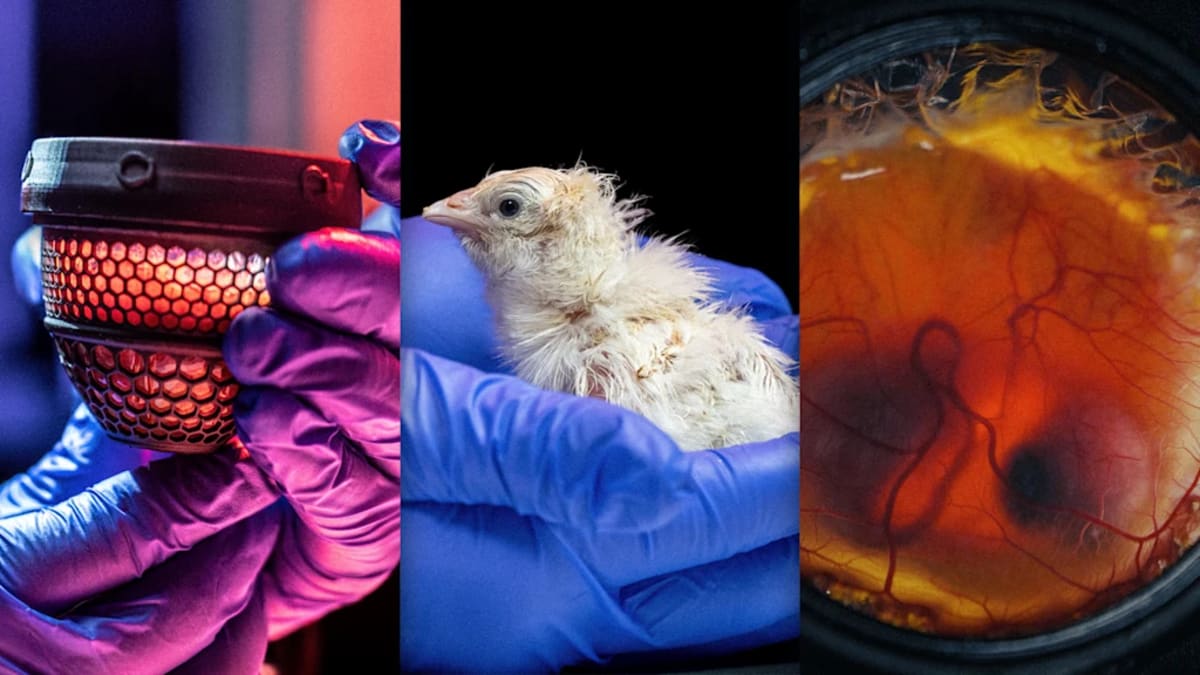
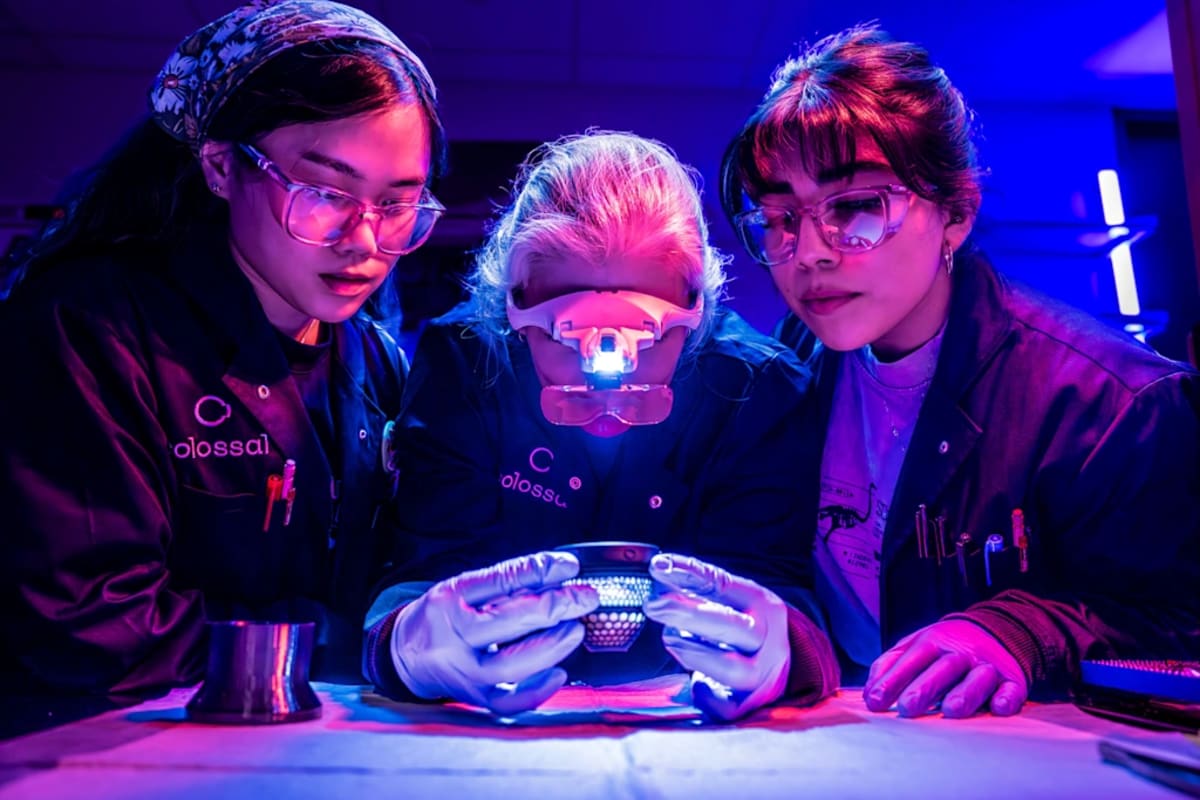
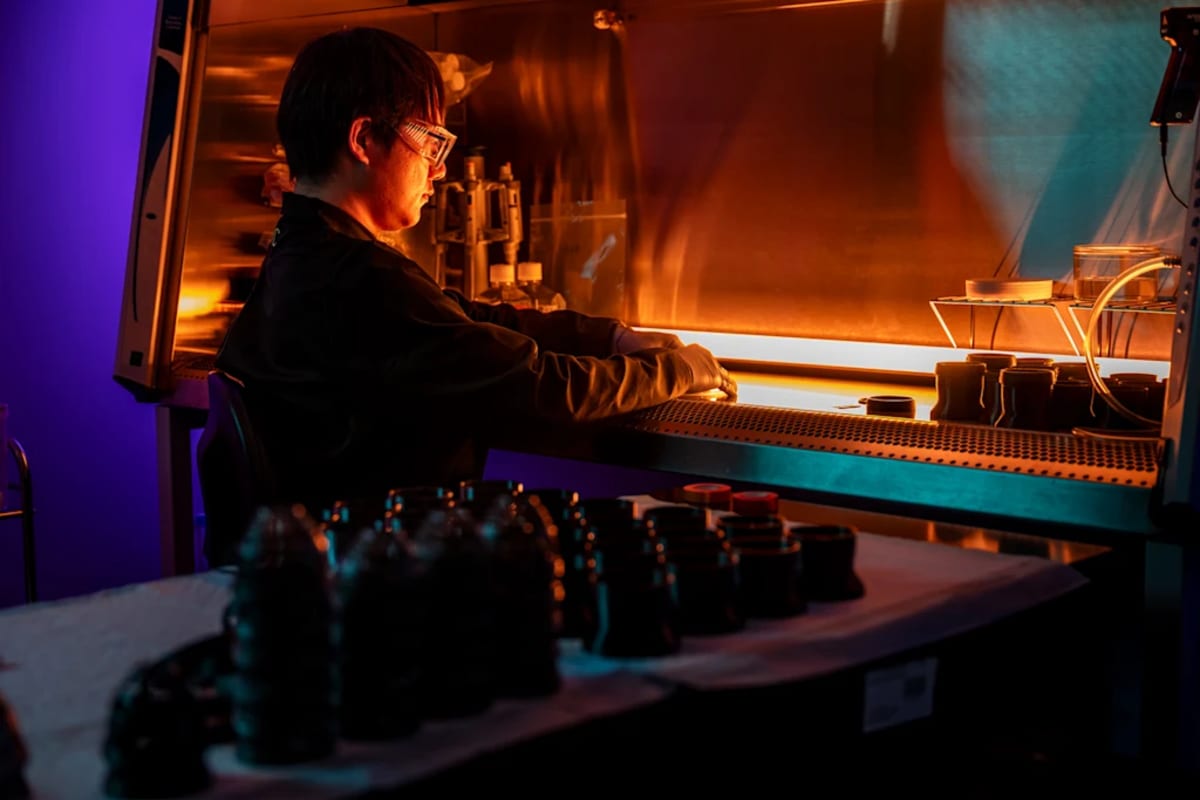
Colossal Biosciences, a Dallas-based company, successfully hatched ordinary chickens inside 3D-printed artificial eggs. Every chick that made it to term is now a healthy, thriving bird living near the lab.
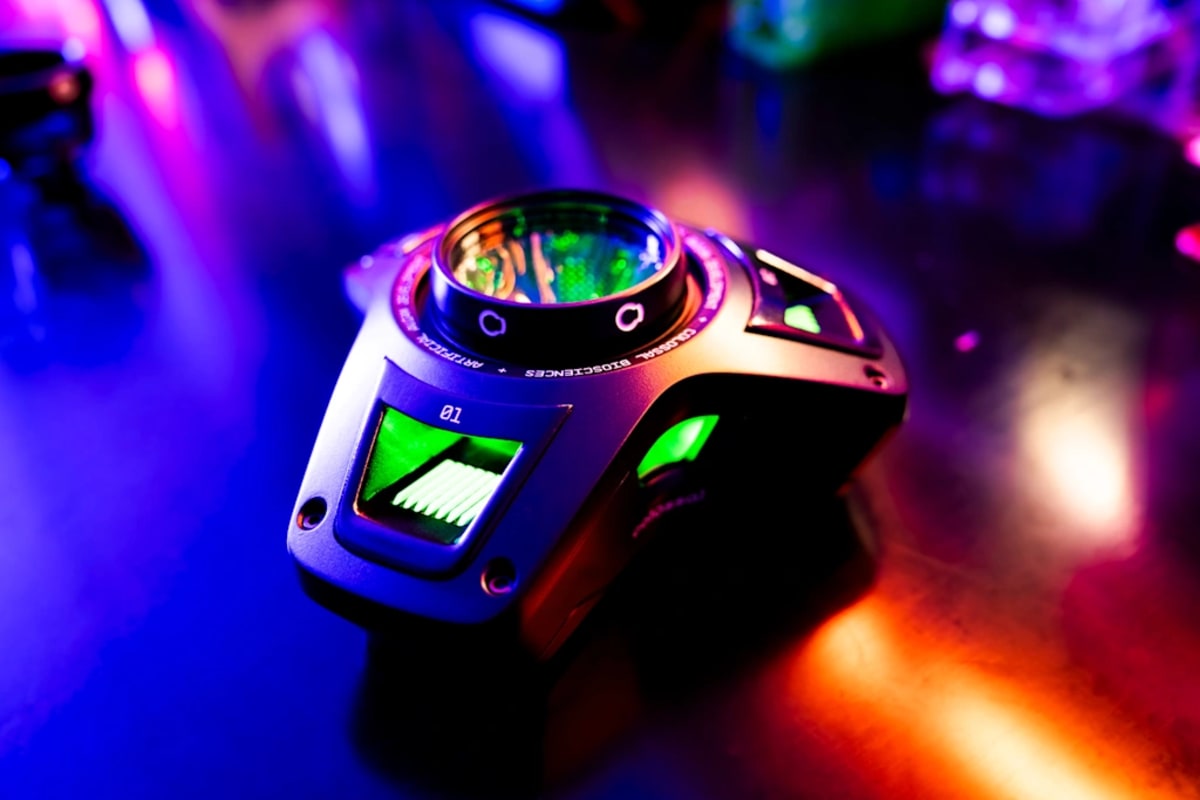
The breakthrough took nearly two years to develop. The team created a titanium lattice shaped like a partial egg, lined with a special membrane that holds the embryo and lets it breathe naturally.
Previous artificial egg systems dating back to the 1980s required constant oxygen flow and careful monitoring. That extra oxygen sometimes damaged the birds' DNA, creating problems for the hatchlings.
The new design works differently. It sits inside a regular incubator just like a natural egg, needing no special equipment or interventions.
The open-topped design gives researchers a window into the growing embryo. When the chick is ready to hatch, it pops through a thin membrane at the top, just like breaking through a regular shell.
The Ripple Effect
This technology could become a lifeline for endangered birds struggling to survive. Species with declining populations often face breeding challenges that artificial eggs could solve.
The company plans to use the system to bring back the South Island giant moa, a 12-foot-tall bird that disappeared in the 15th century. That will require building an artificial egg 80 times larger than a chicken egg.
Colossal's approach combines DNA sequencing from extinct animals with gene editing from living relatives. The artificial egg solves a major problem: no living bird is large enough to act as a surrogate for giant species.
The Dallas chickens prove the concept works. They're ordinary birds living ordinary lives, but their journey into the world was anything but ordinary.
This technology bridges the gap between conservation dreams and reality, offering hope for species that might otherwise vanish forever.
More Images

Based on reporting by Fast Company - Innovation
This story was written by BrightWire based on verified news reports.
Spread the positivity!
Share this good news with someone who needs it