Texas Plugs Massive Leak, Protects Church and School
When 1.5 million gallons of toxic wastewater erupted under a Texas church parking lot, state crews spent $2.65 million to stop the threat in just eight weeks. Now the incident is sparking important changes to protect communities across the Permian Basin.
A parking lot geyser threatened a small Texas town, but a rapid response turned potential disaster into a wake-up call for lasting change.
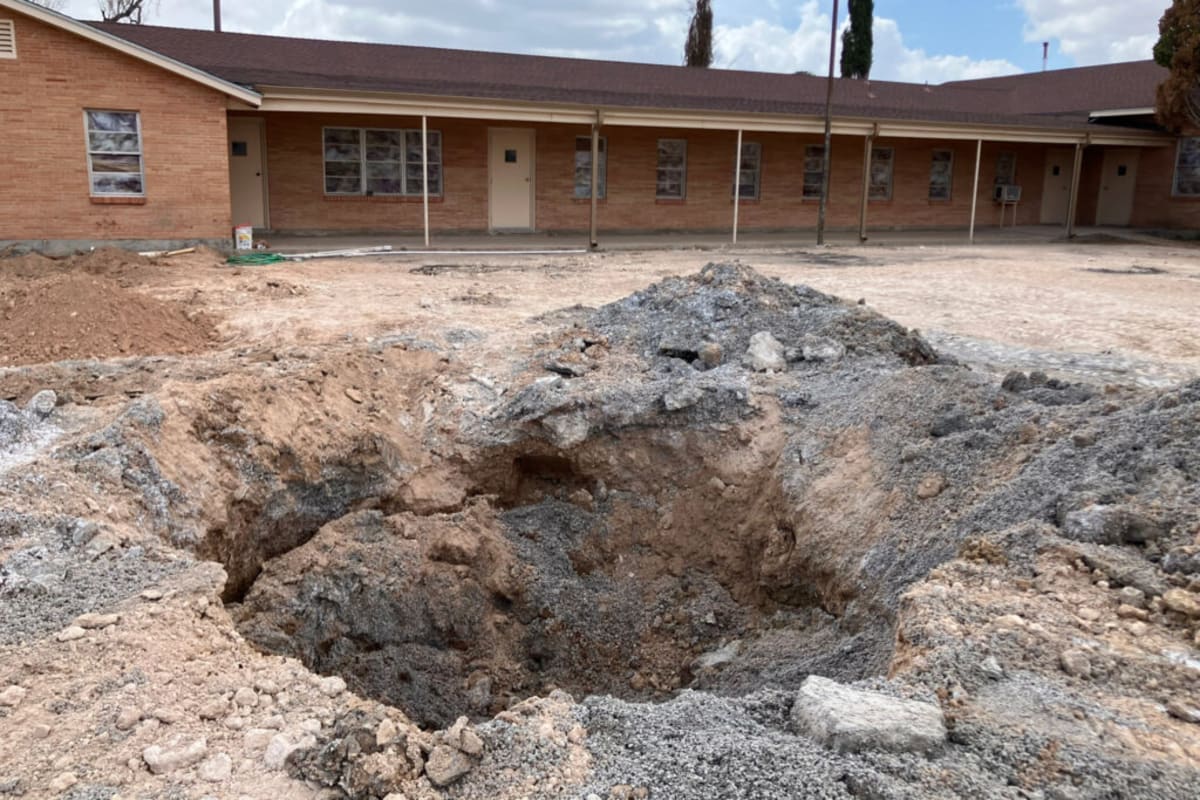
When toxic wastewater erupted from an old oil well beneath First Baptist Church in Grandfalls this April, it could have been catastrophic. The church sits across from a K-12 school on the town's main street, surrounded by homes and families.
Instead, the Railroad Commission jumped into action immediately. Over eight weeks, crews worked around the clock to contain 1.5 million gallons of wastewater, spending $1.49 million to plug the leak and another $1.16 million to safely dispose of the toxic liquid underground.
By early June, the flow had stopped completely. The church building stayed dry, and no one was hurt.
Pastor David Tucker watched the whole operation unfold from his front-row seat. As both the church's interim pastor and an oil and gas industry veteran, he understood exactly what was at stake.
"This was kind of a good thing because it brought attention to what's happening," Tucker said. The leak put a spotlight on an issue that's been bubbling up across West Texas for years.
The Permian Basin produces massive amounts of oilfield wastewater that gets pumped back underground. Increased pressure has caused old wells to burst, but most incidents happened on remote ranches far from town.
This was different. This was Main Street, USA.
Tucker praised the Railroad Commission's quick work but sees a bigger opportunity. "They're trying to do a good job. But they don't have the money to do it," he explained. The agency is already investigating the old well to prevent similar incidents.
The Bright Side
Sometimes it takes a close call to spark real change. The Grandfalls leak happened in the most visible place possible, right in the heart of a community where everyone could see it.
That visibility matters. The Railroad Commission immediately stopped all nearby injection wells within five miles while crews worked. They're now investigating how to prevent future incidents.
Tucker hopes his dual perspective as pastor and industry worker can help bridge the gap. He's been calling the Railroad Commission for years about leaks on his own property outside town, so he knows the system needs support.
The agency's State Managed Plugging program is now "focused on addressing the well in Grandfalls" according to spokesperson Bryce Dubee. More importantly, the incident demonstrated that when these leaks happen in populated areas, the response is swift and effective.
No families were displaced. The school never closed. The church kept its doors open throughout the crisis.
Tucker sees this as a turning point where attention can translate into resources. "The state needs to turn loose some more money to start funding this," he said, and now there's a concrete example showing exactly why that investment matters.
The parking lot still bears salty residue from the spill, a visible reminder that brought an invisible problem into the light where it can finally be solved.
Based on reporting by Inside Climate News
This story was written by BrightWire based on verified news reports.
Spread the positivity!
Share this good news with someone who needs it