Texas Shows How to Connect Clean Energy to the Grid Fast
While much of America struggles to connect new solar and wind farms to the electrical grid, Texas has cracked the code—adding more renewable energy and battery storage than any other region in the country. Experts say the Lone Star State's approach offers a roadmap for keeping the lights on during America's clean energy transition.
Texas is winning the race to connect clean energy to America's power grid, and the rest of the country is taking notes.
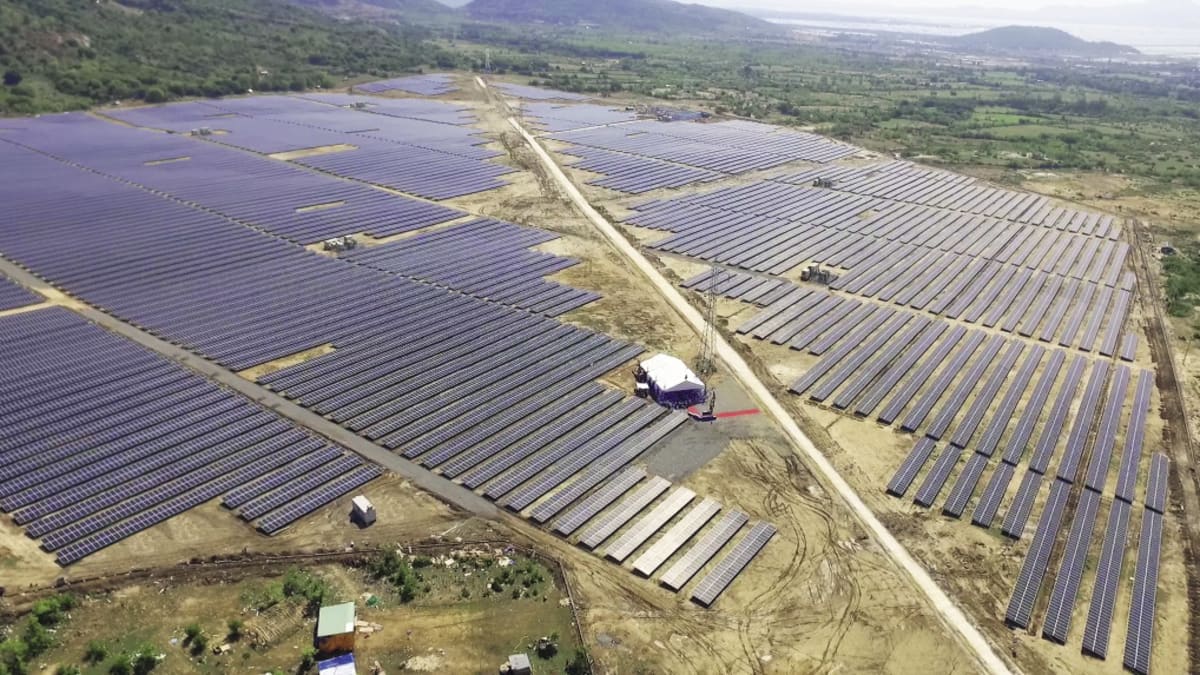
Despite its oil and gas reputation, Texas has added more wind, solar, and battery power to its electrical system than any other state. The success story comes as nine out of 15 U.S. grid regions face the risk of electricity demand outstripping supply by 2030, including areas serving New York and Pennsylvania.
The main challenge isn't generating clean electricity. It's connecting new power plants to the grid fast enough to meet surging demand from electric vehicles, heat pumps, and data centers.
"Even though it's Texas and the associated politics, there's a massive amount of wind, solar, and battery power getting connected there," said Rob Gramlich, president of Grid Strategies, a consulting firm specializing in clean energy integration.
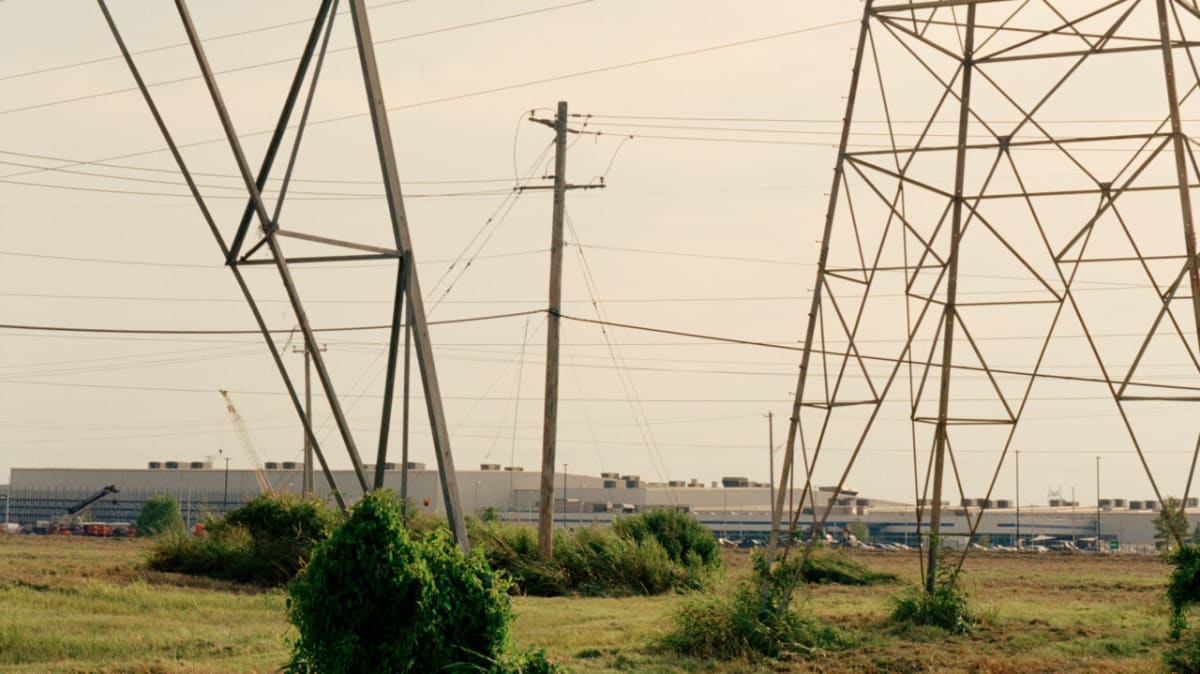
The problem elsewhere stems from an outdated system designed for an era of just a few large gas plants. Today, hundreds of solar and wind developers submit applications, overwhelming grid operators who must study how each project affects networks spanning 10 to 12 states.
Kevin Kircher, an assistant professor of mechanical engineering at Purdue University, says many power lines across the country are "really close to capacity" and "can't accommodate much more energy."
The process creates chaos. When new generators apply or existing projects drop out of the queue, it changes the analysis for everyone else. Projects can spend years in limbo waiting for approval.
Cost adds another barrier. If a developer wants to connect in a congested area requiring new transmission lines, they might have to pay for construction. A multimillion dollar solar project facing half a million in grid connection costs often can't move forward.
But the situation isn't hopeless. Regions learning from Texas's approach are finding ways to speed up connections and expand transmission capacity.
The Ripple Effect
Solving the grid connection problem unlocks benefits far beyond keeping the lights on. Faster renewable energy connections mean cleaner air in cities, more stable electricity prices for families, and thousands of construction jobs building transmission lines and solar farms.
Every new clean energy project that successfully connects reduces reliance on fossil fuels during peak demand periods. That means fewer blackouts during heat waves and cold snaps, when communities need reliable power most.
The transmission lines built today will serve America for decades, creating pathways for even more renewable energy as technology improves and costs continue falling.
Communities across the country are already seeing results. Rural areas hosting wind and solar projects gain tax revenue for schools and infrastructure, while urban centers hundreds of miles away enjoy cleaner electricity without the pollution.
The country is learning that the question isn't whether to rebuild the electrical system for a cleaner future—it's how quickly we can do it. Texas proves it's possible to move fast when the process works right, and that success is spreading.
Based on reporting by Google News - Clean Energy
This story was written by BrightWire based on verified news reports.
Spread the positivity!
Share this good news with someone who needs it