Texas Solar Farm Proves Smarter Design Cuts Costs, Waste
A massive solar project in Texas is showing how treating engineering like a team sport slashes waste and saves money. The lessons from this 1.6-gigawatt site could make clean energy cheaper for everyone.
Engineers building one of America's largest solar farms just proved that thinking ahead beats fixing problems later.
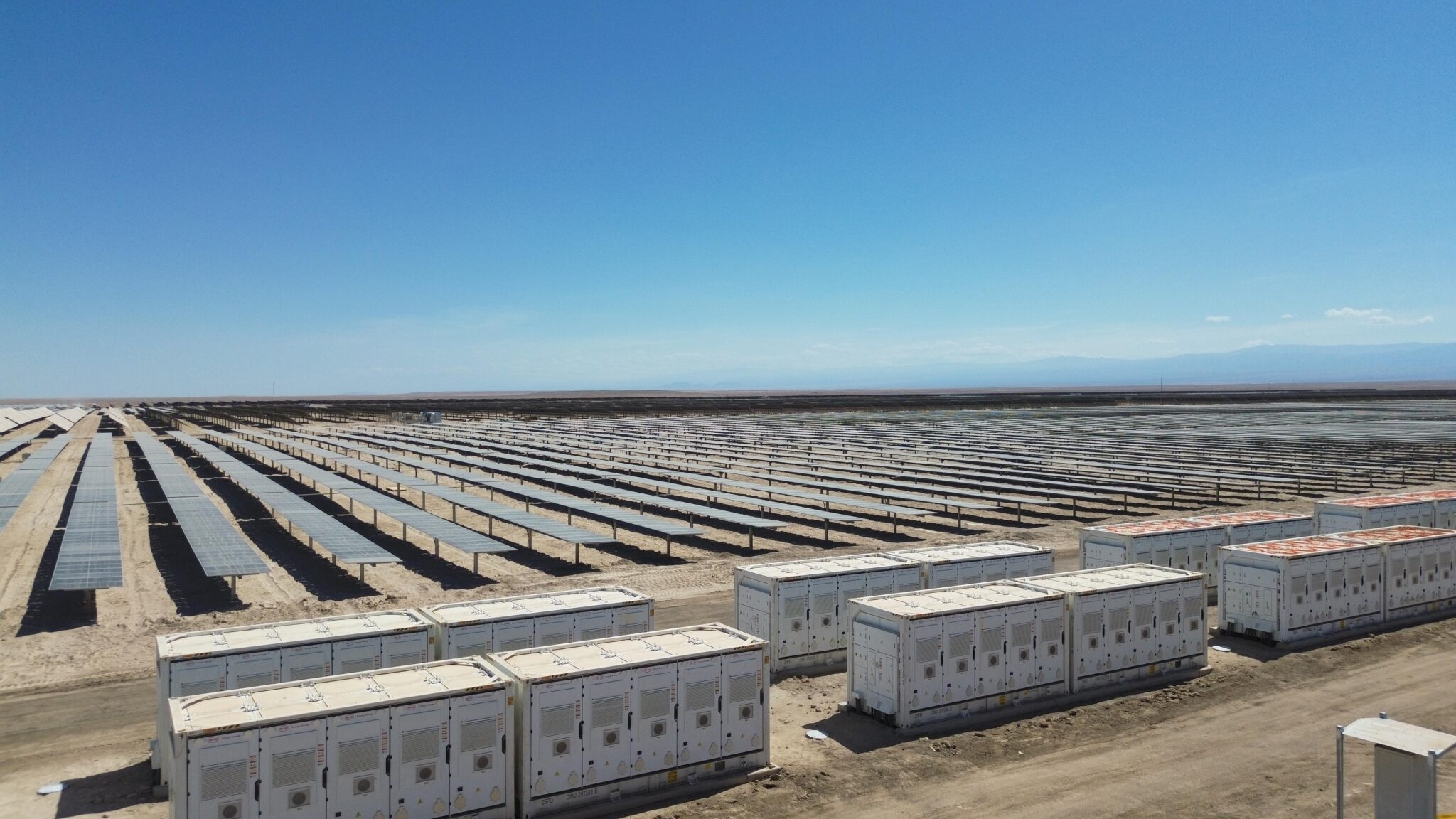
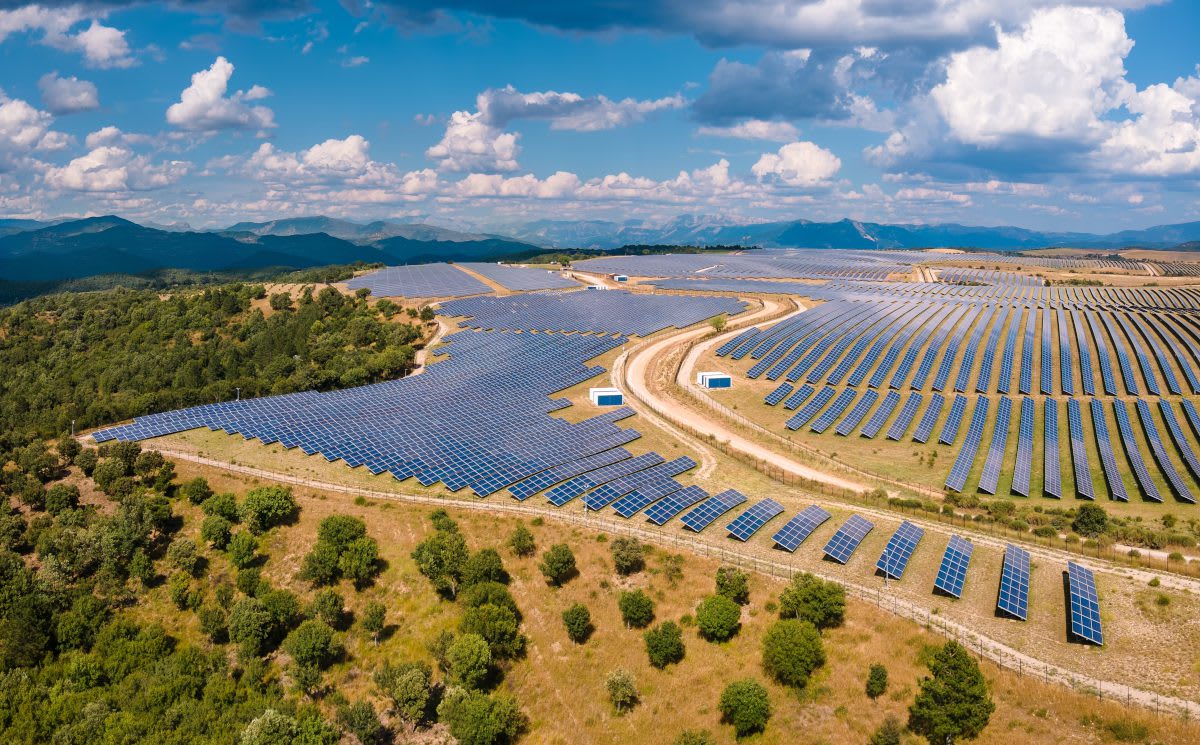
The CT Solar Platform in Snyder, Texas spans enough land to hold 1,200 football fields. Its first phase became a testing ground for smarter construction methods that reduced waste, cut costs, and sped up timelines.
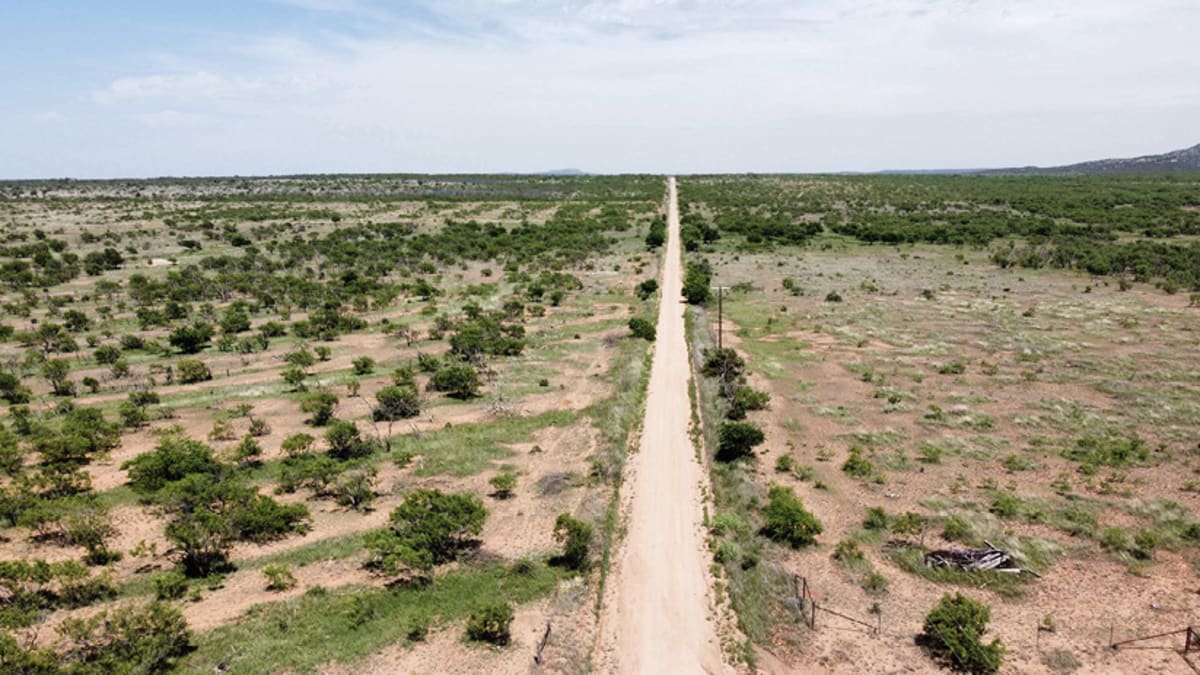
The biggest surprise? Terrain that looked simple turned out to be surprisingly complex. Those gentle Texas slopes hid natural drainage patterns and soil changes that would have caused flooding and erosion if ignored.
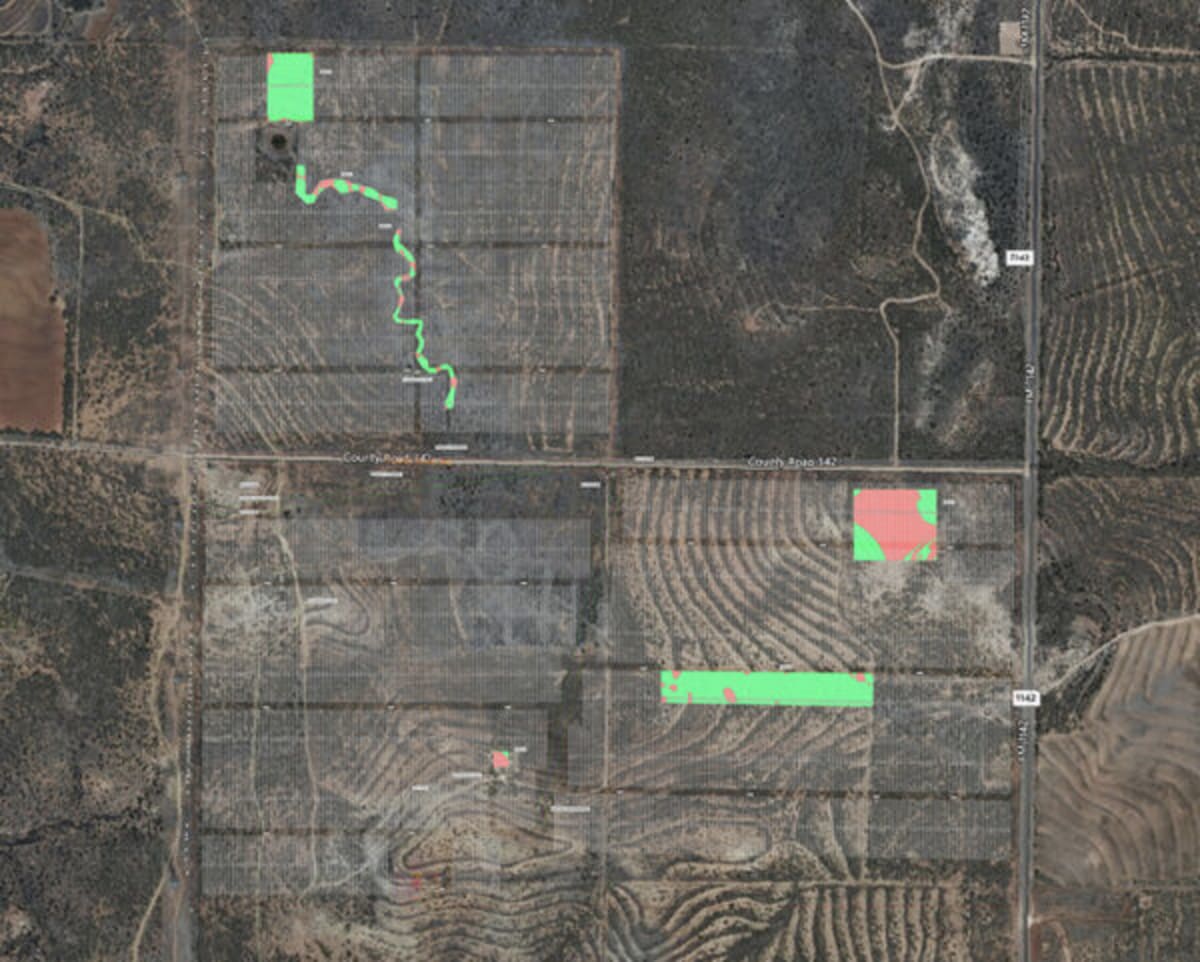
The team flipped the usual approach. Instead of installing solar trackers first and dealing with water flow later, they mapped where rain would go during storms. Then they designed the tracker layout around nature's drainage system, not against it.
That decision alone saved hundreds of thousands of cubic meters of soil from being moved. Less earthmoving meant lower costs, faster construction, and less environmental disruption.
Rock layers hiding underground posed another challenge. On smaller solar sites, hitting rock while driving foundation piles is a minor headache. On a site this massive, surprise rock pockets could derail schedules and budgets.
The solution was modeling where rock would likely appear before construction started. Engineers planned different foundation types for different zones, eliminating costly surprises when workers arrived with equipment.
Even road design became critical. On a project taking years to build, access routes aren't just paths but the circulatory system for moving steel, inverters, and heavy equipment. Planning these routes early made cable installation cheaper and construction safer.
The Ripple Effect
The project proved that when engineering and purchasing teams collaborate from day one, everyone wins. By routing underground cables along natural drainage paths instead of cutting across slopes, the team shortened cable runs and simplified restoration after trenching.
Federal incentives for American-made equipment added another layer of complexity. The team chose four US manufacturers for critical components, including Texas-made solar trackers with 100% domestic metallic parts. What initially looked more expensive became cost-effective when long-term financing and tax credits entered the equation.
These weren't theoretical exercises. Every modeling decision translated to real money saved, real time gained, and real carbon emissions avoided in manufacturing and transport.
Fernando Queiroz, CEO of Levona Renewables, emphasized that treating design as an integrated discipline rather than separate departments made the difference. Engineering decisions touched everything from soil data to risk management to procurement strategy.
The Texas project demonstrates that solar farms work best when designers respect the land they're built on. Following natural contours instead of fighting them produces better results for budgets, timelines, and the environment.
As America builds more renewable energy infrastructure, these lessons matter beyond one Texas town. Smarter design multiplies across hundreds of future projects, making clean energy more affordable and accessible for millions.
More Images

Based on reporting by PV Magazine
This story was written by BrightWire based on verified news reports.
Spread the positivity!
Share this good news with someone who needs it