Texas State Studies How to Support Flood Volunteers
After devastating 2025 floods killed 130 people in Central Texas, researchers are studying how disaster volunteers cope with emotional stress. The goal: develop practical ways to protect the mental health of people who step up during crises.
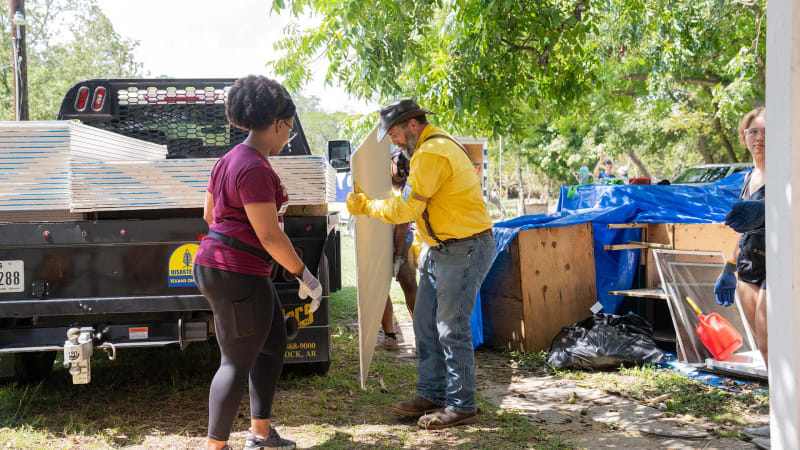
When the Guadalupe River flooded in July 2025, volunteers rushed to help with search and rescue, family reunification, and recovery efforts across four Texas counties. Now researchers want to make sure those helpers get the support they need.
Texas State University's Translational Health Research Center received national grant funding to study how disaster recovery work affects volunteer mental health. The project focuses on the Central Texas flooding that killed more than 130 people and destroyed homes across Kerr, Travis, Burnett, and Williamson Counties.
"Volunteers are essential to disaster recovery, especially in rural and disaster prone areas," said Dr. Elizabeth Ekren, the study's lead researcher. "Their work can be emotionally demanding, but it can also foster deep, local connection and personal growth."
The research team will interview volunteers from established organizations and volunteer fire departments who participated in frontline disaster response. They'll explore how volunteers make meaning of their difficult work, handle emotional challenges, and build resilience over time.
This matters because volunteers play a critical role in saving lives during disasters, yet little research examines the emotional toll on people who step forward during crises. Understanding their experiences could transform how communities prepare for and respond to future emergencies.
Why This Inspires
The project brings together researchers from Texas State's School of Social Work and the University of Texas San Antonio School of Nursing. They're partnering with Texas Search and Rescue (TEXSAR) and Hill Country Mental Health and Developmental Disabilities Centers to keep the research grounded in real community needs.
The findings will inform practical strategies that disaster response organizations can use to better support volunteers before, during, and after they serve. That means future volunteers might have better tools to protect their own wellbeing while helping others through devastating events.
"Research is key to preparing for the future," said Justin McInnis, president and CEO of TEXSAR. "Efforts like those led by THRC help inform the future of emergency response."
By listening to volunteers and learning from their experiences, this research could strengthen disaster preparedness across Texas and beyond while honoring the people who give so much to help their communities heal.
More Images

Based on reporting by Google: volunteers help
This story was written by BrightWire based on verified news reports.
Spread the positivity!
Share this good news with someone who needs it